
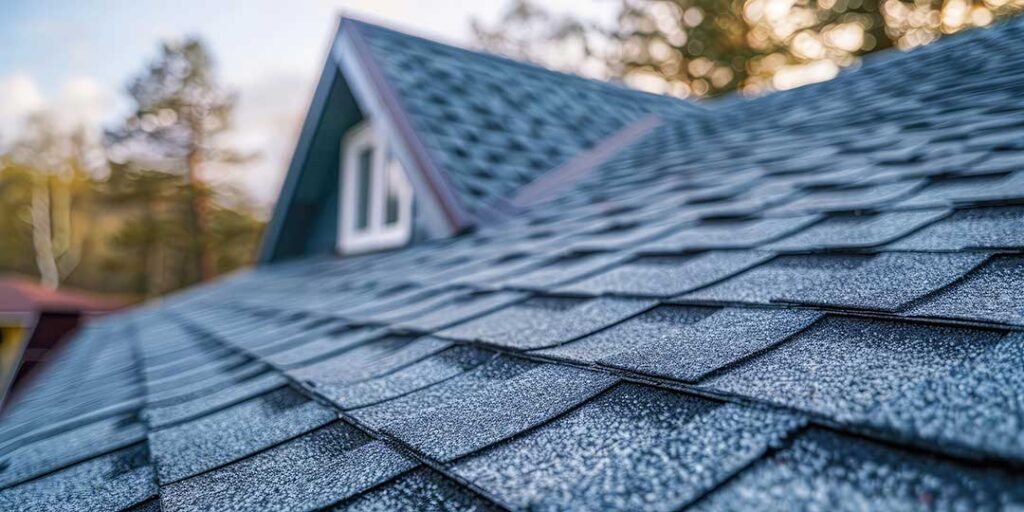
For homeowners in Ithaca, NY, a roof’s color is only part of the story. Cool roof ratings provide a more precise way to understand how much sunlight a roofing material reflects and how efficiently it releases absorbed heat.
These ratings can help residents compare roofing materials, but they should be considered alongside insulation, ventilation, roof slope, durability, snow conditions, and the way a home is heated and cooled.
What makes a roof “cool”?
A cool roof is designed to stay cooler in direct sunlight than a conventional roof with similar construction. It does this mainly through two surface properties:
- Solar reflectance: The percentage of sunlight reflected away from the roof.
- Thermal emittance: The ability of the roof surface to release absorbed heat as infrared radiation.
Both properties are generally expressed on a scale from 0 to 1. A higher solar reflectance means less sunlight is absorbed. A higher thermal emittance means the surface can release heat more effectively.
A roof with high values for both properties will usually remain cooler during sunny weather. Light-colored materials often perform well, but color alone does not determine performance. Some darker roofing materials use reflective pigments that improve their solar reflectance.
What is the Solar Reflectance Index?
The Solar Reflectance Index, commonly called SRI, combines solar reflectance and thermal emittance into one comparative number. It estimates how hot a surface becomes in sunlight compared with standard black and white reference surfaces.
A higher SRI generally indicates a cooler surface under the test conditions. However, SRI should not replace the individual reflectance and emittance values. Two products may have similar SRI values while achieving them through different combinations of reflectance and emittance.
For example, one material might reflect a great deal of sunlight but release heat less efficiently. Another might reflect somewhat less sunlight but have very high thermal emittance. Looking at all available ratings gives a clearer picture than relying on a single number.
Where can homeowners find these ratings?
Roofing products may have a label or listing showing their radiative properties. The Cool Roof Rating Council rating system is commonly used for reporting solar reflectance, thermal emittance, and related aged performance information.
When reviewing a product, look for:
- Initial solar reflectance
- Aged solar reflectance, when available
- Thermal emittance
- Solar Reflectance Index
- The product type and installation method
- Whether the rating applies to the exact color and profile being considered
A rating applies to a specific product configuration. It should not automatically be assumed that every color, shingle style, coating, or membrane from the same manufacturer has identical performance.
Why does aged performance matter?
New roofing materials are typically cleaner and more reflective than materials that have spent years outdoors. Dust, pollen, biological growth, weathering, and surface changes can reduce solar reflectance over time.
For that reason, aged ratings can be more useful than initial ratings when comparing long-term performance. A material that starts with a very high reflectance but loses much of it may not perform like a product with slightly lower initial reflectance that remains more stable.
This does not mean a roof must be washed frequently or treated as an energy device. It means that long-term exposure should be considered when interpreting the numbers.
Are cool roofs useful in Ithaca?
Cool roofs can reduce solar heat gain during sunny summer weather, but the benefit depends heavily on the building. The effect is usually more noticeable in homes with air conditioning, low insulation levels, large roof areas, or rooms directly below the roof.
The local climate also requires a broader perspective. Ithaca experiences cold winters, snow, freeze-thaw cycles, and a substantial heating season. A roof that reflects sunlight may reduce summer heat entering the attic, but it will not replace proper insulation, air sealing, or attic ventilation during winter.
For many area homes, the most significant roof-related comfort issues are connected to heat loss, air leakage, moisture, and uneven attic temperatures rather than summer overheating alone. Cool roof ratings are therefore one factor in a larger building-envelope decision.
A reflective roof does not automatically create a winter penalty large enough to outweigh its summer benefits, but the energy result will vary by house. Insulation levels, roof color, attic design, window exposure, shading, heating equipment, and air-conditioning use all affect the outcome.
Do cool roof ratings measure insulation?
No. Cool roof ratings describe the outer roof surface, not the complete thermal performance of the roof assembly.
A roof can have a highly reflective surface and still transfer heat through poorly insulated decking or an inadequately insulated attic. Conversely, a roof with modest surface reflectance may perform well overall if the attic has sufficient insulation, controlled air leakage, and proper ventilation.
These are separate functions:
- Reflectance limits solar energy absorbed at the roof surface.
- Emittance helps release absorbed heat.
- Insulation slows heat transfer through the roof assembly.
- Air sealing limits uncontrolled movement of indoor and outdoor air.
- Ventilation helps manage attic temperature and moisture when properly designed.
Improving one component does not correct serious deficiencies in the others.
Do cool roofs prevent ice dams?
No. A cool roof rating does not guarantee protection from ice dams.
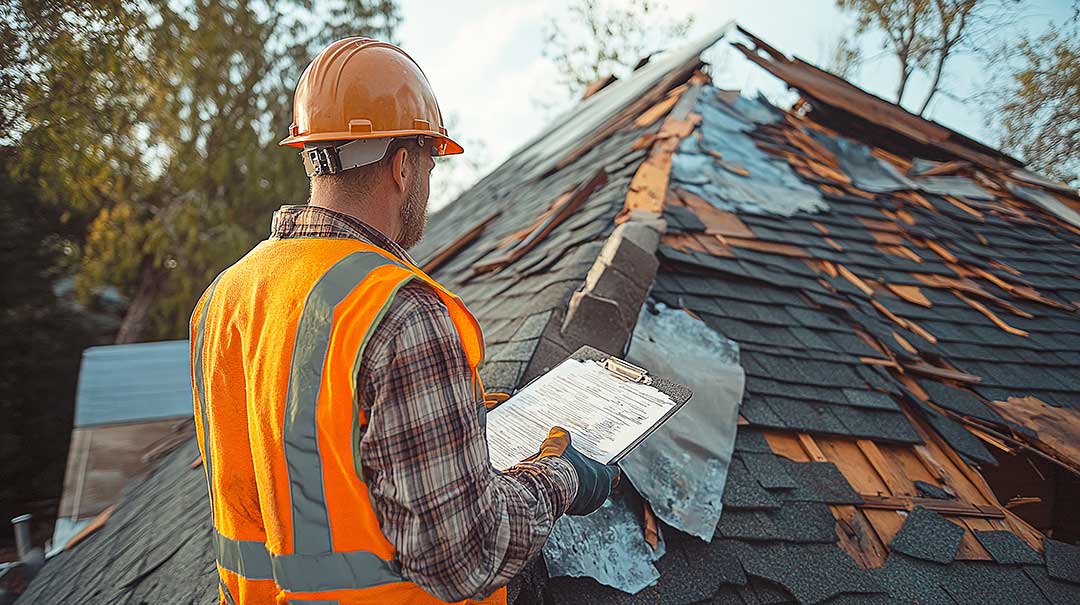
Ice dams usually develop when heat escaping from the living space warms portions of the roof, causing snow to melt. Water then travels toward colder eaves, where it can refreeze. Poor insulation, air leakage, limited ventilation, roof geometry, snow depth, and weather patterns can all contribute.
A reflective roofing surface may remain cooler in sunlight, but ice-dam prevention depends primarily on controlling heat loss and maintaining a consistent roof temperature. In winter, attic insulation and air sealing deserve at least as much attention as the roof covering itself.
Are dark roofs always a poor choice?
No. Dark roofs generally absorb more solar energy than highly reflective roofs, but that does not make them unsuitable for every building.
Roof selection also involves:
- Snow shedding and roof slope
- Wind exposure
- Material durability
- Flashing and drainage
- Compatibility with the existing roof assembly
- Historic or neighborhood appearance
- Maintenance requirements
- Expected heating and cooling patterns
A dark roof on a well-insulated, shaded home may have a different practical impact than the same material on a poorly insulated house with finished attic rooms and strong afternoon sun.
Likewise, a light-colored roof is not automatically a good roof if it has poor installation, inadequate drainage, weak flashing, or a short expected service life.
What should be compared before choosing a roofing material?
Start with the complete product information rather than a color sample. Compare the initial and aged solar reflectance, thermal emittance, and SRI where available.
Then consider the roof assembly and the building itself. A useful evaluation includes:
- Whether the roof is steep-slope or low-slope
- The condition of the decking and underlayment
- Attic insulation and air sealing
- Existing ventilation
- Areas with recurring snow or ice buildup
- Rooms that become unusually hot in summer
- The home’s heating and cooling equipment
- Local code requirements and project-specific specifications
For a home in a cold, snowy climate, the best roofing decision is rarely based on reflectance alone. Ratings are most useful when they are read as one part of a broader assessment of moisture control, durability, insulation, ventilation, and seasonal comfort.
