
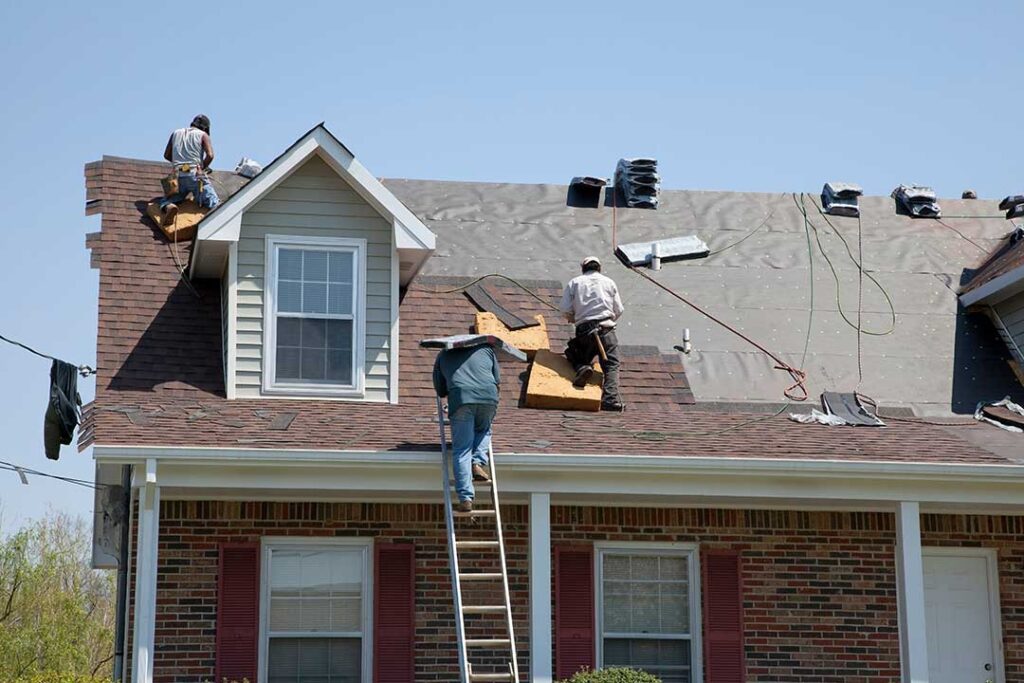
Roof penetrations are the points where pipes, vents, chimneys, skylights, antennas, and other features pass through the roof surface. They need more than a bead of caulk. A durable seal depends on correctly layered flashing, underlayment, fasteners, and compatible materials that direct water around the opening and back onto the roof.
For homes in Ithaca, NY, this work must withstand heavy rain, freeze-thaw cycles, wind-driven moisture, ice, and snow that can remain on the roof for extended periods. Small installation weaknesses may not leak immediately, but repeated movement and seasonal weather can eventually expose them.
What counts as a roof penetration?
A roof penetration is any object or opening that interrupts the continuous roof covering. Common examples include:
- Plumbing vent pipes
- Bathroom and kitchen exhaust vents
- Chimneys and flues
- Skylights
- Satellite or antenna mounts
- Solar equipment supports
- Attic ventilation components
- Electrical service or conduit
- Roof-mounted heating or cooling equipment
Each type has different flashing requirements. A plumbing vent typically uses a manufactured flashing boot, while a chimney may require step flashing, counterflashing, and a cricket or saddle on the uphill side. Treating every penetration as though it can be sealed with roofing cement is a common cause of recurring leaks.
What is the correct way to seal a roof penetration?
The correct approach is to create a water-shedding assembly, not simply cover the opening with sealant. Water should encounter overlapping layers that direct it downhill.
A typical shingle-roof penetration is handled in this order:
1. Inspect the opening and surrounding roof. Remove damaged shingles, deteriorated flashing, loose fasteners, and wet or weakened sheathing as needed.
2. Install or repair the flashing component. The flashing must fit tightly around the penetration and extend far enough beneath the uphill and side portions of the roof covering.
3. Integrate the flashing with the underlayment. A self-adhering membrane may be used where appropriate to reinforce the area and reduce the chance of water reaching the roof deck.
4. Layer the roofing material over the flashing. Shingles or other roof coverings should overlap the flashing in the correct direction, with no uphill edge left exposed to collect water.
5. Seal only the vulnerable joints. Sealant can protect a transition or fastener, but it should not replace properly lapped flashing.
The exact details vary by roof covering and penetration type. Manufacturer instructions are part of the installation requirements, and current New York State residential code requires flashing around roof openings and other penetrations to prevent moisture from entering the roof or wall system.
How should plumbing vent pipes be sealed?
Plumbing vent pipes are usually sealed with a roof flashing boot made for the pipe diameter and roof covering. The boot’s base should lie flat on the roof, with the upper portion installed beneath the uphill shingles and the lower portion placed over the downhill shingles.
The pipe collar must fit snugly around the pipe. If the rubber or flexible section is cracked, split, hardened, or pulled away from the pipe, replacing the entire boot is generally more reliable than applying surface caulk.
Several details deserve attention:
- The pipe should be checked for movement before the flashing is installed.
- Fasteners should be placed where the roof covering or flashing design allows, not randomly through exposed areas.
- The flashing should not be buried under excessive layers of old roofing material.
- Sealant should be compatible with the flashing and roofing materials.
- A pipe boot should not be painted or coated in a way that hides deterioration.
Cold weather can make flexible materials less pliable. Repairs made during freezing conditions may not bond or conform as intended, especially if frost, snow, or surface moisture is present.
How are chimneys and wide penetrations handled?
Chimneys and other wide penetrations need more than a single strip of flashing. Step flashing is typically installed along the sides, while headwall and apron flashing manage water at the downhill edge. Counterflashing is installed into or over the masonry joint so water cannot run behind the base flashing.
A wide chimney or roof penetration can also create a large area where water and snow collect on the uphill side. Under New York State residential code, a cricket or saddle is generally required on the ridge side of a chimney or penetration more than 30 inches wide, measured across the roof slope. This raised, sloped structure divides water and snow so it can drain around the obstruction.
Mortar joints, masonry cracks, and metal transitions should be evaluated separately. Caulking a masonry crack may address one defect but will not correct missing or improperly layered flashing.
Should roof sealant be used around every penetration?
No. Excessive sealant is not a substitute for flashing and can make future inspection more difficult. Many caulks shrink, crack, lose adhesion, or become brittle after repeated exposure to sunlight and temperature changes.
Sealant has a useful but limited role. It may be applied to:
- A properly prepared metal joint
- A flashing transition
- A fastener head where the system calls for it
- A small gap that cannot be protected by overlapping materials
- A counterflashing joint or compatible masonry connection

The surface must be clean and dry, and the sealant must be compatible with the surrounding materials. Some products can damage certain membranes, plastics, or rubber components. Roofing cement smeared over a large area may hide water pathways while failing to stop movement beneath the surface.
How does attic air sealing differ from roof waterproofing?
Roof waterproofing protects the exterior from rain and snow. Attic air sealing controls warm, moist indoor air that can move through ceiling openings and condense in a cold attic.
Around a plumbing vent, recessed light, wiring opening, or exhaust duct, the interior ceiling plane may need to be sealed separately from the roof flashing. Appropriate air-sealing materials depend on the location, temperature, fire-safety requirements, and the size of the opening.
Bathroom and kitchen exhaust ducts should discharge outdoors through properly flashed exterior vents. They should not terminate inside an attic, where warm moisture can contribute to condensation, frost, insulation damage, and mold growth.
Air sealing must also preserve required attic ventilation. Blocking soffit, ridge, or other designed ventilation paths can create new moisture problems.
What should homeowners inspect after a repair?
After a roof penetration is repaired, inspect both the exterior and the attic if access is safe.
From outside, look for:
- Lifted, cracked, or missing shingles
- Exposed portions of flashing that should be covered
- Gaps around pipe collars
- Rusted metal or split rubber
- Sealant that is shrinking or pulling away
- Water stains below the uphill side of a penetration
From inside, check for damp insulation, darkened sheathing, peeling paint, musty odors, or staining around the ceiling opening. A leak may appear several feet away from the penetration because water can travel along rafters, roof decking, or underlayment.
Do not climb onto a wet, icy, steep, or snow-covered roof. Chimney areas, electrical equipment, and skylights also present additional hazards. Work that involves structural damage, combustion flues, electrical systems, or extensive roof access may require qualified assistance for safety and code compliance.
When does a roof penetration need replacement rather than resealing?
Replacement is usually more appropriate when the flashing is cracked, corroded, distorted, undersized, or installed beneath damaged surrounding materials. A deteriorated pipe boot, failed skylight flashing kit, or chimney with missing counterflashing will often leak again if only the visible seam is covered.
Repeated patching can also hide roof-deck rot. If staining returns after a repair, the area should be examined as a layered water-management problem rather than treated with another surface application. In a climate with snow, ice, and frequent temperature changes, properly integrated flashing is generally more dependable than a patch that relies mainly on exposed sealant.
