
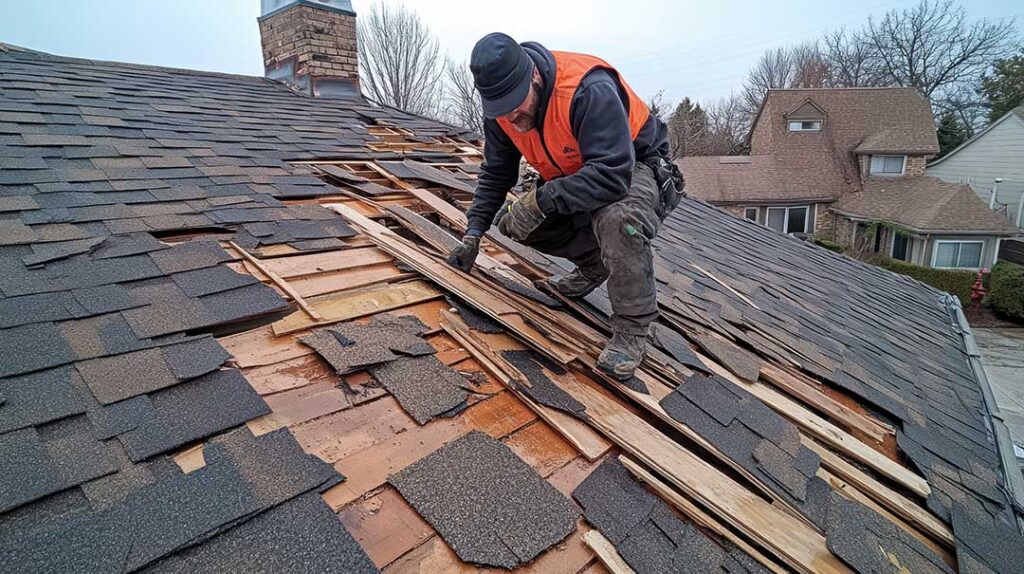
A roof leak is not only a roofing problem. Water that enters through damaged shingles, flashing, vents, or roof edges can move into insulation, framing, ceilings, walls, and electrical systems. The longer moisture remains hidden, the more likely it is to affect the home’s structure.
In Ithaca, NY, repeated freeze-and-thaw cycles, heavy rain, snow, ice buildup, and wind can make small roof defects worse over time. A minor ceiling stain may be the first visible sign of a problem that began above the roof deck or inside the attic.
How does a leaking roof damage a home’s structure?
A leaking roof damages structure by repeatedly wetting materials that were designed to remain dry. Wood framing, roof sheathing, insulation, drywall, and some types of fasteners can weaken or deteriorate after prolonged exposure to moisture.
Water does not always travel straight down. It can follow rafters, trusses, pipes, wiring, insulation, or the underside of the roof deck before appearing in a different room. This is why the location of a ceiling stain may not match the location of the roof opening.
The structural effects can include:
- Rotting roof sheathing beneath shingles
- Weakened rafters, trusses, or ceiling joists
- Sagging roof areas or ceilings
- Deteriorated wall framing
- Mold growth on wood, drywall, and insulation
- Corrosion of metal fasteners and connectors
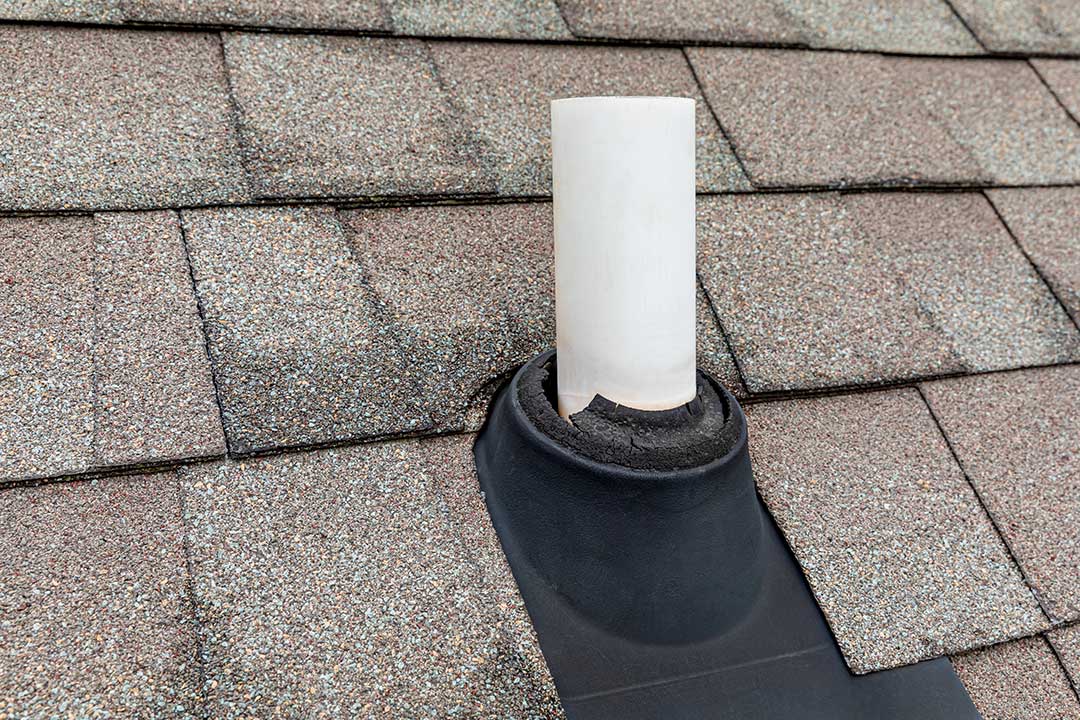
- Damage around chimneys, skylights, vents, and roof valleys
A leak that appears only during heavy rain can still cause serious damage if it has been recurring for months or years.
What parts of a house are most vulnerable?
The attic and roof framing are often affected first, but moisture can spread well beyond those areas. The most vulnerable materials are porous or absorbent, including wood, fiberglass insulation, cellulose insulation, drywall, and some types of subflooring.
Roof sheathing sits directly beneath the roofing materials. If water reaches this layer, it can cause staining, swelling, delamination, or decay. Sheathing that has lost strength may no longer hold roofing fasteners securely.
Rafters and trusses can also be affected. These members support the roof and transfer its weight to the walls. A small amount of moisture does not automatically create a structural emergency, but repeated wetting and drying can gradually reduce the strength of wood, especially when rot develops at joints or connection points.
Wall framing may be damaged when water runs from the attic into an exterior wall. In some homes, the moisture can continue downward into baseboards, flooring, or lower-level ceilings before the source becomes clear.
Can a roof leak make a ceiling or roof sag?
Yes. A ceiling or roof may sag when water adds weight, weakens framing, damages sheathing, or causes drywall to lose its rigidity.
A small, localized sag may result from damaged drywall or insulation. A broader depression in the roof plane may indicate problems with roof sheathing, rafters, trusses, or the connections between them.
Warning signs include:
- A new dip or wave in the roof surface
- A ceiling that bows downward
- Cracks that spread from a water stain
- Doors or windows that begin sticking near a damaged wall
- Soft, spongy, or visibly swollen roof decking
- Popping sounds or movement from a ceiling during rain
A ceiling that is actively bulging should be treated cautiously. Water may be collecting above it, and the material could fail without much warning. Avoid standing beneath the bulge and do not puncture it unless there is a clear, safe reason to release the water.
How does moisture cause wood rot?
Wood rot occurs when moisture remains present long enough for fungi to break down the wood fibers. The process is more likely in areas with poor ventilation, limited drying, trapped insulation, or repeated leaks.
Rot may begin as discoloration or a musty odor. As it progresses, wood can become soft, crumbly, or easy to penetrate with a screwdriver. Rot around rafter ends, wall plates, roof valleys, and chimney framing is especially concerning because these areas may carry or transfer significant loads.
A common misconception is that wood must be visibly soaked to be at risk. Repeated dampness can be enough to create favorable conditions for decay, even when the surface appears mostly dry between storms.
Can a roof leak lead to mold?
Yes. Mold can develop when roof leaks wet building materials and those materials do not dry promptly. Attics are particularly vulnerable because insulation can hold moisture against the roof deck while limiting airflow.
Mold may appear as dark spotting, fuzzy growth, or discoloration, but it may also remain hidden inside insulation, wall cavities, or ceiling assemblies. A musty smell can be an early clue.
Mold is not merely a cosmetic issue. It can damage materials, worsen odors, and create indoor air quality concerns for people with allergies or respiratory sensitivities. Wet insulation may also lose effectiveness, making rooms harder to heat during cold weather.
Why are winter conditions a concern in Ithaca?
Cold-weather conditions can increase the chance that a small roof defect will cause ongoing damage. Snow and ice can conceal damaged shingles or flashing, while freeze-and-thaw cycles can enlarge cracks and openings.
Ice buildup near roof edges may also interfere with drainage. If melting water cannot flow away properly, it may back up beneath roofing materials or enter around edges and penetrations. Snow that melts during a warm period and then refreezes can create repeated wetting events.
Heavy winter moisture can also remain trapped longer in attics and wall assemblies because low temperatures slow evaporation. A leak that might dry quickly during mild weather may stay damp through much of the cold season.
How can a homeowner recognize structural damage?
Visible stains are useful clues, but they do not reveal the full extent of damage. Signs that a leak may have affected the structure include:
- Stains that grow or return after dry weather
- Peeling paint or bubbling drywall
- Soft wood in the attic
- Rusted nails or fasteners
- Damp insulation or compressed insulation
- A musty odor near ceilings or attic access points
- Sagging sheathing, rafters, or ceilings
- Cracks around upper-floor doors, windows, or wall corners
Inspection should be done only when conditions are safe. Walking on a wet, icy, steep, or visibly weakened roof creates a fall risk. Attic floors may also be difficult to navigate, and stepping between framing members can damage ceilings below.
What should happen after a leak is discovered?
The first priority is to limit additional water entry and protect people and belongings. Place containers beneath active drips, move furniture away from the affected area, and keep clear of bulging ceilings. If water is near light fixtures, outlets, wiring, or electrical equipment, avoid contact and use the electrical shutoff only if it can be done safely.
The source and extent of the moisture should then be identified. Drying matters because structural deterioration and mold growth become more likely when wet materials remain in place. Water-damaged insulation, drywall, or wood may require removal, drying, or replacement depending on its condition.
A roof can stop leaking before the structure is dry. For that reason, the absence of new dripping does not prove that the home has returned to normal. The attic, roof deck, framing, and affected interior finishes may still contain hidden moisture.
A prompt, careful response helps distinguish a limited repair from a larger structural problem. The key question is not only where the water appeared, but how long it has been entering and which materials it has reached.
