
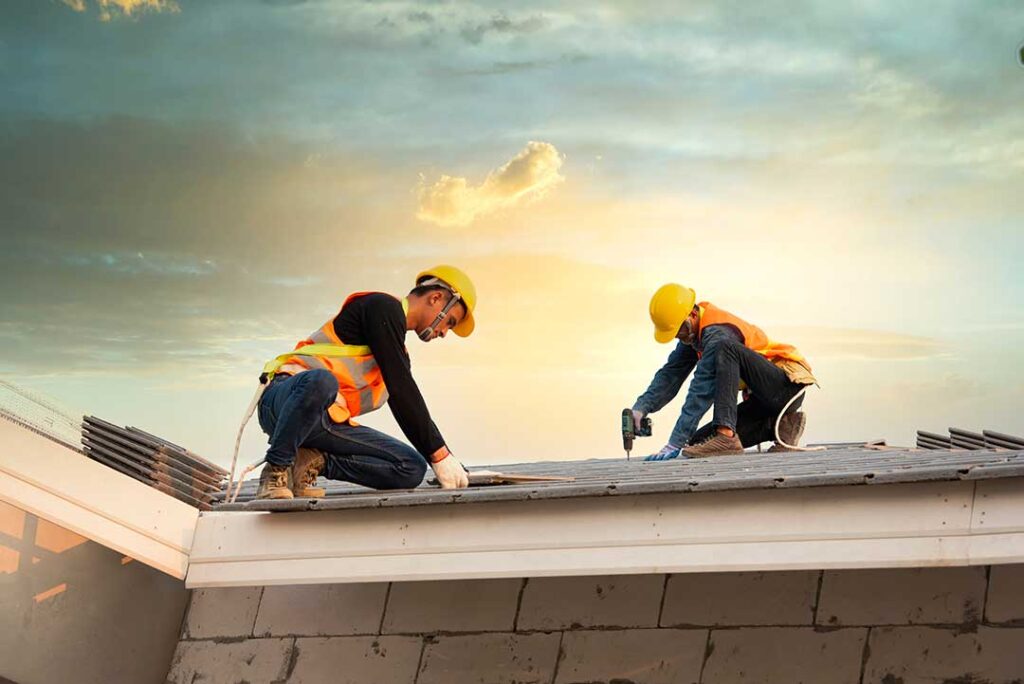
What is a roof coating?
A roof coating is a fluid-applied material spread over an existing roof surface to create a continuous protective layer. Depending on the formulation, the coating may help resist water, sunlight, weathering, and minor surface deterioration.
Roof coatings are not the same as a new roof membrane or a second layer of shingles. They are usually intended to extend the useful life of a roof that is fundamentally sound. Common coating types include:
- Acrylic coatings: Water-based materials that reflect sunlight and are often used on low-slope roofs.
- Silicone coatings: Flexible coatings with strong resistance to standing water, although they can attract dirt and may be slippery when wet.
- Polyurethane coatings: Tougher materials that can provide good resistance to impact and foot traffic.
- Asphalt-based coatings: Materials designed for certain asphalt roof systems, but compatibility depends on the roof assembly.
The correct coating depends on the existing roof material, drainage conditions, moisture history, and expected exposure. A coating that works well on a commercial membrane may be unsuitable for asphalt shingles or an older residential roof.
What are the main advantages of roof coatings?
The primary benefit is that a coating can protect a serviceable roof without immediately replacing the entire roof system. It may also seal small surface imperfections and reduce exposure to ultraviolet radiation and repeated wetting and drying.
Other potential benefits include:
- Extended roof service life: A coating can slow weathering when the underlying roof remains structurally sound.
- Reduced water intrusion risk: A continuous layer can cover minor cracks, seams, and fastener heads when properly prepared and detailed.
- Lower surface temperatures: Light-colored coatings reflect more sunlight, which may reduce heat gain through a low-slope roof during summer.
- Less construction waste: Recoating generally removes less material than a full roof replacement.
- Simpler installation: Many coatings are applied without removing the entire roof surface, reducing noise and disruption.
- Easier maintenance: Some systems can be recoated periodically, allowing maintenance to occur in stages rather than all at once.
These advantages are most meaningful on low-slope roofs with aging but stable membranes. A coating cannot restore rotten decking, repair widespread structural movement, or correct a roof that was poorly designed from the beginning.
Can a roof coating stop leaks?
A roof coating may reduce leaks caused by small cracks, open seams, or minor surface wear, but it is not a universal leak repair. Active leaks must be traced to their source before a coating is applied.
Water can travel beneath roofing materials before appearing inside a building. A stain on a ceiling may be located far from the actual opening in the roof. If wet insulation, deteriorated decking, failed flashing, or damaged membrane is left in place, coating over the surface may hide the problem temporarily while deterioration continues underneath.
A coating is generally a poor choice when the roof has:
- Soft or rotted decking
- Large areas of wet insulation
- Extensive blistering or splitting
- Open edges or failed flashing
- Repeated ponding caused by inadequate drainage
- Structural sagging
- Major storm damage
- Widespread loss of adhesion
Small repairs and detailed preparation are often more important than the coating itself. Seams, penetrations, drains, curbs, skylights, and roof edges require special attention because they are common points of failure.
What are the disadvantages of roof coatings?
Roof coatings can be useful, but they are not a shortcut around roof replacement. The most significant limitation is that a coating depends on the condition of the existing roof. If the original system is near failure, a new surface layer may provide little lasting value.
Other disadvantages include:
- Preparation can be extensive: Cleaning, drying, repairing, priming, and reinforcing seams may take considerable time.
- Compatibility problems: Some coatings do not bond well to certain membranes, shingles, aged asphalt, or previously applied materials.
- Weather dependence: Many products require a dry surface and suitable temperatures during installation and curing.
- Limited protection against physical damage: A coating will not prevent damage from falling branches, sharp tools, ice movement, or heavy foot traffic unless the entire system is designed for those conditions.
- Potential for trapped moisture: Applying a relatively impermeable coating over a damp roof can trap moisture within the assembly.
- Maintenance remains necessary: Dirt, debris, punctures, and drainage problems still need to be addressed.
- Surface texture may change: Some coatings become slippery when wet or collect airborne dirt, affecting appearance and safe access.
The expected service life varies widely. Product type, film thickness, roof movement, drainage, installation quality, and weather exposure all affect performance. A coating should not be judged by its advertised lifespan alone.
Are roof coatings suitable for homes in Ithaca?
They can be suitable in some situations, particularly for homes or small buildings with low-slope roof sections, porch roofs, additions, garages, or other areas covered by membrane or modified bitumen systems. They are less commonly appropriate for standard pitched roofs covered with asphalt shingles.
The local climate creates several factors to consider. Roofs in Ithaca experience snow, freeze-thaw cycles, spring moisture, summer sunlight, falling leaves, and occasional ice buildup. These conditions place stress on seams, flashing, drainage paths, and areas where snow or debris remains on the roof.
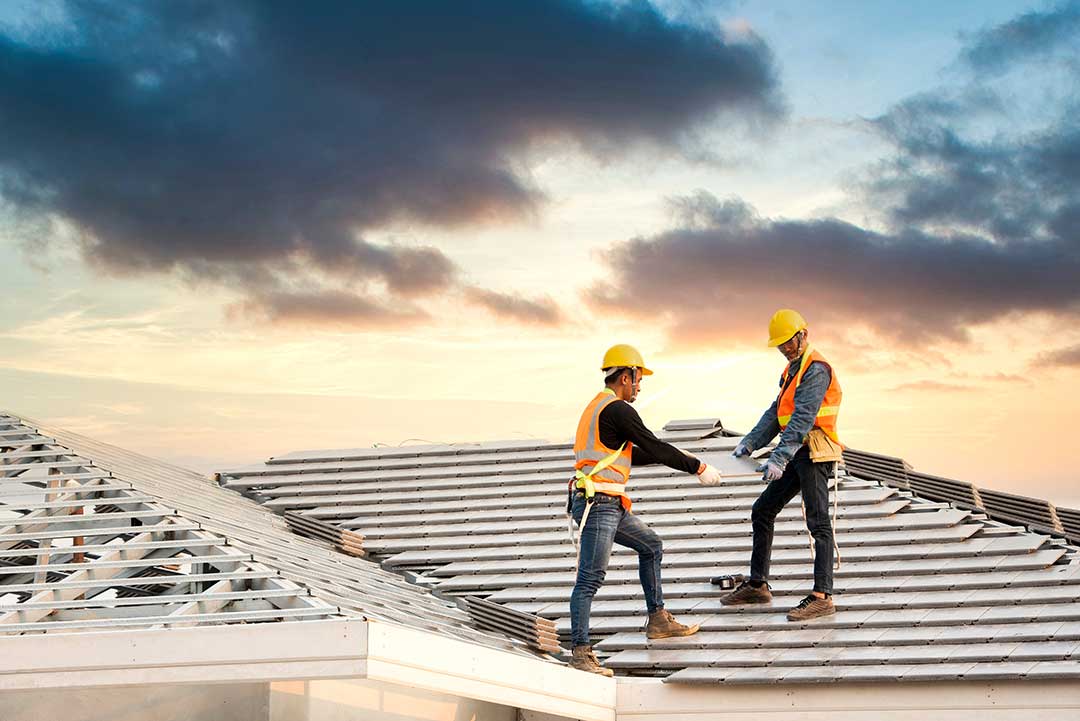
A coating may perform well only if water can drain reliably and the existing roof can tolerate seasonal movement. Ponding is especially concerning because repeated standing water can weaken some coating systems and place stress on the roof beneath them. Snow-covered surfaces also make it difficult to inspect, prepare, or safely apply many products during colder months.
For that reason, roof coatings are usually considered during a dry, mild weather window rather than as an emergency winter measure.
Do roof coatings work on asphalt shingles?
Most roof coatings are not a good general solution for aging asphalt shingles. Shingles are designed as layered systems with overlapping tabs, granules, underlayment, and ventilation requirements. Coating the surface can affect flexibility, appearance, water shedding, and the way the roof releases heat and moisture.
A coating may also cover visible warning signs without correcting damaged flashing, missing granules, curled shingles, deteriorated underlayment, or poor attic ventilation. Some products can soften asphalt materials, interfere with bonding, or make future repairs more difficult.
Limited specialty treatments exist for particular shingle conditions, but they should not be treated as a standard substitute for replacement. The roof material and manufacturer requirements must be considered before any coating is selected.
Does a roof coating improve energy efficiency?
A reflective coating can reduce solar heat absorption, especially on a low-slope roof with a broad exposed surface. The effect is generally more noticeable during sunny summer conditions than during the heating season.
Energy savings depend on several factors:
- How much roof area receives direct sunlight
- The color and reflectivity of the coating
- Existing insulation levels
- Attic or roof assembly design
- Building size and interior use
- Heating and cooling patterns
A reflective coating will not compensate for poor insulation, air leakage, blocked ventilation, or major moisture problems. In a cold-climate community, reducing summer heat gain can be useful, but the roof still needs to manage winter moisture and temperature changes properly.
How can homeowners decide whether coating makes sense?
The decision should begin with the roof’s condition, not the coating product. A coating is more reasonable when the roof is dry, firmly attached, adequately drained, and free of widespread structural damage.
Useful questions include:
- What roofing material is already installed?
- Is the roof leaking, and has the source been identified?
- Is there wet insulation or damaged decking?
- Are seams, flashing, edges, and penetrations repairable?
- Does water remain on the surface after rain?
- Has the roof already been coated, and with what material?
- Can the roof be safely cleaned and prepared?
- Will the coating interfere with future repairs or replacement?
If the roof has unsafe access conditions, concealed moisture, structural damage, or extensive deterioration, evaluation by a qualified roofing specialist may be necessary. That is a safety and building-performance issue, not simply a product choice.
For a sound low-slope roof, coating can be a practical maintenance strategy. For a failing roof, it may only postpone a larger repair while making the underlying condition harder to assess.
