
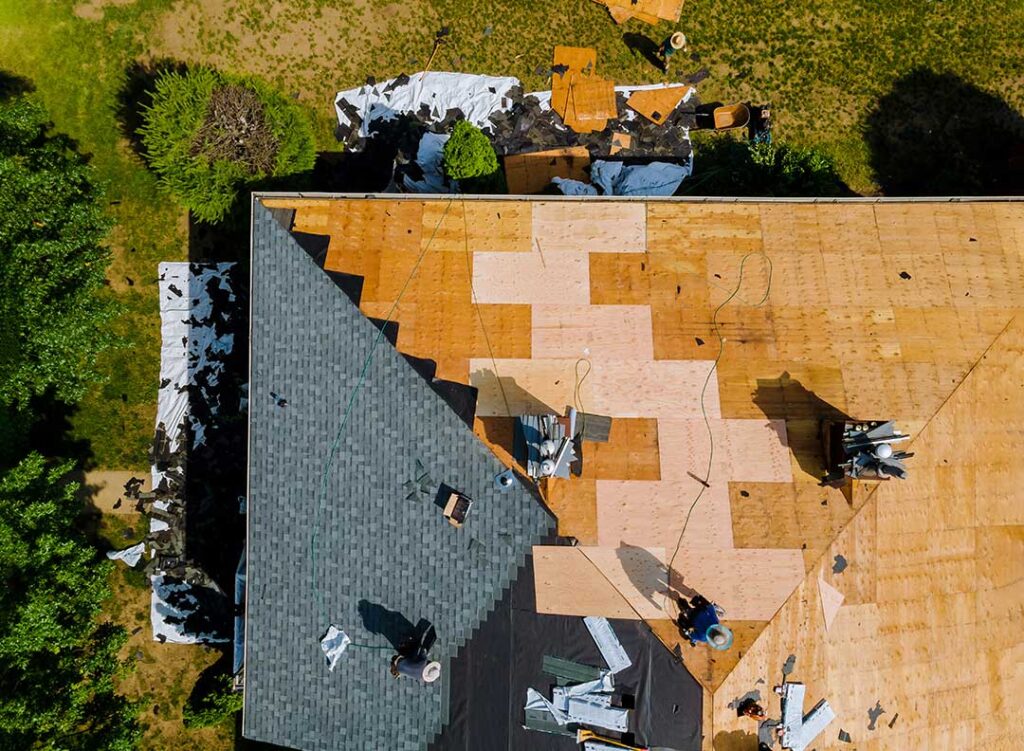
A new roof can improve a home’s value, but its financial effect depends on more than the age of the shingles. In Ithaca, NY, buyers also look at protection from snow, freeze-thaw cycles, ice buildup, water intrusion, and the likelihood of near-term repair costs.
A roof replacement is usually best understood as a combination of value protection, buyer confidence, and improved marketability. It does not automatically return every dollar spent, and the result varies by home, neighborhood, roof design, materials, and local market conditions.
Does a new roof increase home value?
Usually, a new roof helps preserve or improve a home’s value, especially when the existing roof is visibly worn, near the end of its service life, or showing signs of leakage. Buyers tend to place a higher value on a home that will not require a major exterior repair soon after closing.
The effect is often strongest when the old roof would otherwise become a negotiation issue. A buyer may respond to an aging roof by:
- Offering less than the asking price
- Requesting a repair or replacement credit
- Asking for other concessions
- Delaying a purchase while roof concerns are investigated
- Having difficulty obtaining acceptable insurance or mortgage approval
A newer roof may not create a dollar-for-dollar increase in resale price. However, it can reduce the discount buyers apply to a property with visible defects or uncertain maintenance needs.
How much of the replacement cost can a homeowner recover?
Roof replacement commonly provides a partial return rather than a full financial recovery. National remodeling studies have often found that asphalt shingle replacement recovers roughly half to two-thirds of its cost at resale, though the percentage changes from year to year and varies by region.
That figure should not be treated as a guaranteed Ithaca resale calculation. Actual results depend on:
- The condition and age of the previous roof
- The size and complexity of the roof
- Material and installation costs
- The home’s overall condition
- Recent comparable sales
- Whether the replacement addresses known defects
- Buyer expectations for similar homes
A roof in poor condition may produce a better practical return than a roof replaced purely for appearance. Replacing a failing roof can prevent a large price reduction, while replacing a perfectly serviceable roof may offer less measurable financial benefit.
Why does roofing matter so much in this area?
Roof performance has a direct relationship to local weather. Ithaca receives substantial winter snowfall, and snow may melt, refreeze, and remain on roofs during changing temperatures. Freeze-thaw cycles can expose weaknesses around flashing, valleys, chimneys, skylights, roof edges, and penetrations.
A sound roof helps protect:
- Roof decking and framing
- Attic insulation
- Ceilings and finished interior spaces
- Electrical components near roof leaks
- Exterior walls and trim
- Gutters and drainage areas
Buyers may not expect a roof to be new, but they generally want it to be dependable. A roof with a documented installation date and no known active leaks gives buyers a clearer understanding of future ownership costs.
Is a new roof more valuable than a roof repair?
Not always. A properly completed repair may be the more sensible choice when the roof is otherwise in good condition and the problem is limited to a small area.
Replacement becomes more relevant when problems are widespread or recurring. Warning signs include:
- Repeated leaks in different locations
- Extensive shingle loss or cracking
- Persistent sagging or soft decking
- Widespread moss or moisture damage
- Deteriorated flashing throughout the roof
- Shingles that have reached or exceeded their expected service life
- Interior staining that returns after repairs
A buyer’s inspection may distinguish between an isolated repair and a roof that appears to need replacement. Spending money on a full replacement does not make sense solely because a home is being sold if the existing roof still has substantial useful life.
Which roof improvements matter most to buyers?
The most valuable improvements are usually the ones that improve reliability and reduce uncertainty. Appearance matters, but performance and documentation often matter more.
Important factors include:
Proper water management
Flashing, valleys, roof-to-wall transitions, and penetrations should be installed and maintained correctly. These areas are common sources of leaks, and defects may not be obvious from the ground.
Ice and snow protection
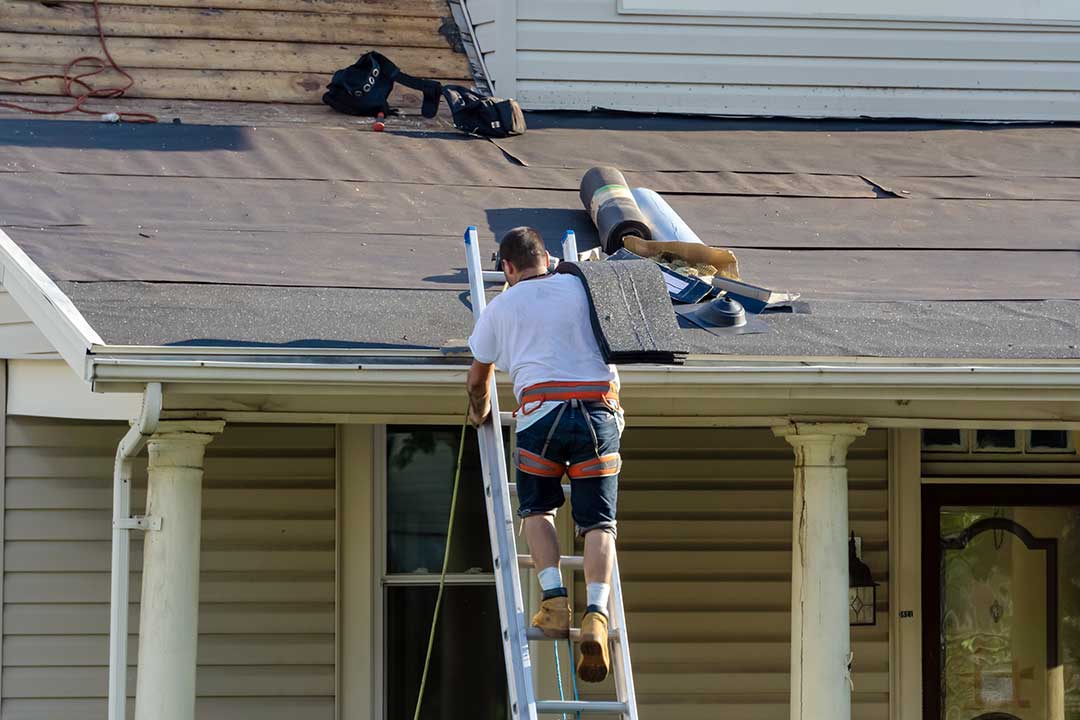
Roof assemblies in snowy climates need appropriate underlayment and ice-barrier protection where required by code and roof design. Adequate attic ventilation and insulation can also help reduce uneven roof temperatures that contribute to ice-dam problems.
Sound roof decking
New shingles cannot compensate for deteriorated or moisture-damaged decking. A replacement that includes appropriate deck evaluation provides greater confidence than a superficial covering over hidden problems.
Consistent appearance
Mismatched patches, visible repairs, curled shingles, and areas of discoloration can make a roof appear older than it is. A uniform roof generally presents better during listing photographs and in-person showings.
Clear records
Receipts, permits when applicable, material information, warranties, and dated photographs can help establish what work was completed. Records are especially useful when a roof replacement is recent but not visually distinguishable from an older roof.
Should a homeowner replace the roof before selling?
A replacement before selling may be reasonable when the roof is clearly failing, active leaks are present, or an inspection is likely to make the roof a major obstacle. In other cases, disclosure and pricing may be more practical than replacing the roof immediately.
Homeowners should compare the likely cost of replacement with the probable consequences of leaving the roof as it is. Those consequences may include:
- A lower asking price
- A buyer-requested credit
- A longer marketing period
- A failed inspection
- Additional interior damage before closing
- A more complicated negotiation
Timing also matters. Roofing work is affected by temperature, precipitation, and material requirements. Work completed before listing may improve presentation, but rushed installation or incomplete cleanup can create new concerns.
Does a metal roof add more value than asphalt shingles?
Not automatically. A metal roof may offer long service life and strong resistance to some weather conditions, but buyers do not always assign its full installation cost to the home’s resale value.
The right material depends on the roof’s slope, structure, ventilation, appearance, maintenance needs, and expected ownership period. A well-installed asphalt shingle roof may be more appropriate for one house, while a different roof system may suit another.
Home value is influenced more by proper design, installation quality, durability, and compatibility with the house than by material price alone.
What should homeowners document for future resale?
Roof-related records can reduce uncertainty during a future sale. Useful information includes:
- Installation date
- Type and approximate grade of roofing material
- Areas where decking was replaced
- Flashing and ventilation work
- Evidence of repairs
- Permit information, if required
- Maintenance and inspection records
- Photos taken before, during, and after replacement
A new roof is most valuable when it is part of a well-maintained building envelope. Buyers will also evaluate gutters, siding, windows, insulation, drainage, and signs of interior moisture. Roofing can strengthen a home’s position in the market, but it works best as part of an overall pattern of responsible maintenance.
