
Does homeowners insurance cover roof damage?
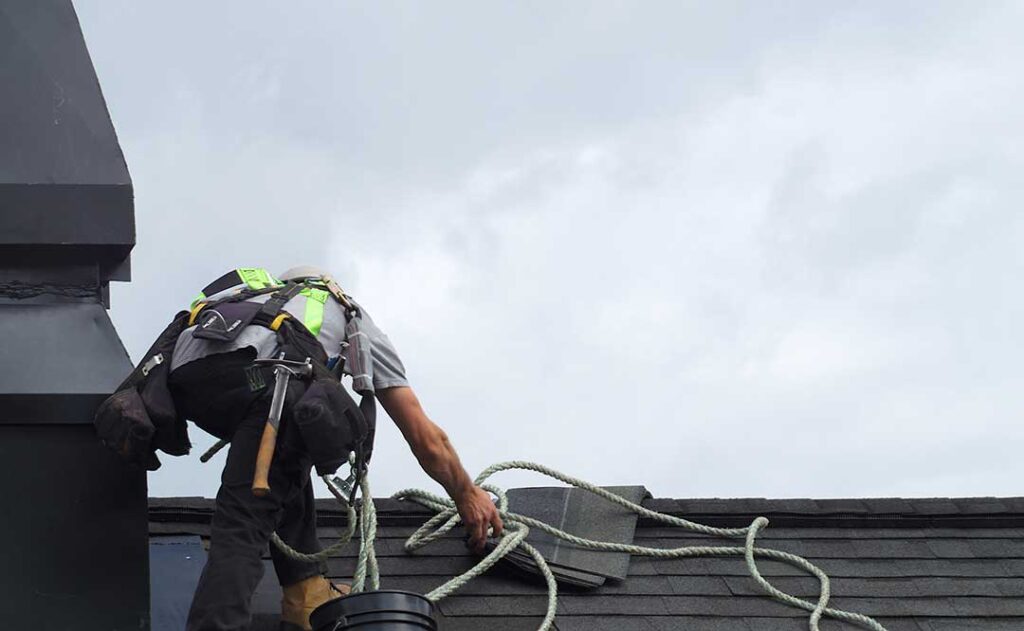
Usually, homeowners insurance covers sudden and accidental roof damage caused by a covered event. It generally does not cover a roof that deteriorates gradually because of age, neglect, faulty installation, or ordinary wear and tear.
Covered causes may include:
- Wind damage
- Hail damage
- Fire
- Falling trees or branches
- Damage from the weight of snow or ice
- Vandalism
- Certain types of water damage resulting from a covered opening in the roof
The exact answer depends on the policy language, exclusions, deductible, and condition of the roof before the incident. Insurance policies are contracts, so two homeowners with similar-looking damage may receive different claim decisions based on their coverage.
For households in Ithaca, winter conditions deserve particular attention. Repeated freeze-and-thaw cycles, heavy snow, ice buildup, and wind can affect shingles, flashing, gutters, roof edges, and attic ventilation. A storm-related loss may be covered, but the insurer may still separate newly caused damage from older roof problems.
What roof problems are usually excluded?
Insurance is designed to cover unexpected losses, not routine maintenance or the cost of replacing an aging roof. Common exclusions include:
- Shingles that have become brittle from age
- Moss, algae, or surface staining
- Slow leaks that developed over a long period
- Rot caused by ongoing moisture
- Damage from poor workmanship or defective materials
- Inadequate maintenance
- A roof that has reached the end of its useful life
- Interior damage caused by a long-standing leak
A roof can be old and still suffer a covered storm loss. However, the insurer may pay only for the storm-related portion of the damage rather than treating the entire roof as a new loss.
For example, if wind removes several sound shingles and water enters through that opening, the resulting damage may be covered. If the same roof has widespread cracking, missing granules, exposed underlayment, and years of deferred repairs, those conditions may be excluded or may reduce the amount paid.
How do roof age and condition affect a claim?
Roof age can affect both eligibility for coverage and the amount of payment. Some policies provide replacement cost coverage for the roof, while others settle roof losses using actual cash value.
Replacement cost coverage generally pays the cost to repair or replace covered damage with similar materials, subject to the policy limit and deductible. The policy may initially pay an amount reflecting depreciation and release the remaining amount after completed repairs, depending on the policy terms.
Actual cash value coverage subtracts depreciation based on age and condition. An older roof may therefore produce a much smaller insurance payment, even when the cause of damage is covered.
The declarations page may not explain every roof-related limitation. Review the full policy for terms such as “actual cash value,” “replacement cost,” “roof surfacing,” “wear and tear,” “cosmetic damage,” and “matching.”
A roof inspection, prior repair records, photographs, and receipts can help establish the roof’s condition before a storm. Keeping these records is especially useful when a claim involves only part of an older roof.
What deductible applies to roof damage?
The deductible is the amount the homeowner pays before insurance contributes to a covered loss. A standard deductible may apply to many claims, while a separate wind deductible may apply to damage caused by wind.
Wind deductibles are sometimes calculated as a percentage of the home’s insured value rather than as a flat dollar amount. A policy with a 2% wind deductible on a dwelling insured for $300,000 would have a $6,000 deductible for a qualifying wind loss.
Before filing a claim, compare the estimated covered damage with the applicable deductible. A small repair may cost less than the deductible, while a major loss involving the roof, ceilings, insulation, and personal belongings may clearly exceed it.
Do not assume that every storm-related loss uses the same deductible. Check the declarations page and policy endorsements, particularly after a policy renewal or change in coverage.
Does homeowners insurance cover ice dams?
Coverage for ice-dam damage depends on the policy and the cause of the loss. Some policies cover resulting interior water damage when an ice dam forces melting snow into the home. Others may limit or exclude certain forms of water intrusion.
An ice dam itself may not be treated the same way as damage caused by wind or the weight of snow. The policy may also exclude damage connected to inadequate insulation, poor ventilation, or failure to maintain the roof.
In the area’s cold winters, warning signs can include:
- Icicles forming repeatedly along the same roof edge
- Water stains near exterior walls or ceilings
- Damp attic insulation
- Frost or condensation on roof framing
- Gutters pulling away from the fascia
- Ice buildup around roof valleys or low-slope sections
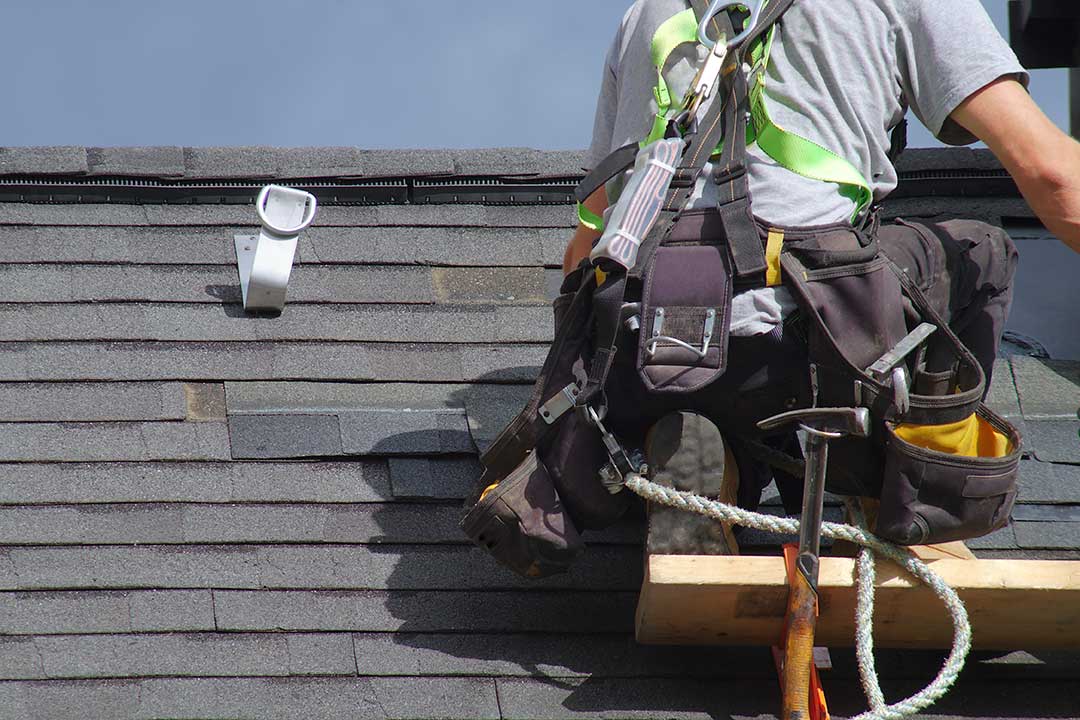
Safe observation from the ground is preferable to climbing onto an icy roof. If water is actively entering the home, protect belongings, place containers under leaks, and document the damage. Do not make repairs that create a safety hazard.
What should a homeowner do after storm damage?
After a suspected covered loss, take reasonable steps to prevent additional damage and notify the insurer promptly. Temporary measures might include placing a tarp over a small opening when it can be done safely, moving furniture away from leaking areas, or arranging emergency water removal.
Document the condition before disturbing it:
- Photograph the roof and visible damage from the ground
- Photograph interior stains, wet insulation, ceilings, and damaged belongings
- Record the date and approximate time of the storm
- Keep receipts for temporary repairs and emergency services
- Save damaged materials when practical
- Write down when leaks began and whether they worsened during rainfall
Avoid permanently replacing the roof before the insurer has had a reasonable opportunity to inspect it, unless immediate action is necessary to protect the home. If emergency work is required, retain photographs, invoices, and a description of what was done.
A claim decision should identify the covered cause, excluded conditions, deductible, depreciation, and payment calculation. Ask for clarification in writing if the explanation is difficult to understand.
Can insurance require a roof replacement?
An insurer may impose underwriting requirements related to roof age, condition, or maintenance, especially at renewal. That is different from approving a claim for storm damage.
A policy may also require repairs within a specified period after an inspection. Failure to address known problems could affect future coverage, but the insurer must follow the terms of the policy and applicable New York insurance rules.
Replacing a roof does not automatically mean every related upgrade will be paid by insurance. Code-required work, ventilation changes, insulation, structural corrections, and improvements may require specific coverage, such as an ordinance or law endorsement. New York’s building requirements can also affect reroofing work, particularly when older homes are repaired or altered.
Before starting major work, review the policy and determine whether code-related costs are covered. Local permit requirements may apply even when an insurance claim is approved.
How can roof maintenance help with insurance issues?
Maintenance does not guarantee claim approval, but it creates evidence that the roof was reasonably cared for and can reduce the chance of preventable damage.
Useful records include:
- The approximate installation date
- Roofing invoices and warranties
- Inspection reports
- Photographs taken before and after severe weather
- Receipts for flashing, gutter, ventilation, or shingle repairs
- Notes about recurring leaks or previous claims
Keep gutters clear, inspect attic moisture and ventilation, trim hazardous branches where permitted, and watch for loose flashing or damaged shingles after high winds. Snow removal from a roof should not be attempted casually; the weight of snow, the roof pitch, and the risk of falling ice can make the work dangerous.
The most reliable way to understand coverage is to read the current declarations page and policy endorsements before a loss occurs. Confirm the roof settlement method, deductible, exclusions, dwelling limit, and any requirement to report changes in roof age or condition.
