
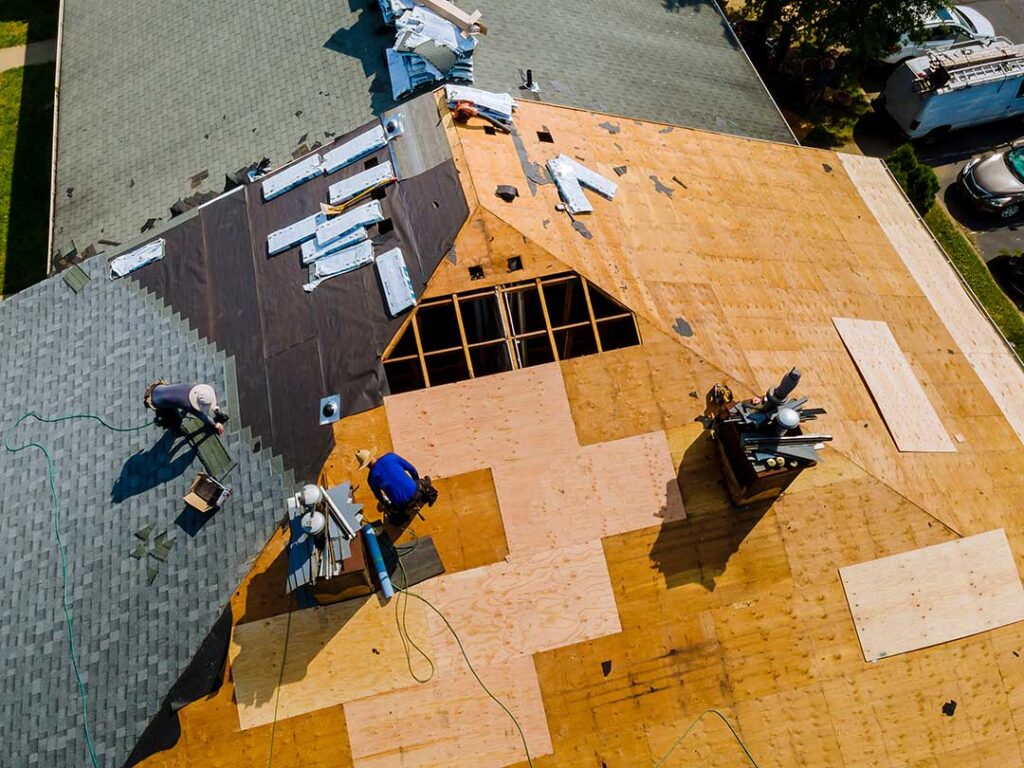
Roof damage rarely begins with a dramatic collapse or a large ceiling stain. More often, it starts with a lifted shingle, a small attic damp spot, a clogged drainage path, or a subtle change in the roofline. Finding these signs early can help prevent water from reaching insulation, framing, ceilings, and walls.
For households in Ithaca, NY, regular observation is especially useful because roofs experience snow, ice, wind, heavy rain, and repeated freeze-thaw cycles. These conditions can expose weak points gradually, even when the roof still looks acceptable from the ground.
What should homeowners look for from the ground?
The safest first inspection is visual and can usually be done from the yard, driveway, or an upper-floor window. A roof does not need to be climbed to identify many early warning signs.
Look for:
- Shingles that appear curled, cracked, blistered, or lifted
- Areas that look darker, uneven, or noticeably different from the rest of the roof
- Missing shingles or exposed underlayment
- Loose flashing around chimneys, vents, skylights, and roof edges
- Sagging sections along the roofline
- Excessive granules collecting beneath downspouts
- Large patches of moss or plant growth, particularly where moisture remains
- Gutters pulling away from the fascia or holding standing water
A few isolated granules in a gutter are not always a serious problem. However, a steady increase in gritty material after rain can indicate that asphalt shingles are losing their protective surface.
A roofline that appears wavy or dips between supports deserves closer attention. Sagging may involve the roof deck, framing, prolonged moisture exposure, or excessive loading. It should not be dismissed as a cosmetic issue.
Which shingle problems are easy to miss?
Shingle damage is often most visible after high winds, but some problems develop slowly. A shingle may remain in place while its edges lift or its seal weakens.
Pay attention to:
- Shingle tabs that do not lie flat
- Cracks running through the shingle surface
- Bare-looking areas where granules have worn away
- Shingles with exposed dark underlayers
- Fasteners or nails that appear raised
- Small pieces of roofing material on the ground
Wind can loosen shingles without removing them completely. During later rain, water may enter beneath the lifted edge. Repeated temperature changes can also make brittle shingles crack or split.
Older roofs may show widespread granule loss, fading, or repeated repairs rather than one obvious failure. Several small defects in the same area can be more meaningful than a single damaged shingle.
What signs can be found inside the attic?
The attic often reveals roof problems before they become visible in living spaces. Inspect it during daylight and after rainfall if access is safe and practical.
Check for:
- Damp or discolored roof decking
- Water stains around roof penetrations
- Wet or compressed insulation
- Darkened wood, mold-like growth, or musty odors
- Daylight visible through the roof deck
- Rust around metal fasteners
- Drips or dampness near valleys, eaves, chimneys, and vents
Water does not always appear directly below the exterior leak. It can travel along rafters, roof decking, insulation, or wiring before reaching a ceiling. As a result, a stain near an outside wall may originate several feet away on the roof.
A musty attic alone does not prove a roof leak. Poor ventilation, air leakage, or high indoor humidity can also cause moisture. The pattern matters: moisture concentrated around a penetration or appearing after storms is more suggestive of roof-related water entry.
What do ceiling and wall stains mean?
A ceiling stain usually means water has already moved beyond the roof covering. It may come from a damaged shingle, failed flashing, an ice dam, a plumbing vent, condensation, or another source.
Common warning signs include:
- Yellow, brown, or gray ceiling marks
- Paint that bubbles, peels, or cracks
- Soft drywall
- Damp spots that grow after rain
- Staining around skylights, chimneys, or upper-floor walls
- Water marks that appear after snow begins melting
A stain that dries between storms still deserves attention. Intermittent leaks can be more difficult to trace because the visible evidence disappears before an inspection takes place.
If a ceiling is sagging, water is actively dripping, or moisture is near electrical fixtures, avoid touching the area. Move furnishings away if possible, place a container beneath drips, and treat the situation as urgent. Water and electricity create a serious hazard.
How do gutters and attic ventilation reveal roof trouble?
Roof drainage and ventilation affect how well a roof handles water and winter weather. Gutters filled with shingle granules, shingle fragments, or excessive organic debris may indicate either roof wear or poor drainage maintenance.
Watch for:
- Water spilling over the front or sides of gutters
- Streaks or erosion beneath roof edges
- Downspouts that discharge against the foundation
- Ice buildup along eaves
- Persistent icicles after ordinary snowfalls
- Frost or damp insulation in the attic
- Blocked soffit or roof vents
Ice dams form when snow melts on a warmer part of the roof and refreezes near colder eaves. The resulting ice can obstruct drainage and allow water to move beneath shingles. In a region with winter snow and repeated temperature swings, persistent ice buildup is a useful warning sign rather than merely a seasonal nuisance.
Do not chop ice from the roof with a hammer or sharp tool. That can damage shingles, gutters, flashing, and the roof deck. Roof access during snow or ice is also hazardous.
When should a roof be checked after a storm?
A visual check is worthwhile after strong wind, heavy rain, hail, or a major snow and ice event. Look from the ground for missing materials, new debris, displaced flashing, or changes in the roofline.
Inside the house, check upper-floor ceilings, attic spaces, and areas around chimneys, vents, skylights, and exterior walls. A leak may not appear immediately after a storm, particularly if water is held temporarily by insulation or trapped beneath roofing materials.
After heavy snow, unusual sagging, large snow drifts, or cracking sounds should be taken seriously. Snow can collect unevenly near valleys, roof transitions, dormers, chimneys, and other raised areas. Removing roof snow is not a job for improvised ladders or unsafe climbing. The weight of snow and ice, combined with slippery surfaces, can create a fall or structural hazard.
Which roof problems require prompt attention?
Some conditions should not wait for a convenient inspection:
- Active water entering the home
- A sagging roof deck or ceiling
- Large areas of missing shingles
- Exposed roof decking or underlayment
- Damaged flashing around a chimney or other penetration
- A fallen tree limb or major impact
- Signs of structural movement
- Water near electrical wiring, fixtures, or outlets
Minor-looking damage can become more serious during the next rain or freeze. Documenting the location with photographs from a safe position can help track changes, but photographs should not replace a careful evaluation when structural damage, unsafe access, or active leakage is present.
How often should a roof be observed?
A quick ground-level check every few months is reasonable, with additional checks after major storms. Gutters, downspouts, attic spaces, and ceilings can be reviewed as part of seasonal home maintenance.
The most useful times are:
- After winter snow and ice have melted
- During spring rains
- After strong summer or autumn wind
- Before the heating season
- After any tree limb or other impact
Early roof inspection is not about finding a reason to replace a roof. It is about distinguishing normal aging from conditions that allow water to enter. A small defect found while the surrounding materials are dry is generally easier to understand and address than the same defect after insulation, framing, drywall, and personal property have been affected.
