

Why do roofs leak?
Roof leaks usually begin when water finds a weak point in the roofing system. That weak point may be a damaged shingle, a failed seal around an opening, a clogged drainage path, or a hidden flaw in flashing.
In Ithaca, NY, roofs face repeated cycles of rain, snow, ice, wind, and temperature changes. These conditions can gradually loosen materials or expose small defects. A ceiling stain may appear far from the actual entry point because water can travel along roof decking, rafters, insulation, or interior wall cavities before becoming visible.
Understanding the most common causes makes it easier to recognize a developing problem before it leads to widespread moisture damage.
How do damaged or missing shingles cause leaks?
Shingles protect the roof deck from direct exposure to rain and melting snow. A shingle that is cracked, curled, lifted, or missing can allow water beneath the surrounding courses.
Damage may result from:
- Strong wind
- Falling branches
- Hail or impact
- Foot traffic
- Age-related deterioration
- Repeated freezing and thawing
A few damaged shingles do not always produce an immediate ceiling stain. Water may first soak the underlayment or roof decking, where it can remain unnoticed until the damage expands.
Granules collecting in gutters are another possible warning sign. Some granule loss is normal as shingles age, but large amounts, bald patches, or exposed asphalt indicate that the protective surface is wearing away.
Why is flashing a frequent source of roof leaks?
Flashing is the material installed around roof joints and penetrations. It directs water away from vulnerable areas such as chimneys, skylights, walls, valleys, and plumbing vents.
Flashing can leak when it is:
- Bent or corroded
- Cracked around fasteners
- Separated from masonry or siding
- Installed with gaps
- Covered by deteriorated sealant
- Damaged during other roof work
Flashing problems are common because these locations involve changes in direction or material. Water naturally collects or moves more slowly there, giving it more opportunity to enter through a small opening.
A leak near a chimney or wall does not necessarily mean the roof surface is the problem. The flashing and surrounding masonry may need to be examined as part of the same area.
Can clogged gutters cause a roof leak?
Yes. Gutters and downspouts that cannot drain properly may contribute to leaks, especially along roof edges and in areas where water backs up beneath shingles.
Leaves, twigs, ice, and roof granules can restrict drainage. During heavy rain, backed-up water may reach the fascia, soffit, roof edge, or wall framing. In winter, poor drainage can also contribute to ice buildup along the eaves.
Gutters are not designed to hold standing water for long periods. Sagging sections, loose fasteners, separated joints, and downspouts that discharge too close to the foundation can all increase moisture problems around the roof and exterior walls.
What role does ice damming play?
Ice dams form when snow on a roof melts in a warmer upper area and refreezes near the colder eaves. The resulting ridge of ice can prevent meltwater from draining normally. Water may then move beneath shingles and into the roof assembly.
Ice dams are more likely when:
- Attic insulation is uneven or insufficient
- Air leaks allow warm indoor air into the attic
- Roof edges remain cold while upper roof areas warm
- Snow accumulates and temperatures fluctuate
Not every winter roof leak is caused by an ice dam. Water stains near exterior walls or overhangs can suggest this problem, but other causes, including flashing failure or blocked gutters, may look similar.
Reducing heat loss into the attic and maintaining proper ventilation can help limit the conditions that create ice dams. These improvements need to be approached carefully because blocking ventilation or adding insulation around the wrong areas can create additional moisture problems.
How can roof valleys develop leaks?
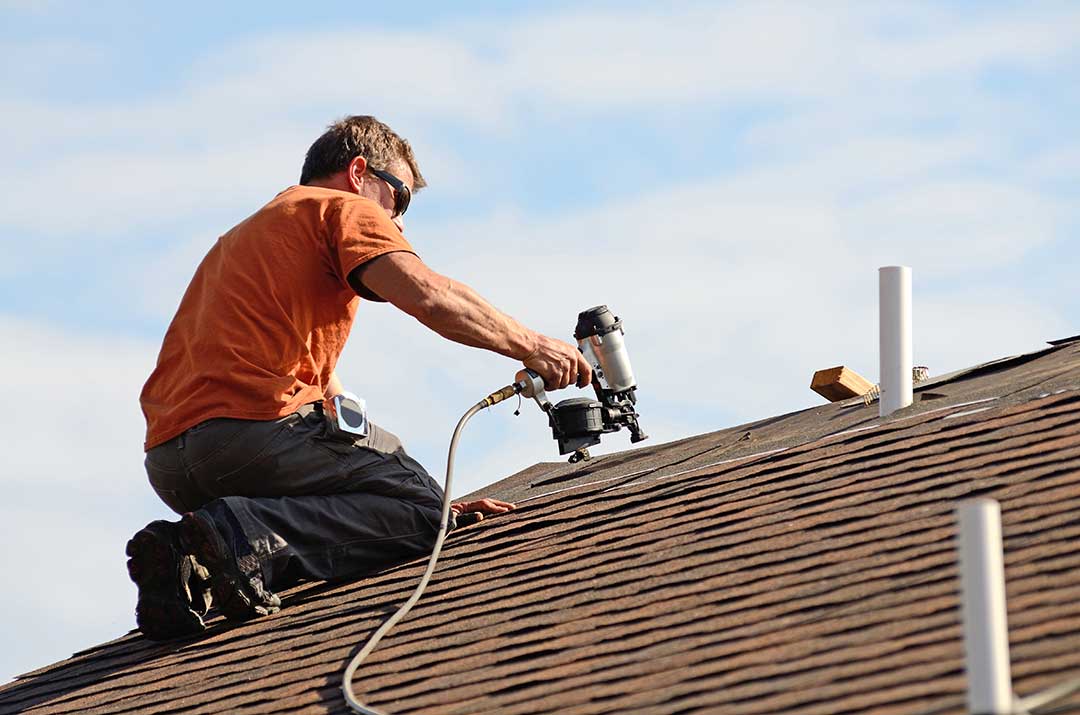
A roof valley is where two sloping roof sections meet. Valleys carry a substantial amount of runoff, so they receive more water than many other roof areas.
Leaks may develop when valley materials are worn, improperly installed, punctured, or covered with debris. Shingles can also shift or break where they meet the valley. Snow and ice may place additional stress on this area during winter.
Valley leaks can be difficult to trace because water may travel along the underside of the roof before appearing inside. A stain on an upper-floor ceiling may originate several feet away from the visible interior damage.
Do plumbing vents and roof penetrations cause leaks?
Roof penetrations are common leak locations because they create openings through otherwise continuous roofing materials. Plumbing vent pipes, exhaust vents, skylights, antennas, and similar features all require carefully sealed transitions.
The rubber or flexible collars around plumbing vents can become brittle over time. Metal flashing may also loosen or corrode. Sealant alone is not a permanent substitute for properly installed flashing because sealants can shrink, crack, or separate from a surface.
A leak that appears near a bathroom, kitchen, or mechanical area may be associated with a roof penetration, but indoor plumbing should also be considered. Water from a pipe, drain, or condensation problem can resemble a roof leak.
Can poor attic ventilation create moisture that looks like a leak?
Yes. Not every ceiling stain comes from rain entering through the roof. Warm, moist indoor air can move into a cold attic and condense on roof nails, sheathing, or insulation.
This moisture may cause:
- Damp insulation
- Dark staining on roof decking
- Mold-like growth
- Frost in winter
- Peeling paint or stained ceilings
- Musty odors
Bath fans, kitchen exhaust, and dryers should discharge outdoors through properly routed ducts rather than into an attic. Air sealing at ceiling penetrations can also reduce the movement of indoor moisture into the roof space.
Condensation often becomes more noticeable during cold Ithaca winters, but it can occur during any season if indoor humidity, ventilation, and roof temperatures are out of balance.
Why can old roofing materials leak even without obvious damage?
Roofing materials become less flexible and less water-resistant as they age. Shingles may lose protective granules, dry out, crack, or become more vulnerable to wind. Underlayment and flashing can deteriorate as well.
Older roofs may still look acceptable from the ground while having hidden weaknesses at edges, valleys, penetrations, and fasteners. Age alone does not prove that a roof is leaking, but it increases the likelihood that several small issues are developing at the same time.
Maintenance records, past repairs, visible surface wear, and the roof’s exposure to weather provide more useful information than appearance alone.
What should residents do after noticing a leak?
The first step is to limit interior damage. Place a container beneath active dripping, move furniture and electronics away from the area, and carefully remove standing water from floors or surfaces.
If water is near light fixtures, outlets, or electrical equipment, avoid touching the area and use the electrical shutoff only if it can be done safely. Sagging drywall may contain a significant amount of water and can become heavy without much warning.
Documenting the location, timing, weather conditions, and appearance of the stain can help distinguish between an active roof leak, condensation, plumbing failure, and an old repaired area. A ceiling stain should not be painted over until the moisture source has been identified and the affected materials have dried.
Roof leaks are often easier to address when the source is found early. Regular observation after heavy rain, strong wind, and snowmelt can reveal loose shingles, damaged flashing, blocked drainage, and other warning signs before water reaches the living space.
