
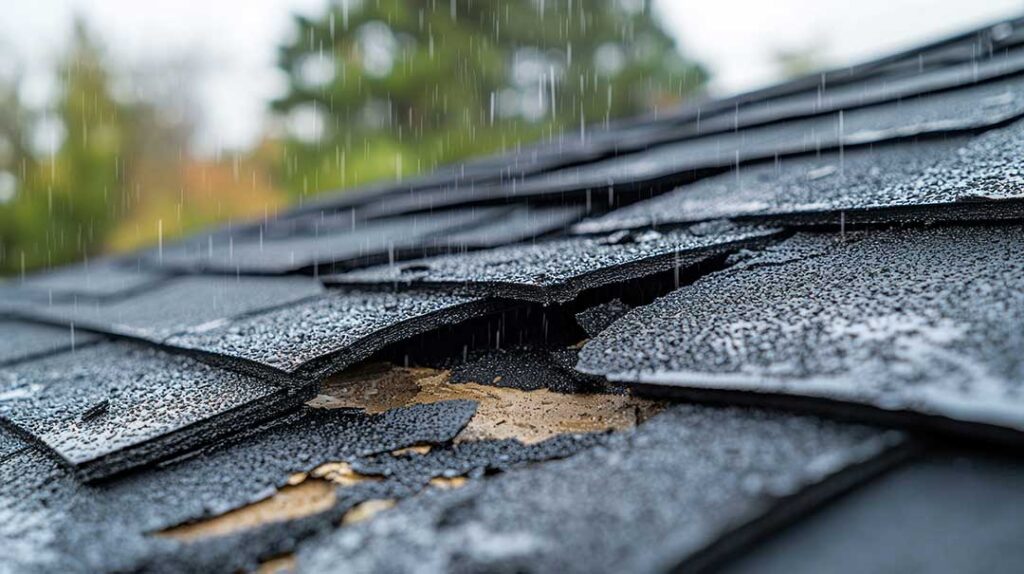
Which roofing materials last the longest?
The most durable roofing materials for homes are generally slate, standing-seam metal, clay or concrete tile, and high-quality synthetic roofing products. Each can perform for decades, but durability depends on more than the material itself. Roof slope, attic ventilation, flashing, underlayment, installation quality, snow exposure, and maintenance all affect service life.
For homes in Ithaca, NY, the most practical choices are often metal roofing, slate where the structure can support it, and well-installed architectural asphalt shingles when budget and roof design make premium materials less suitable. The right material must handle freeze-thaw cycles, summer heat, wind, heavy rain, falling branches, and seasonal snow.
How long do durable roofing materials last?
Typical service-life ranges vary by material and conditions:
- Slate: 75 to more than 100 years
- Copper: 60 to 100 years or longer
- Standing-seam metal: 40 to 70 years
- Clay or concrete tile: 50 to 100 years
- Synthetic slate or composite roofing: 30 to 60 years
- Architectural asphalt shingles: approximately 25 to 40 years
- Wood shakes: approximately 20 to 40 years, with regular maintenance
These are broad planning ranges rather than guarantees. A roof with poor ventilation or recurring leaks may fail much earlier, while a carefully maintained roof in a favorable setting can last beyond its typical range.
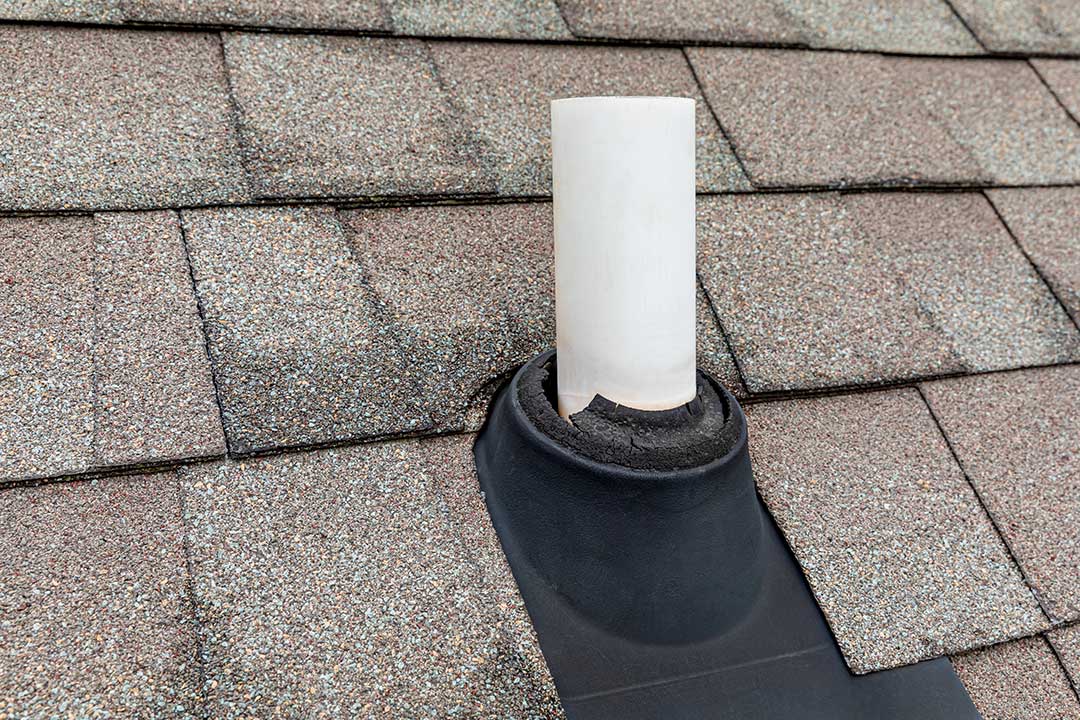
The covering is only one part of the roof system. Water-shedding details around chimneys, valleys, skylights, plumbing vents, and wall intersections often determine whether the roof remains watertight.
Is metal roofing one of the most durable choices?
Yes. Properly installed metal roofing is among the strongest long-term options for residential buildings. Standing-seam systems use concealed fasteners and interlocking panels, which reduce exposed points where water can enter or fasteners can loosen.
Metal roofing handles rain, snow, ice, and wind well when the panels, seams, clips, and edge details are designed for the structure. Smooth surfaces can also help snow slide off, although that creates a separate safety concern near entrances, walkways, and lower roofs. Snow guards may be needed in locations where sliding snow could injure people or damage property.
Metal is not maintenance-free. Scratches, incompatible metals, poorly sealed penetrations, and inadequate ventilation can cause problems. Metal roofs also expand and contract with temperature changes, so the fastening system must allow for movement.
Why is slate considered a long-lasting roofing material?
Natural slate can outlast nearly every common residential roofing material. It resists fire, insects, rot, and ultraviolet exposure, and many older slate roofs remain serviceable after many decades.
The main limitation is weight. Slate is substantially heavier than asphalt shingles and may be heavier than some metal systems. A building must have adequate framing and sheathing to support it, particularly when snow loads are added during winter.
Slate can also break if walked on incorrectly or struck by falling limbs. Repairs require matching thickness, size, color, and fastening methods. This makes slate highly durable but less forgiving of careless maintenance or incompatible repairs.
Are clay and concrete tiles suitable for cold climates?
Clay and concrete tiles can last for many decades, but cold-weather performance depends on the specific product, roof design, and installation details. Tile itself is durable against sunlight, fire, and moisture. The vulnerable points are often cracked pieces, underlayment, flashing, and the structure beneath the tile.
Freeze-thaw cycles can damage tile that is not suitable for the climate or that has absorbed excessive moisture. Concrete tile is also heavy, and clay tile can be brittle under impact. In a snowy climate, the roof must be designed to manage both the weight of accumulated snow and the movement of snow during thawing.
Tile is more common on homes designed for it from the beginning than on older houses being reroofed. Structural capacity and roof slope should be evaluated before selecting it.
How durable are architectural asphalt shingles?
Architectural asphalt shingles are not the longest-lasting roofing material, but they remain a practical choice for many homes. Higher-quality versions have thicker construction, stronger wind resistance, and better weathering performance than basic three-tab shingles.
Their advantages include relatively low weight, broad compatibility with existing roof structures, easier repair, and lower initial cost than slate or tile. In established neighborhoods with older wood-framed houses, these factors can matter as much as maximum service life.
Asphalt shingles are most vulnerable to prolonged moisture, poor attic ventilation, algae growth, wind damage, and repeated ice formation at roof edges. A correctly installed ice-barrier membrane, sound flashing, and adequate ventilation are especially valuable in homes exposed to winter weather.
What makes a roofing material durable in Ithaca?
A durable roof in this region must handle several stresses at once:
- Repeated freezing and thawing
- Snow accumulation and drifting
- Ice forming along colder roof edges
- Heavy spring and summer rain
- Wind-driven rain
- Falling branches and storm debris
- Moisture from shaded areas and nearby trees
- Temperature changes between sunny and shaded roof sections
Roof shape matters as well. Steeper roofs generally shed water and snow more effectively, while low-slope areas require special membrane systems and careful drainage. Roofs beneath mature trees may need more frequent inspection regardless of the covering because leaves, needles, branches, and trapped moisture can shorten the life of any material.
Local building requirements also matter. Changing from a light roof covering to a much heavier material may affect structural calculations, especially when snow loads are considered. Roof replacement and alteration work must follow the applicable New York State building requirements.
Is the most expensive roofing material always the most durable?
No. A costly material can underperform if the roof deck is damaged, flashing is poorly installed, ventilation is inadequate, or water drainage is neglected.
For example, a premium roof covering installed over deteriorated sheathing may develop leaks even though the material itself is capable of lasting many decades. Likewise, a less expensive asphalt roof can provide dependable service when the slope, underlayment, ventilation, and flashing are all appropriate.
The useful comparison is not simply material price. Consider:
- Expected service life
- Weight and structural requirements
- Repair complexity
- Resistance to local weather
- Availability of matching replacement materials
- Maintenance needs
- Compatibility with the existing roof design
- Disposal and replacement costs over the building’s life
Which durable roofing material is best for an older home?
For many older houses, the best choice is the material that matches the structure and roof geometry rather than the one with the longest advertised lifespan. Lightweight metal or premium asphalt shingles may be more practical where framing cannot support slate or tile.
A historic house may also have details such as steep slopes, ornate trim, exposed rafter tails, or irregular roof sections that require careful material selection. Preserving existing flashing and woodwork can be difficult if the replacement system is much thicker or heavier than the original.
Before choosing a material, check the condition of the roof deck, attic ventilation, framing, chimney flashing, valleys, gutters, and drainage paths. Durable roofing begins with a durable roof assembly.
How can homeowners extend the life of any roof?
Regular observation helps prevent small defects from becoming structural damage. Look for missing or lifted shingles, cracked tiles, loose metal trim, damaged flashing, moss, sagging areas, and water stains in the attic.
Keep gutters and downspouts clear, trim branches that rub against the roof, and avoid pressure washing or walking on fragile materials. After major wind or ice events, an inspection may be warranted if damage is visible from the ground or if leaks appear indoors.
The longest-lasting roofing material is not automatically the best choice for every house. In Ithaca, durability comes from matching the covering to the building, accounting for winter loads and moisture, and maintaining the complete roof system rather than focusing only on the surface material.
