
Roof aging does not look the same on every house. Asphalt shingles may lose their protective granules, metal panels may develop fastener or seam problems, and slate may remain serviceable while individual pieces fail. Knowing the roofing material is the first step toward interpreting what visible changes actually mean.
In Ithaca, NY, roofs also face repeated freeze-thaw cycles, winter snow, wind-driven rain, shaded moisture, and summer temperature changes. These conditions can accelerate certain forms of wear, especially where drainage, flashing, ventilation, or attic moisture control is already weak.
How can you tell whether a roof is aging normally or failing?
Normal aging usually appears as gradual, material-specific wear without active water entry or structural movement. Failure is more likely when damage is concentrated, spreading, or accompanied by leaks, sagging, exposed underlayment, or loose roofing components.
A useful inspection starts with three questions:
- What roofing material is installed?
- Is the change cosmetic, or does it affect water-shedding ability?
- Is the problem isolated, or visible across large sections of the roof?
A roof does not need to look new to remain functional. Faded color alone is usually less serious than missing pieces, open seams, damaged flashing, or water stains inside the building.
What does aging look like on asphalt shingles?
Asphalt shingles commonly show their age through loss of granules, cracking, curling, blistering, and thinning. Granules are the small mineral particles that protect the shingle surface from sunlight and weather. Some granule loss is expected over time, but bare or visibly smooth areas indicate that the shingle is becoming less resistant to ultraviolet exposure.
Look for:
- Curled or lifted shingle edges
- Cracks running through individual shingles
- Missing shingles after wind or storms
- Dark patches where granules have worn away
- Shingles that appear brittle, wavy, or uneven
- Granules collecting heavily in gutters or at downspout outlets
Blistering can appear as small raised areas on the shingle surface. It may relate to manufacturing, trapped moisture, or heat within the roof assembly. A few isolated blisters do not automatically mean the entire roof has failed, but widespread blistering deserves closer attention.
On older homes, repeated snow and ice exposure can loosen shingles around eaves, valleys, chimneys, and roof edges. These areas deserve extra inspection because water can enter beneath the visible roofing even when the upper field of the roof looks acceptable.
What are the aging signs on metal roofing?
Metal roofs often age differently from asphalt roofs. The panels may continue shedding water while fasteners, coatings, seams, or penetrations become vulnerable.
Common signs include:
- Rust at cut edges, fasteners, valleys, or areas where water remains
- Peeling or chalking finish
- Loose or missing screws
- Open seams or separated overlapping panels
- Dents that prevent proper drainage
- Corrosion around chimneys, vents, skylights, or roof-mounted equipment
A small amount of surface discoloration is not always a structural concern. Rust becomes more serious when it is deep, spreading, perforating the panel, or occurring around a connection point. Exposed fasteners can also create leak paths if their washers have deteriorated or the screws have backed out.
Standing water is particularly revealing on low-slope metal roofs. Persistent puddling may indicate deflection, blocked drainage, or a problem with the roof’s original design rather than simple age.
How does a slate roof show age?
Slate can last for many decades, but its long service life depends on the quality of the stone, the installation, and the condition of the supporting components. A slate roof may look old while still performing well, or it may contain failing slates that are difficult to identify from the ground.
Watch for:
- Cracked, broken, or slipped slates
- Small pieces missing from the roof surface
- Powdering or flaking slate
- Rusted or failed nails
- Sagging areas in the roof plane
- Damaged flashing around walls, chimneys, and valleys
Slate should not be walked on casually. Individual pieces can break under concentrated weight, and the roof may be damaged even when no immediate leak is visible. Aged slate roofs also require attention to the underlayment and fasteners, which may fail before the slate itself.
Replacing a few broken slates is different from replacing an entire slate roof. The pattern, thickness, and attachment method matter, and mismatched repairs can create uneven weather exposure.
What happens to wood shingles and shakes as they age?
Wood roofing usually shows age through moisture-related deterioration. Shingles and shakes may split, curl, cup, darken, or develop soft areas. Shaded slopes are especially vulnerable because they dry more slowly.
Inspect for:
- Cracks running with or across the grain
- Rounded or thinning edges
- Moss or lichen holding moisture against the wood
- Soft spots or areas that crumble under light pressure
- Loose, missing, or badly distorted pieces
- Visible decay near roof edges, valleys, and penetrations
Surface discoloration by itself does not prove that wood roofing is rotten. The more useful distinction is whether the material remains firm and sheds water. Persistent organic growth can conceal deterioration, particularly on north-facing or tree-shaded slopes.
How can flat or low-slope roofs be evaluated?
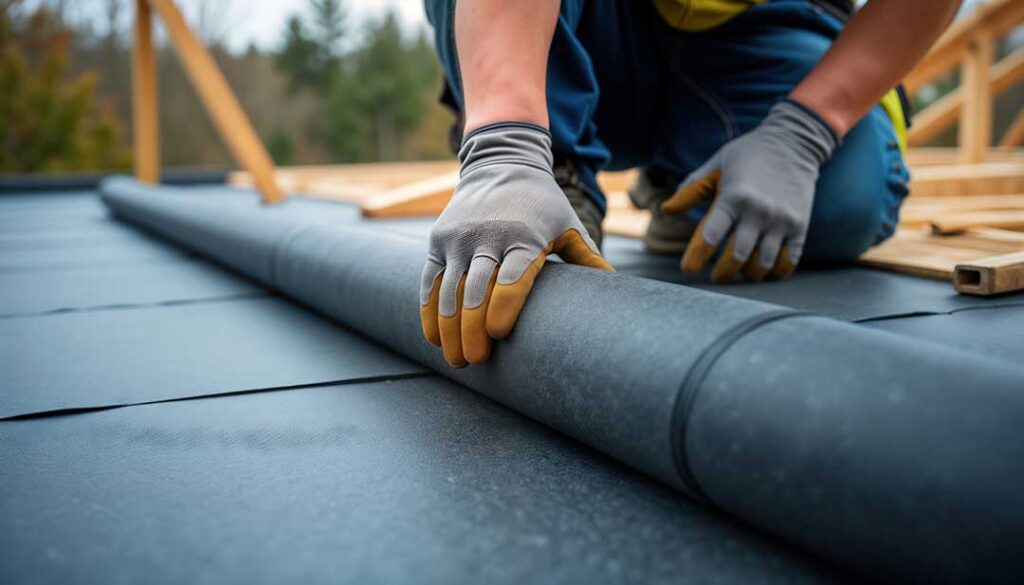
Flat and low-slope roofs often age through drainage and membrane problems rather than visibly missing pieces. Water may remain on the surface after rainfall or snowmelt, increasing stress on seams and penetrations.
Warning signs include:
- Repeated ponding
- Open, shrinking, or wrinkled membrane seams
- Blisters or bubbles
- Cracks around roof penetrations
- Exposed reinforcement or roofing layers
- Damaged drainage outlets
- Interior stains below seams, drains, or parapet walls
A flat roof can leak far from the point where water appears indoors. Moisture may travel along insulation, decking, or framing before becoming visible on a ceiling. For that reason, one interior stain does not always identify the exact exterior defect.
Which interior signs suggest roof aging?
The attic and upper floors often reveal problems before the roof surface does. Look for brown or yellow ceiling stains, peeling paint, damp insulation, musty odors, rusty fasteners, or daylight visible through the roof deck where it should not be.
During cold weather, excessive frost or wet insulation in an attic may indicate air leakage from the living space, inadequate ventilation, or roof-related moisture entry. These conditions can contribute to ice buildup and wood decay even when the roof covering appears intact.
Sagging roof decking or rafters is more urgent than ordinary surface wear. Avoid entering areas that appear unstable, and keep clear of ceilings that are bulging or actively dripping.
How do Ithaca weather conditions affect roof aging?
Seasonal weather can expose weaknesses that remain unnoticed during dry periods. Snow adds temporary weight, while freeze-thaw cycles can enlarge cracks and openings. Wind-driven rain tests flashing and shingle edges, and spring runoff can reveal blocked gutters or poor drainage.
Homes near mature trees may experience additional wear from falling branches, leaf accumulation, shade, and persistent moisture. Gutters, valleys, roof-wall intersections, and chimney flashing often age faster than broad, open roof surfaces.
Roof age should therefore be considered alongside exposure. A roof on a shaded slope may show biological growth sooner than a roof on a sunny slope, while a roof beneath heavy tree cover may collect more debris and experience greater impact risk.
When does visible aging require immediate attention?
Some conditions should not wait for a convenient seasonal inspection:
- Active leaking during rain or snowmelt
- A visibly sagging roof surface or ceiling
- Large sections of missing roofing
- Exposed underlayment or roof decking
- Widespread rust, splitting, or membrane separation
- Water near electrical fixtures
- Damage following a fallen branch or severe wind
Roof observations from the ground are useful, but climbing can be dangerous because wet surfaces, ice, steep slopes, and deteriorated materials are difficult to judge safely. Structural concerns, active leaks, and hazardous access conditions warrant qualified evaluation.
The most reliable assessment combines the roof covering, flashing, drainage, attic, and interior ceilings. A material may still have years of useful service while a localized defect needs prompt correction, or a roof that looks acceptable from the street may have hidden moisture damage below the surface.
