
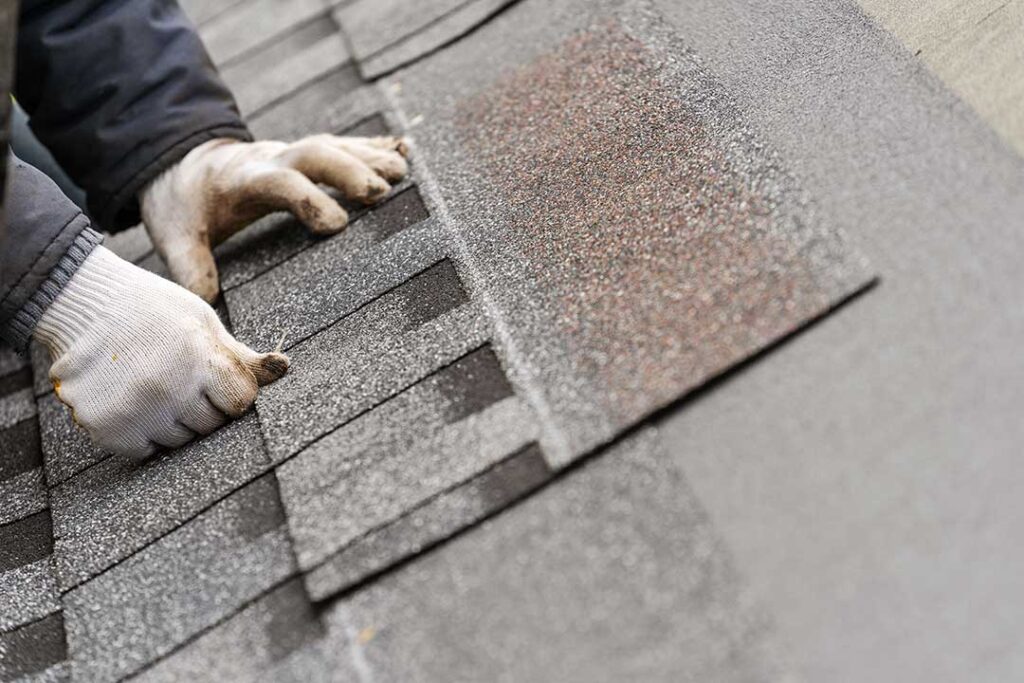
Wildlife can weaken a roof long before a leak becomes visible. Squirrels, raccoons, birds, bats, mice, and insects may enter through small openings, damage roofing materials, contaminate insulation, or create moisture problems in attic spaces.
For households in Ithaca, NY, the risk can increase during cold weather, when animals seek protected nesting areas. Snow, ice, wind, and repeated freeze-thaw cycles can also make small openings easier to enlarge and harder to notice.
Which animals commonly damage roofs?
Squirrels and raccoons are among the most disruptive animals found around rooflines and attics. Squirrels may gnaw through soft materials near soffits, fascia, vents, and roof edges. Raccoons are stronger and can pull apart loose flashing, vent covers, shingles, or sections of deteriorated wood.
Birds may nest beneath loose shingles, inside vents, or around chimney and ridge areas. Their nesting materials can block ventilation openings and hold moisture against roofing components. Droppings may also stain surfaces and contribute to corrosion, particularly around metal flashing and gutters.
Bats generally do not chew through roofing materials, but they can enter through gaps around vents, roof peaks, flashing, and other joints. Their droppings may accumulate in attic areas, creating odor, sanitation, and cleanup concerns.
Mice and other small rodents can use openings that appear too narrow to be a serious problem. Once inside, they may damage insulation and chew wiring or other building materials.
Insects can affect roof integrity in a less obvious way. Carpenter ants, for example, are often associated with damp or deteriorated wood. Their presence may signal an existing moisture problem near a roof leak, failed flashing, clogged gutter, or poorly ventilated attic.
How do animals get into a roof or attic?
Most wildlife does not enter through a large, obvious hole. Access often begins at a weak point such as:
- A loose or missing shingle
- A damaged soffit or fascia board
- A gap around a plumbing or exhaust vent
- A torn screen over a gable, ridge, or soffit vent
- Flashing that has pulled away from masonry or roofing materials
- An uncapped or damaged chimney opening
- A hole created by earlier storm damage
- Tree branches that provide a route onto the roof
Repeated contact can enlarge a minor defect. Squirrels may gnaw at an edge, raccoons may pull at loose materials, and birds may repeatedly carry nesting material into a narrow opening. Once the opening is established, other animals may use the same route.
A roof does not need to be old to experience this type of damage. A relatively newer roof can still have vulnerable penetrations, poorly secured screens, or trim that has been weakened by wind and moisture.
What kinds of damage can animals cause?
Animal-related roof damage usually falls into four categories: physical damage, moisture damage, insulation damage, and contamination.
Physical damage includes torn screens, displaced shingles, broken vent covers, damaged flashing, and holes in wood trim. These defects can allow rain, melting snow, and wind-driven moisture into the roof assembly.
Moisture damage may develop slowly. Nesting material can obstruct ventilation, while droppings and organic debris can retain moisture. Wet insulation may lose effectiveness and can contribute to condensation, staining, mold growth, or wood decay.
Animals may also disturb insulation while creating nests or travel paths. Compressed, displaced, or contaminated insulation can leave cold areas in the ceiling. In winter, uneven attic temperatures may contribute to frost or condensation problems.
Chewed electrical wiring is a separate safety concern. If gnawing is found near wiring, lights, fans, or other equipment, the affected area should not be disturbed unnecessarily until the electrical risk has been evaluated.
What signs suggest an animal has affected the roof?
The most useful clues are often found inside the attic or around the exterior roofline. Look for:
- Scratching, scurrying, chirping, or repeated movement sounds
- Droppings, nesting material, feathers, or fur
- Daylight visible through roof or wall openings
- Torn vent screens or displaced covers
- Shingle edges that appear lifted or disturbed
- Grease marks or rub marks near entry points
- Damaged insulation
- Musty odors or concentrated animal odors
- Water stains near an apparent entry location
- Repeated bird activity at one vent, eave, or roof edge
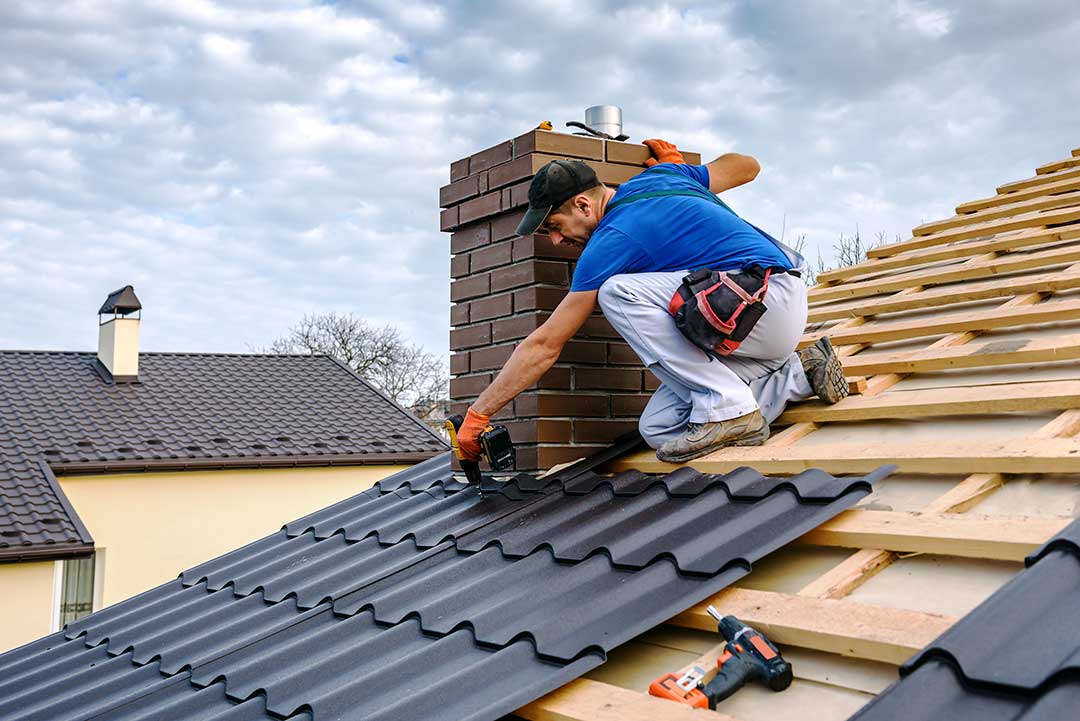
Timing can also provide useful information. Noises at night may suggest raccoons, bats, or rodents, while daytime movement is more commonly associated with squirrels or birds. These patterns are not conclusive, but they can help narrow the inspection area.
Why is winter especially important in Ithaca?
Cold conditions encourage animals to seek enclosed, elevated spaces. Attics can provide shelter from wind, snow, and freezing temperatures, especially where insulation and building heat create a more stable environment.
Snow can hide damaged shingles, blocked vents, and small openings. Ice and freeze-thaw cycles may also widen cracks in deteriorated wood or allow water to enter around flashing. After a storm, animals may take advantage of roof damage that would otherwise remain unnoticed.
Heavy snow accumulation can further limit visibility and make roof access hazardous. Exterior observations from the ground are safer than climbing onto a snow-covered or icy roof.
Should an animal be sealed inside the roof?
No. An opening should not be permanently closed until it is reasonably clear that animals and dependent young are no longer inside. Sealing an occupied space can trap animals, create odor problems, and lead to additional damage as they attempt to escape.
The appropriate response depends on the species, the season, and whether nests, eggs, or young are present. Some wildlife is protected by state or federal rules, and certain removal methods may be restricted. Handling bats, raccoons, or unfamiliar droppings can also create health risks.
A practical first step is to document the suspected entry point from a safe location, avoid direct contact, and determine whether the issue involves an active animal, abandoned nesting material, or a preexisting roof defect.
How can roof-related wildlife damage be reduced?
Prevention focuses on keeping animals away from entry points while preserving proper roof ventilation. Useful measures include:
- Trimming branches that provide direct access to the roof
- Replacing damaged vent screens with durable animal-resistant screening
- Repairing loose fascia, soffits, flashing, and roofing materials
- Keeping gutters clear so moisture does not accelerate wood deterioration
- Checking roof penetrations after major wind, ice, or snow events
- Removing accessible food sources and securing outdoor waste
- Inspecting attic areas periodically for droppings, nests, odors, and damp insulation
Repairs should match the cause of the damage. Covering a hole without addressing nearby moisture, damaged wood, or an active nest may only create a temporary barrier.
When does animal damage require prompt attention?
Prompt attention is warranted when water is entering the building, a large animal is inside, electrical wiring has been chewed, insulation is heavily contaminated, or structural wood appears weakened. A sagging roof edge, active leak, strong odor, or visible daylight in the attic should not be treated as a minor nuisance.
Roof safety also matters. Snow-covered surfaces, steep slopes, unstable ladders, and animal encounters can all create hazards. Observation from the ground is appropriate for many early warning signs, while hazardous access or uncertain wildlife activity may require assistance from a qualified and legally permitted specialist.
