
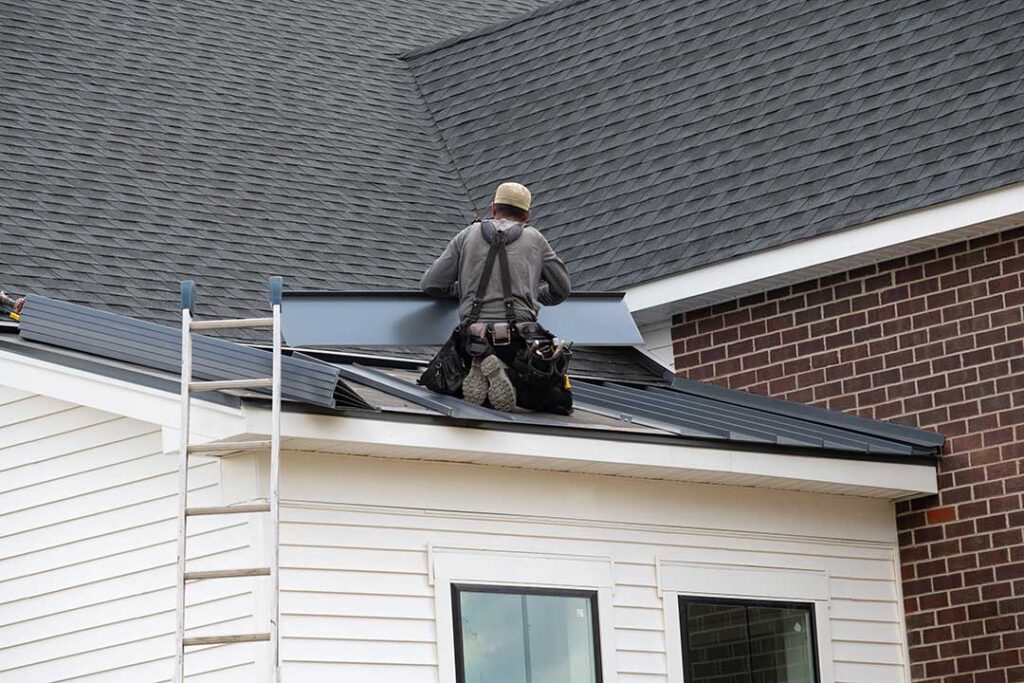
Hurricane season can affect Ithaca, NY even though the city is far inland. Tropical systems that move northward may arrive as heavy rain, strong wind, thunderstorms, and tornado-producing squalls. These conditions can expose weak shingles, clogged drainage systems, loose flashing, damaged trees, and poorly secured outdoor items.
The Atlantic hurricane season officially runs from June 1 through November 30, with the greatest activity usually occurring from August through October. Roof preparation is most useful before a storm is forecast, when there is enough time to inspect the property safely and correct minor problems.
What roof problems should be checked before hurricane season?
A roof should be checked for loose, missing, cracked, or curling shingles, damaged metal components, blocked drainage, and signs of water entry. Small defects can become larger openings during prolonged rain or strong wind.
From the ground, look for:
- Shingles that appear uneven, lifted, or absent
- Loose or bent sections around roof edges
- Damaged flashing near chimneys, plumbing vents, skylights, and wall intersections
- Sagging areas on the roof surface
- Dark stains or peeling paint on ceilings and upper walls
- Granules collecting in gutters or near downspouts
- Moss, leaves, or other debris holding moisture against roofing materials
A roof does not need to be leaking during ordinary rain to be vulnerable during a tropical storm. Wind can lift an already weakened shingle, while wind-driven rain can enter through small gaps around flashing and penetrations.
Do not climb onto a wet, steep, icy, or visibly damaged roof. A ground-level inspection can identify many warning signs, but hazardous conditions require a qualified roofing or building professional for evaluation.
Why do gutters and downspouts matter during a tropical storm?
Gutters and downspouts help move intense rainfall away from the roof, walls, foundation, and basement. If they are blocked or disconnected, water can spill over the roof edge and collect beside the building.
Before the season:
- Remove leaves, twigs, roof granules, and accumulated sediment from gutters.
- Confirm that downspouts are firmly attached.
- Make sure downspout outlets discharge several feet away from the foundation where practical.
- Check for separated seams, sagging sections, and loose fasteners.
- Clear debris from roof valleys and drainage areas.
- Confirm that extensions or splash blocks have not shifted.
Heavy rain can overwhelm even a clean gutter system if the surrounding grade directs water toward the building. Walk around the property during ordinary rainfall and observe whether water pools beside the foundation or flows toward basement windows.
In Ithaca, freeze-thaw cycles can loosen fasteners and open small seams over time. A drainage system that worked well in autumn may need another inspection after winter movement and spring storms.
How should roof edges and flashing be secured?
Roof edges and transition points often experience greater wind exposure than the middle of a roof. Flashing protects places where roofing materials meet walls, chimneys, vents, skylights, and other structures.
Look for:
- Metal flashing that is lifted, rusted through, or visibly separated
- Caulk or sealant that has cracked or pulled away
- Exposed fasteners
- Loose fascia, soffit, or trim boards
- Gaps around vent pipes or skylights
- Missing pieces near roof-to-wall connections
Sealants are not a substitute for properly installed flashing. Applying new caulk over loose or damaged material may hide a problem temporarily without preventing wind-driven rain. Repairs should be completed during dry weather and according to the requirements of the specific roofing system.
Roof-mounted equipment, antennas, satellite dishes, and temporary attachments should also be checked. Anything fastened through roofing materials can create a leak if its mounting points are loose or improperly sealed.
Can nearby trees damage a roof during hurricane season?
Yes. Falling limbs are a common source of roof damage during high winds, even when the roof covering itself is in good condition.
Inspect trees for:
- Dead or broken branches
- Cracks in major limbs
- Branches resting on or rubbing against the roof
- Leaning trunks
- Decay near the base
- Limbs extending over chimneys, roof edges, or utility lines
Do not attempt to remove large, elevated, or partially broken branches from a roof. They may shift unexpectedly, and cutting them can create a serious fall or electrical hazard. Tree work near structures and power lines should be handled with appropriate safety equipment and expertise.
It is also useful to trim branches that repeatedly drop leaves and twigs into gutters. This does not eliminate the need for cleaning, but it can reduce drainage blockage.
What should be secured around the house?
Roof preparation includes the area surrounding the building. During strong wind, loose objects can strike shingles, siding, windows, vehicles, or neighboring structures.
Before severe weather is expected, secure or store:
- Patio furniture
- Grills and lightweight outdoor equipment
- Trash and recycling containers
- Hanging baskets and decorations
- Garden tools
- Portable shelters and canopies
- Loose sections of fencing
- Construction materials and stacked firewood
Check that gutter screens, downspout extensions, chimney caps, and rooftop covers are firmly attached. Do not place heavy objects on a roof to hold materials down. Added weight can damage the roofing system and create another hazard.
Should roof repairs be completed before a storm warning?
Routine repairs should be completed well before a storm threatens the area. Waiting until a warning is issued can make safe access difficult, and temporary emergency repairs may not withstand hours of wind and rain.
Prioritize conditions that can allow water inside:
1. Active leaks
2. Missing or lifted shingles
3. Openings around flashing, vents, or skylights
4. Loose roof-edge materials
5. Blocked or detached drainage components
6. Damaged tree limbs over the structure
If a leak begins during a storm, do not climb onto the roof or use ladders in high wind. Place containers under interior drips, move furniture and electronics away from the affected area, and document visible damage from a safe location. Avoid electrical equipment near wet areas.
What should homeowners document before severe weather?
Photographs taken before hurricane season can make it easier to distinguish older wear from new storm damage. Photograph each roof slope from the ground, along with gutters, flashing, chimneys, skylights, siding, and nearby trees.
Keep records of:
- The approximate age and type of roof covering
- Previous repairs
- Existing stains or damaged materials
- Recent inspection findings
- Insurance policy details and claim procedures
- Important maintenance dates
Store records digitally or in a secure location away from the roof and utility areas. After a storm, photograph damage before making non-emergency repairs, but protect the building from further water entry when it can be done safely.
What is different about hurricane preparation in Ithaca?
For local households, the primary roof concerns are usually wind, heavy rainfall, falling branches, power interruptions, and flooding from overwhelmed drainage systems rather than coastal storm surge. Tropical remnants can still produce dangerous conditions after weakening inland.
Older homes may have multiple roof additions, enclosed porches, steep sections, aging flashing, or roof-to-wall details that deserve careful inspection. Dense tree cover and seasonal leaf accumulation can also make gutter maintenance especially important.
Preparation is most effective when treated as regular property maintenance: inspect after winter, clear drainage before heavy rain, watch for new leaks, keep trees maintained, and secure outdoor items whenever severe weather is expected.
