
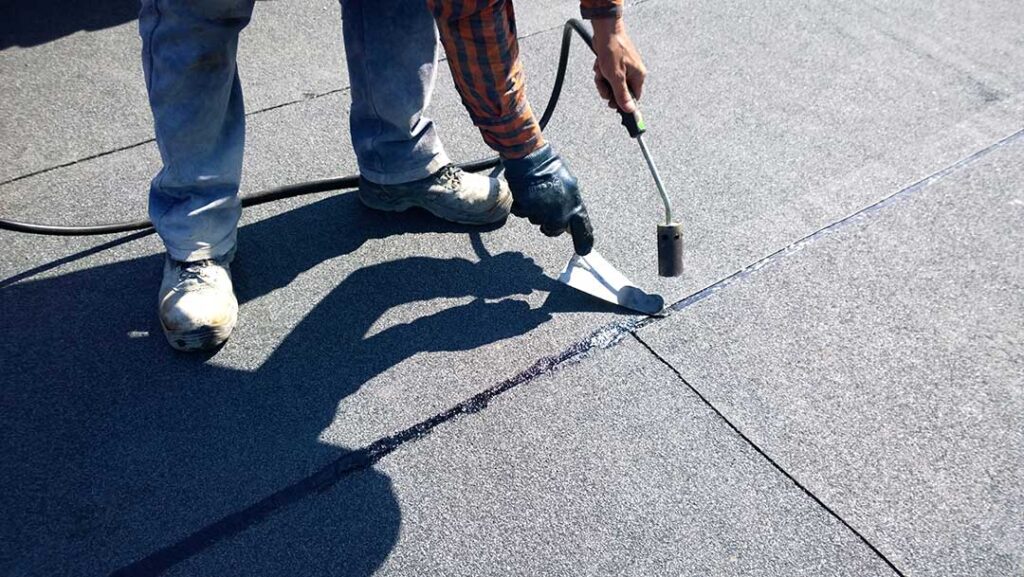
Winter preparation is less about making a roof look new and more about preventing water intrusion, heat loss, ice dams, and damage from snow and wind. In Ithaca, NY, repeated freeze-thaw cycles, lake-influenced weather patterns, snowfall, and winter rain can test roofing materials and drainage systems over several months.
A careful inspection in fall gives homeowners time to address small problems before cold weather makes repairs more difficult.
What should be checked before winter arrives?
The roof should be inspected from the ground first, followed by an attic and interior check. Some warning signs are easy to see, while others appear indoors before they become obvious outside.
Look for:
- Missing, cracked, curled, or loose shingles
- Exposed fasteners or deteriorated flashing around chimneys, skylights, and vents
- Sagging roof lines or areas that appear uneven
- Dark stains, moss, or damaged roofing surfaces
- Gutters pulling away from the fascia
- Downspouts that discharge too close to the foundation
- Loose trim, pipe boots, or vent covers
- Daylight visible through the attic roof deck
A pair of binoculars can help with a ground-level inspection. Walking on a roof that is wet, steep, icy, or covered with debris creates unnecessary fall risk and can damage the roofing surface.
Why do gutters and downspouts matter in winter?
Gutters and downspouts must be clear before freezing weather because blocked drainage can contribute to ice buildup, overflow, and water entry. Leaves, pine needles, granules, and small branches often collect in gutters during autumn.
After cleaning, check that:
- Water can move freely through each downspout
- Downspout extensions carry water away from the foundation
- Gutters slope gently toward their outlets
- Hangers and end caps are secure
- No section holds standing water
A gutter system cannot prevent every ice dam, but good drainage reduces the amount of water that can back up along the roof edge. Gutter cleaning should also be repeated after major leaf fall if the system becomes blocked again.
Avoid using salt or corrosive de-icing products on roof materials or gutters. These products may damage metal components, nearby plants, masonry, and roofing surfaces.
How can ice dams be reduced?
Ice dams form when heat escapes into the attic and warms part of the roof. Snow melts on the warmer section, flows toward the colder eaves, and refreezes. The resulting ice ridge can trap water beneath shingles and allow it to enter the roof assembly or walls.
The most effective prevention focuses on the entire attic system:
- Seal air leaks around attic hatches, plumbing penetrations, wiring, chimneys, and light fixtures.
- Maintain adequate insulation at the attic floor.
- Keep soffit vents open and free from insulation blockage.
- Confirm that exhaust fans discharge outdoors rather than into the attic.
- Maintain balanced intake and exhaust ventilation where the roof design calls for it.
- Keep indoor humidity at a reasonable winter level.
Adding a ridge vent by itself does not solve an attic air-leakage problem. Ventilation and air sealing serve different purposes: ventilation helps exchange attic air, while air sealing limits warm household air from reaching the underside of the roof.
Older homes with additions, enclosed porches, knee walls, or complicated rooflines may have uneven insulation and ventilation. These areas deserve extra attention because they can create isolated warm spots where melting begins.
Should snow be removed from the roof?
Most roofs are designed to carry ordinary winter snow, but heavy, wet snow and ice place greater stress on the structure. Snow drifting around roof transitions, upper roof sections, dormers, and valleys can create uneven loading.
Roof snow removal may be warranted when:
- The roof begins to sag
- Doors or windows suddenly stick
- Cracking, popping, or unusual structural sounds occur
- Interior walls or ceilings develop new cracks
- Snow accumulates deeply and remains wet or compacted
- A low-slope roof has poor drainage
- Snow is concentrated in valleys or against higher roof sections
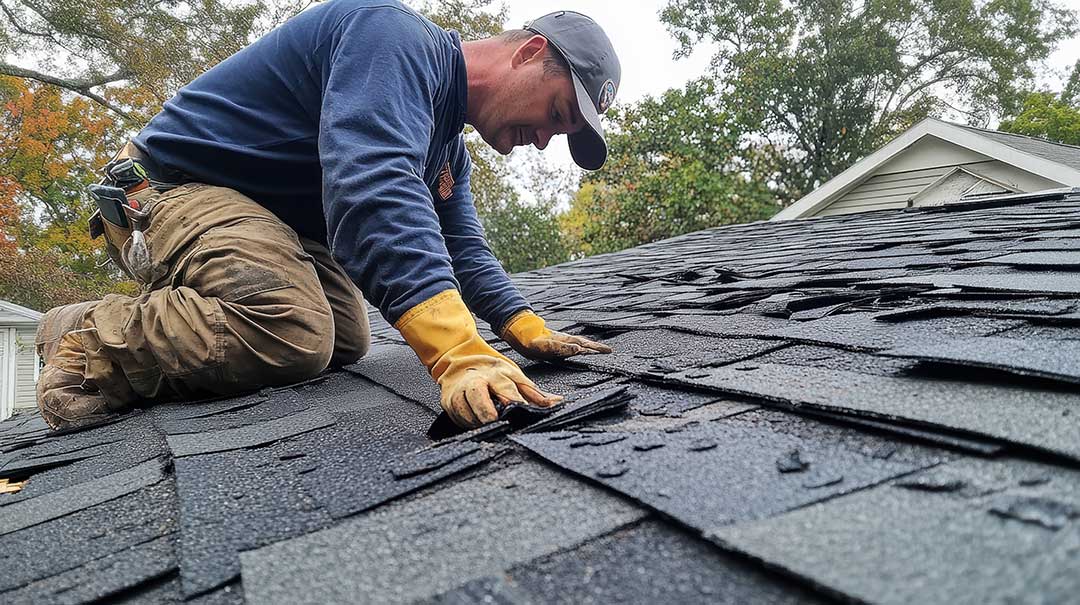
Do not climb onto a snow-covered roof or chip at ice with sharp tools. These actions can cause falls, damage shingles, and create hidden leaks. Snow removal from the ground using equipment designed for that purpose may be safer, but overhead hazards still need to be considered.
If there are signs of structural distress, everyone should stay clear of the affected area while the condition is evaluated by a qualified building or roofing professional.
What should be inspected in the attic?
An attic inspection can reveal problems that are not visible from outside. On a dry day, use a flashlight to check the underside of the roof deck, insulation, rafters, and areas around penetrations.
Look for:
- Damp or compressed insulation
- Frost on nails or roof sheathing
- Water stains or darkened wood
- Mold-like growth caused by persistent moisture
- Rusted fasteners
- Blocked soffit vents
- Compressed insulation around eaves
- Rodent damage to insulation or wiring
Frost in an attic often indicates warm, moist air is entering the space and condensing on cold surfaces. It may disappear during warmer weather, but the underlying air-sealing or ventilation issue remains.
Bathroom and kitchen exhaust fans should terminate outdoors through properly flashed, insulated penetrations. A fan that vents into the attic adds moisture precisely where winter conditions can cause condensation.
How should roof penetrations and flashing be handled?
Flashing directs water away from vulnerable joints. Before winter, inspect the areas around chimneys, skylights, plumbing vents, wall intersections, and roof valleys.
Watch for lifted edges, cracked sealant, rust, gaps, or loose metal. Sealant is not a permanent substitute for properly installed flashing, and applying new caulk over deteriorated materials can hide rather than fix the problem.
Plumbing vent boots deserve special attention because rubber components can crack with age. A small opening around a vent may allow repeated leaks that appear inside as a stain far from the actual entry point.
What indoor warning signs should residents watch for?
Check ceilings, upper-floor walls, and attic-access areas after heavy rain, wind, or snowmelt. New stains, bubbling paint, peeling wallpaper, damp insulation, or musty odors may indicate water entry.
A roof leak does not always appear directly below the damaged area. Water can travel along rafters, decking, insulation, or framing before reaching the ceiling. Marking the edges of a new stain and recording when it appears can help identify whether the issue follows rain, thawing, or plumbing use.
If water is actively entering, protect belongings and avoid electrical fixtures near the affected area. Do not assume a leak has stopped simply because the visible dripping has ended; trapped moisture can continue damaging insulation and framing.
What should be done during winter?
After major storms, inspect the roof from the ground and check gutters, downspouts, attic conditions, and ceilings. Look for new sagging, displaced shingles, heavy ice buildup, or branches resting on the roof.
Keep snow and ice away from exterior doors, furnace vents, dryer vents, and other openings. Roof-related snow removal should never block combustion or exhaust outlets.
For homes with older roofing, previous leak history, complex roof geometry, or visible structural changes, winter preparation may require a closer evaluation before severe weather arrives. Hazardous conditions, steep roofs, structural concerns, and electrical risks are situations where climbing or making improvised repairs is not appropriate.
Preparing a roof for winter is primarily a process of controlling water, managing attic temperature and moisture, and recognizing stress before it becomes damage. Regular observation after storms is just as useful as the initial fall inspection.
