
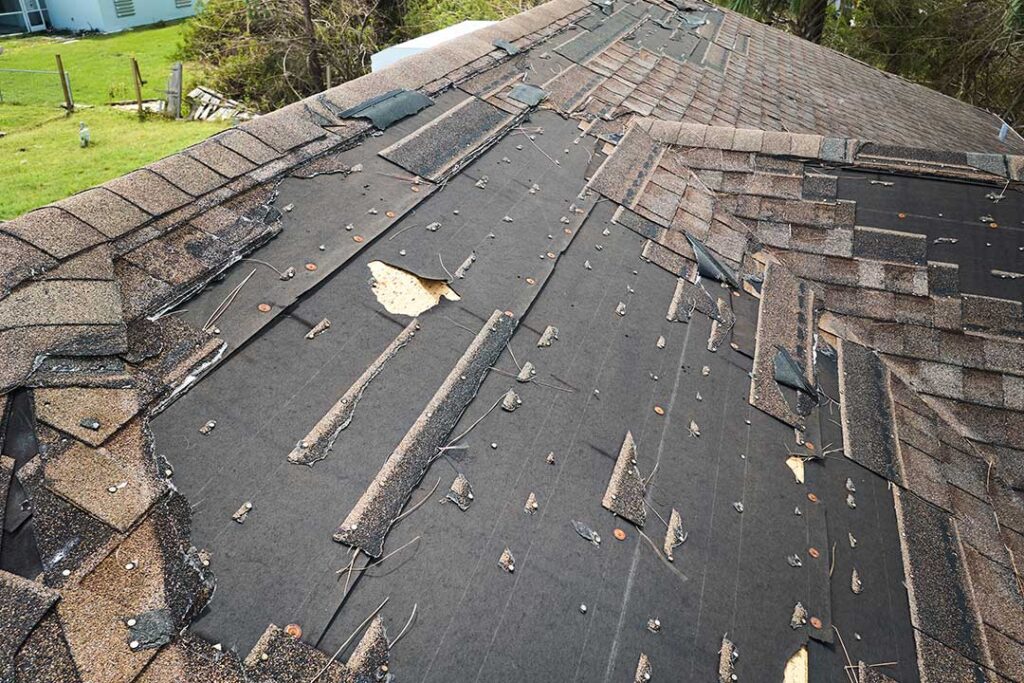
Renovation work can protect and improve a home, but it can also create temporary risks for the roof. Materials may be carried across shingles, ladders may damage roof edges, and an unfinished addition can allow rain or melting snow into the building.
For households in Ithaca, NY, planning around changing weather is especially important. Renovations may overlap with rain, freeze-thaw cycles, snow, wind, and periods of high humidity. A roof-protection plan should be part of the project before demolition or material delivery begins.
Which renovation activities can damage a roof?
Roof damage is not limited to projects that involve removing shingles. Work on siding, windows, chimneys, solar equipment, dormers, additions, and upper-story walls can all affect roofing materials or drainage details.
Common risks include:
- Walking on shingles unnecessarily
- Sliding lumber, drywall, or metal across the roof
- Leaning ladders against gutters, drip edges, or fragile roof sections
- Dropping tools or debris onto the roofing surface
- Cutting materials above the roof
- Blocking valleys, gutters, or downspouts with construction waste
- Removing flashing and failing to reinstall it correctly
- Leaving roof openings exposed overnight
- Driving fasteners through roofing materials without sealing the penetration
Older homes may have brittle shingles, aging flashing, or roof sections with limited remaining service life. A surface that appears sound from the ground may not tolerate repeated foot traffic or construction activity.
How should the roof be inspected before work starts?
Before renovation begins, document the roof’s condition and identify areas that need protection. This creates a practical reference if damage is discovered later and helps the project account for weak or vulnerable sections.
Check for:
- Loose, cracked, curled, or missing shingles
- Soft areas or visible sagging
- Damaged chimney, wall, or plumbing flashing
- Gutters that are pulling away from the roof edge
- Downspouts that discharge too close to the foundation
- Moss, leaves, or debris in valleys and drainage paths
- Existing leaks, stains, or damp insulation in the attic
Photographs should show roof edges, valleys, penetrations, chimneys, skylights, and nearby landscaping. It is also useful to record the location of interior ceiling stains, even if they appear unrelated to the renovation.
A roof that already has an active leak should not be treated as a minor background issue. Construction vibrations, temporary coverings, and new penetrations can make the problem worse.
What should be done before ladders, scaffolding, or materials arrive?
Access planning prevents many avoidable problems. Ladders should rest on stable ground whenever possible rather than against gutters or roof surfaces. If roof access is unavoidable, workers should use designated paths and avoid stepping on exposed edges, valleys, skylight panels, and areas with visible damage.
Scaffolding and lifts should be positioned so they do not press against gutters, soffits, fascia, or roof overhangs. Protective padding can reduce contact damage, but padding does not make an unstable setup safe.
Materials should be stored on the ground or on a properly designed platform, not piled directly on the roof. Concentrated loads from stacks of shingles, bricks, tile, stone, or lumber can stress roof framing and may cause localized deflection.
A temporary walkway or roof protection system may be appropriate for repeated access, but it must be installed so that it does not trap water, scrape the surface, block drainage, or create a trip hazard. Improvised plywood placed directly over shingles can cause abrasion, retain moisture, or shift during wind.
How can a roof be protected during exterior renovations?
The right protection depends on the work being performed and the roofing material. A roof covering should not be assumed to withstand construction traffic simply because it is designed to resist weather.
For siding, window, and wall projects:
- Keep ladders away from roof edges when another access method is available.
- Use debris nets or controlled drop zones rather than allowing waste to fall onto the roof.
- Remove nails, screws, and sharp offcuts promptly.
- Sweep or blow debris from gutters and valleys at the end of each workday.
- Do not drag tarps, tools, or equipment across shingles.
- Protect skylights from falling materials, but do not place heavy objects on their frames.
For masonry or chimney work, protect the roof from falling mortar, brick fragments, and metal tools. Mortar droppings can harden in drainage channels and may stain or damage roofing materials. Cleanup should be performed carefully so that sharp fragments are not ground into the surface.
If an addition or dormer is being built, the roof transition deserves special attention. New walls, slopes, valleys, and flashing details must direct water onto the roof surface, not behind the existing roofing or into wall cavities.
What is the safest way to cover an unfinished roof?
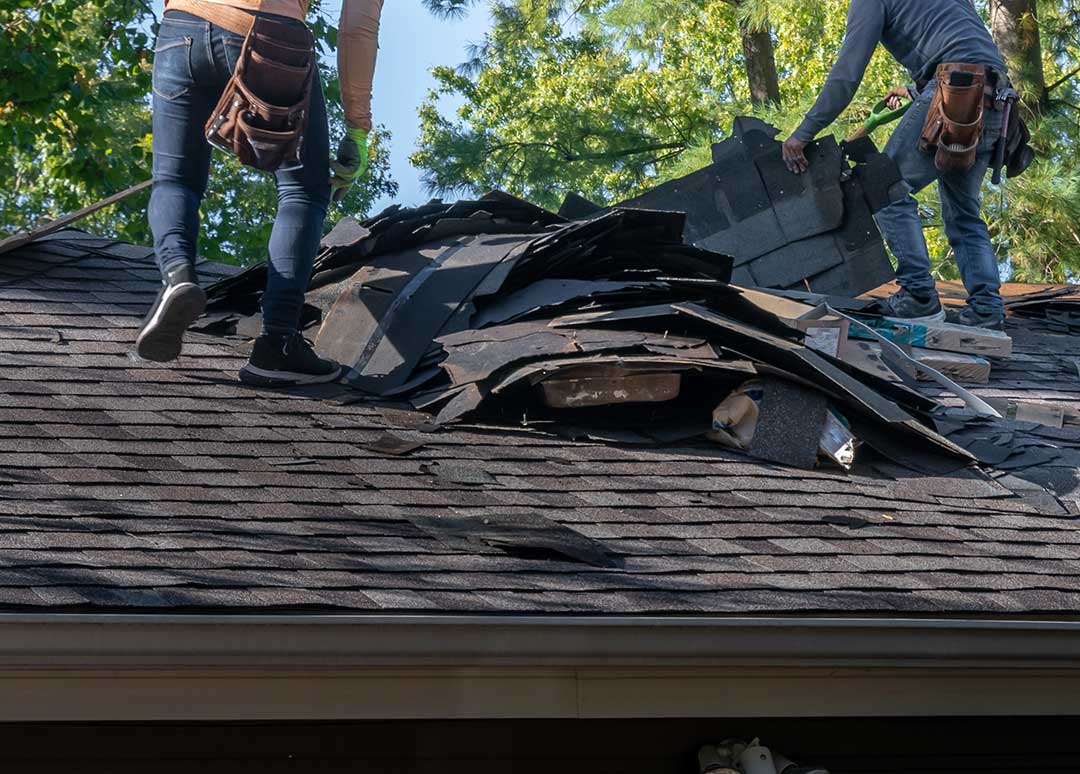
An unfinished roof should be covered with a properly secured temporary weather barrier, but a loose tarp is not a complete roofing system. Water can enter through seams, fastener holes, edges, valleys, and areas where the covering collects snow or ice.
Temporary coverings should:
- Extend far enough to direct water beyond the opening
- Be secured without creating unnecessary roof penetrations
- Shed water rather than form low pockets
- Remain tight during wind
- Allow appropriate ventilation where needed
- Be inspected after heavy rain, snow, or strong wind
Plastic sheeting can trap condensation against wood framing and roofing materials. A covered opening may therefore develop moisture problems even when rain is not entering directly. Interior areas should be checked for damp insulation, wet decking, or musty odors after the roof is temporarily closed.
In Ithaca, freeze-thaw conditions can make temporary protection less reliable. Water that enters a small gap may freeze, expand, and enlarge the opening. Snow should not be allowed to accumulate against an unsupported tarp or partially framed roof section.
How should weather affect the renovation schedule?
Roof-related work should be planned around weather rather than treated as a fixed sequence that continues regardless of conditions. Rain can make roof surfaces slippery, while wind can lift coverings and move lightweight materials. Snow and ice create fall hazards and add temporary loads.
Before leaving a project overnight, confirm that:
- Every opening is covered and secured
- Loose materials are tied down or moved indoors
- Gutters and downspouts are clear
- Temporary flashing is not lifting
- Water is not draining toward an exposed wall or foundation
- Interior ceilings and attic areas show no new moisture
Work should pause when roof access becomes unsafe. Cold temperatures can also affect the performance of sealants, membranes, and adhesives. Materials may need specific installation conditions to bond properly or remain flexible.
What renovation mistakes cause the most roof leaks?
Many leaks result from small details rather than obvious holes. Common examples include nails placed too close to flashing, missing step flashing where a roof meets a wall, unsealed pipe penetrations, and improperly installed valley materials.
Another frequent mistake is covering a problem without correcting the drainage path. For example, a tarp may divert water toward a wall, while construction debris may force runoff beneath shingles or behind fascia.
Roof penetrations should be limited and planned. Antennas, vents, conduit, railings, and temporary anchors all require compatible flashing and weather sealing. Sealant alone is not a substitute for correctly integrated flashing, especially where water or snow can remain for extended periods.
When is professional help necessary for safety or compliance?
Some renovation tasks require specialized knowledge or equipment, particularly when they involve steep roofs, fragile materials, structural changes, electrical systems, asbestos-containing materials, or work near overhead utilities. Local building requirements may also apply to structural alterations, roof replacements, insulation, ventilation, and stormwater management.
A qualified inspection is sensible if the roof has sagging, widespread deterioration, recurring leaks, suspected structural damage, or an opening that cannot be secured before bad weather. Emergency coverings should be treated as temporary measures, not as a replacement for correcting the roof assembly.
Protecting the roof during renovation is mainly a matter of controlling access, managing materials, planning for water, and checking the work after each weather event. Those steps help prevent a construction project from creating damage that appears only after the walls are closed and the season changes.
