
A roof problem rarely stays limited to the roof. A missing shingle, a small flashing gap, or a slow leak can allow water to reach insulation, ceilings, framing, electrical components, and finished living spaces. The longer moisture remains unnoticed, the more complicated and expensive the repair usually becomes.
For households in Ithaca, changing seasons add stress to roofing materials. Snow, ice, wind, heavy rain, freeze-thaw cycles, and spring runoff can enlarge defects that initially appear minor.
How does a small roof leak become a major repair?
A small leak can spread beyond the point where water first appears indoors. Roofing underlayment, roof decking, insulation, wall cavities, and ceiling materials may absorb moisture before a stain becomes visible.
Water can travel along rafters, trusses, wiring, or plumbing before dripping into a room. That means the location of a ceiling stain does not always identify the location of the roof failure.
A developing leak may eventually cause:
- Soft or weakened roof decking
- Stained, sagging, or collapsed ceilings
- Damp insulation with reduced performance
- Rot in rafters, fascia, or wall framing
- Peeling paint and damaged plaster or drywall
- Corrosion around electrical connections
- Mold growth in persistently damp materials
The first cost may be a simple repair. The later cost may involve removing interior finishes, replacing structural wood, drying the building, and correcting the original roof problem.
What does ignored roof damage usually cost?
There is no single price because the outcome depends on the roof’s age, slope, materials, leak location, and how long moisture has been present. The pattern is predictable, however: deferred maintenance tends to convert a localized repair into several connected repairs.
A neglected issue may progress through these stages:
1. Roof-covering damage: A few shingles, tiles, seams, or fasteners fail.
2. Water-management failure: Flashing, valleys, vents, or gutters stop directing water properly.
3. Decking damage: The wood beneath the roof covering absorbs repeated moisture.
4. Interior damage: Insulation, ceilings, walls, flooring, or personal property are affected.
5. Structural concerns: Framing may weaken if decay continues.
6. Broader restoration: Drying, demolition, mold control, and reconstruction become necessary.
The roof covering itself is often only one part of the final bill. Interior repairs, temporary protection, debris removal, and correcting hidden moisture can add substantially to the total.
Why are leaks especially troublesome during winter?
Cold weather does not stop roof damage. It can make certain problems harder to detect and more likely to spread.
Ice can form along eaves when heat escapes through the attic and melts snow higher on the roof. Water may then collect behind the ice and move beneath roof coverings. This is commonly known as an ice dam. It can wet roof edges, soffits, insulation, and exterior walls.
Snow and ice also add weight. A sound roof is designed for expected loads, but existing decay, damaged framing, poor drainage, or uneven snow accumulation may reduce its margin of safety.
Winter conditions can conceal warning signs until warmer weather arrives. By spring, a homeowner may discover swollen wood, stained ceilings, musty odors, or deteriorated flashing that has been exposed to moisture for months.
Can a roof leak affect indoor air quality?
Yes. A roof leak can contribute to mold growth when building materials remain damp. Mold does not require a dramatic flood; repeated small leaks and trapped condensation may be enough.
Common warning signs include:
- Musty odors near ceilings, attic areas, or exterior walls
- New dark spotting on drywall or wood
- Peeling paint or bubbling surfaces
- Damp insulation
- Persistent indoor humidity
- Staining that returns after being cleaned
Mold is not always visible. Moisture can remain inside wall cavities or beneath insulation. Cleaning the visible stain without stopping the water source usually does not solve the underlying problem.
Wet materials should be dried promptly. Porous materials that remain damp may need removal, particularly when they are damaged, contaminated, or affected by extensive mold growth.
What roof problems are easiest to overlook?
Some of the most expensive damage begins with areas that are not obvious from the ground.
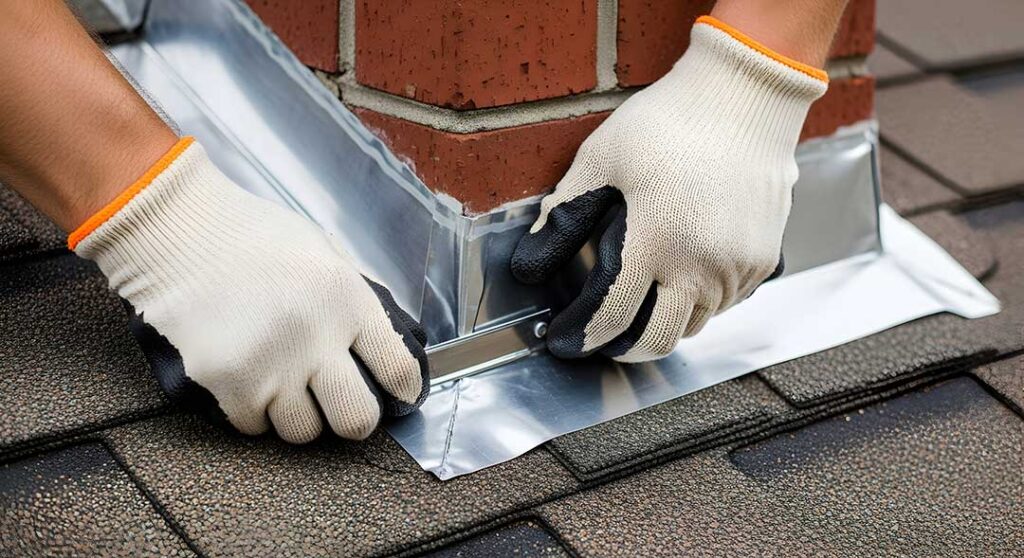
Flashing around chimneys, skylights, plumbing vents, and roof-to-wall intersections can loosen or deteriorate. Valleys collect concentrated water and debris. Gutters that overflow may repeatedly wet fascia, soffits, siding, and foundation areas.
Attic ventilation and insulation problems can also contribute to moisture. Warm, humid air entering a cold attic may condense on roof sheathing, creating damage that looks like a roof leak even when the roof covering is intact.
Homeowners may also overlook:
- Granules collecting in gutters
- Shingles that are cracked, curled, or missing
- Exposed nail heads
- Sagging roof lines
- Daylight visible through roof decking
- Damp or compressed attic insulation
- Rust around metal flashing
- Water stains that appear only after wind-driven rain
A roof does not need to visibly cave in to have a serious problem. Repeated small signs deserve attention because they often indicate ongoing moisture movement.
Does delaying a roof repair affect insurance coverage?
Insurance policies differ, but many distinguish between sudden damage and deterioration caused by wear, neglect, or lack of maintenance. A storm may damage a roof, while long-term deterioration may be treated differently.
Documentation can become useful if a claim is ever considered. Records may include dated photographs, notes about when a leak was discovered, weather conditions, temporary measures, and evidence that routine maintenance was performed.
This does not guarantee coverage. Policy language, exclusions, deductibles, and the cause of damage control the outcome. Delaying action after discovering a leak can also make it more difficult to separate the original event from later deterioration.
When is a roof problem an urgent safety issue?
Some conditions should not wait for a convenient repair window. Immediate caution is appropriate when there is:
- A visibly sagging ceiling
- Water near light fixtures, outlets, or electrical equipment
- Active leaking during heavy rain
- Large sections of missing roof covering
- Structural movement or a sagging roof line
- Heavy snow or ice combined with cracking, popping, or unusual deflection
- A fallen tree limb or other major impact
Avoid standing beneath a sagging ceiling or walking on a roof covered with snow, ice, or loose materials. If water is near electrical components, shut off power only if it can be done safely and without entering standing water.
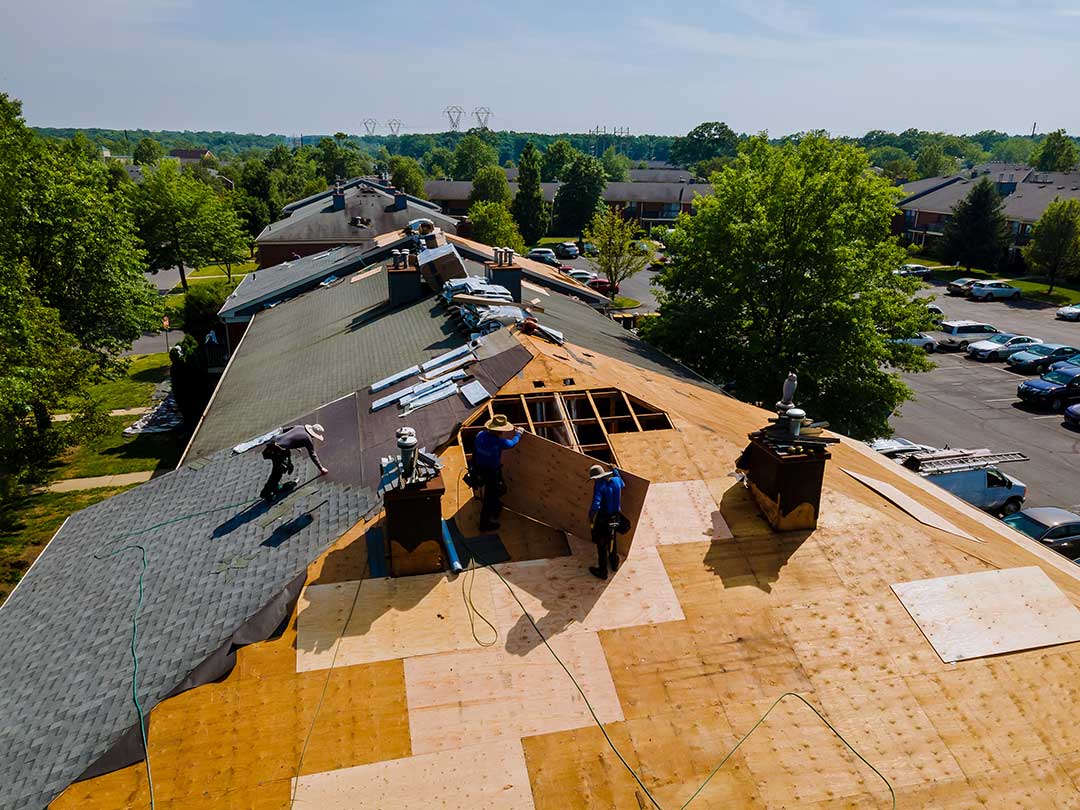
Roof work involving steep slopes, unstable surfaces, severe weather, or structural damage presents real fall and collapse hazards. Those conditions may require qualified assistance rather than routine homeowner maintenance.
What practical steps help limit the damage?
The most useful response is to identify and control moisture before it spreads.
Inside the home, place containers under active drips, move valuables away from wet areas, and document visible damage. In the attic, avoid stepping between structural supports because ceiling materials may not support body weight.
From the ground, look for displaced roof coverings, overflowing gutters, damaged flashing, and sagging areas. Do not climb onto an icy or wet roof to inspect it.
After a storm, a quick visual check can reveal problems before they become concealed by snow or covered by new growth. Keeping gutters and drainage paths clear also reduces repeated wetting around roof edges.
The true cost of ignoring roof trouble is not limited to replacing a few shingles. It can include damaged framing, wet insulation, mold control, interior reconstruction, lost belongings, and safety risks. Early attention cannot prevent every roofing failure, but it can keep a localized problem from becoming a whole-house repair.
