
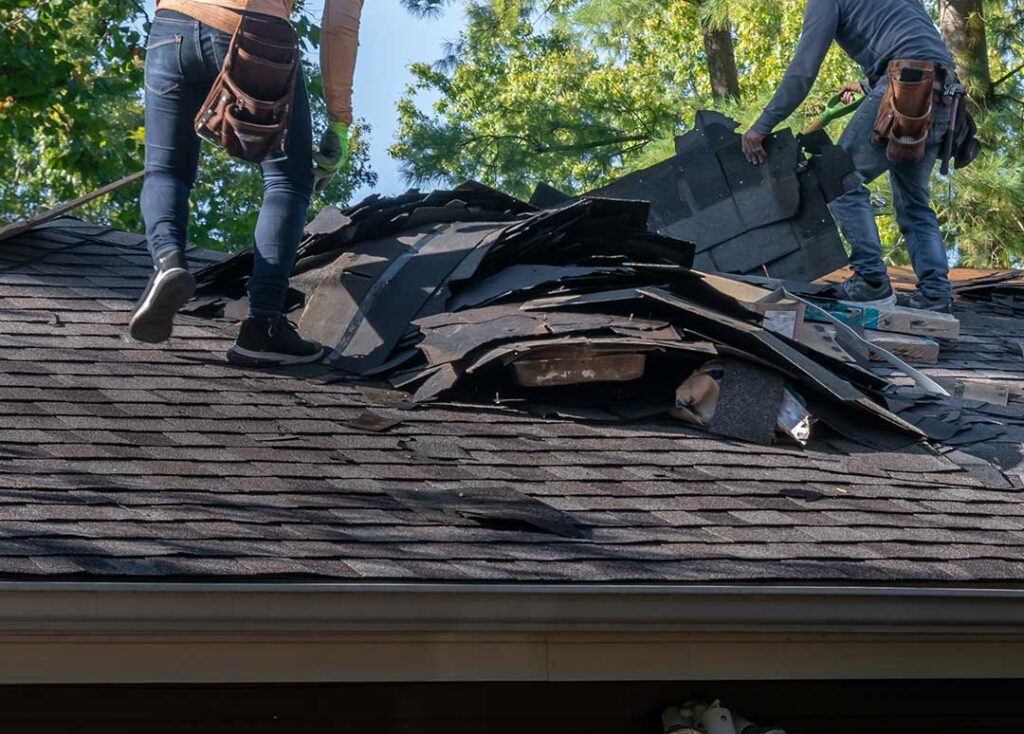
Roof repairs are easier to manage when the company is evaluated on more than price. The right choice depends on accurate diagnosis, clear documentation, safe work practices, appropriate insurance, and a repair plan suited to the building and local weather.
What should a roofing company explain before recommending repairs?
A trustworthy roofing company should identify the source of the problem, explain whether the damage is limited or widespread, and separate urgent repairs from work that can wait.
A roof leak does not always begin directly above the stain on a ceiling. Water can travel along roof decking, rafters, insulation, flashing, or wall cavities before becoming visible indoors. A careful inspection should consider:
- Shingles, metal panels, slate, or other roof covering
- Valleys, ridges, and roof-to-wall transitions
- Chimneys, plumbing vents, skylights, and other penetrations
- Flashing around dormers and additions
- Gutters, downspouts, and areas where water may back up
- Signs of ice-related damage or wind displacement
- The condition of the roof deck beneath the visible covering
Ask for an explanation in plain language. If the recommendation is to replace a large section, the company should be able to show why a smaller repair would not be durable. Photographs are useful because they create a record of the observed condition without requiring a homeowner to walk on a steep or damaged roof.
How can homeowners compare roofing companies fairly?
Compare the scope of work, not just the total price. Two proposals may appear different because one includes more preparation, better access equipment, disposal, flashing work, or interior protection.
A written proposal should describe:
- The suspected cause of the damage
- The exact areas to be repaired
- Materials to be used
- Whether damaged decking or underlayment is included
- Flashing removal, replacement, or reuse
- Protection for landscaping, siding, windows, and walkways
- Cleanup and disposal of roofing debris
- Labor and material warranties
- Payment terms and conditions for additional work
Be cautious about proposals that use broad language such as “repair roof as needed” without defining what that means. Also be careful with unusually low prices. A low bid may omit rotten decking, flashing replacement, ice-and-water protection, permit-related work, or final cleanup.
The most useful comparison is often a short list of questions sent to every company being considered. Consistent answers make it easier to identify differences in methods and assumptions.
What insurance and business information should be verified?
Before work begins, request current proof of liability insurance and workers’ compensation coverage where applicable. Insurance documents should come from the insurer or be otherwise verifiable, rather than relying only on a verbal statement.
Ask for the company’s legal business name, physical mailing information, and a written contract. A company that avoids basic paperwork may also be difficult to reach if a leak returns or a payment dispute develops.
New York does not use one statewide home-improvement contractor license for every location and trade. Local requirements can vary, so homeowners should check whether the applicable municipality requires registration, licensing, permits, or specific insurance documentation for the proposed work.
A company’s willingness to explain these details is more meaningful than a badge, slogan, or online rating. Reviews can provide useful background, but they should not replace verification of insurance, contract terms, and recent roofing experience.
Does roofing work require a permit in Ithaca?
Roofing permits depend on the location, the type of work, and the authority having jurisdiction. In Ithaca, NY, the city’s building information identifies roofing among the types of work that may require a building permit. Requirements can differ for properties outside the city limits or in other municipal jurisdictions.
The homeowner should ask two separate questions:
1. Is a permit required for this specific repair?
2. Who is responsible for obtaining it?
The answer should appear in the written agreement. If a permit is required, the company should not suggest that the homeowner avoid it simply because the repair seems small. Permits can involve code compliance, inspection, insurance documentation, and records that may matter during a future sale or insurance claim.
Older homes, landmark properties, and buildings in designated historic areas may have additional review requirements. Repairing a roof with the same materials may be treated differently from changing its design or covering.
What local conditions should influence the repair plan?
Ithaca’s freeze-thaw cycles, winter snow, wind, spring rainfall, and shaded or wooded settings can all affect roof performance. A repair that looks adequate in dry weather may fail if it does not address water flow, flashing movement, or recurring ice buildup.
A company should consider:
- Whether snow and ice accumulate in valleys or behind roof features
- If gutters are blocked, undersized, sagging, or poorly pitched
- Whether attic ventilation and insulation contribute to ice dams
- How tree branches or nearby vegetation affect the roof
- Whether steep slopes or limited access require special fall protection
- How quickly temporary weather protection is needed
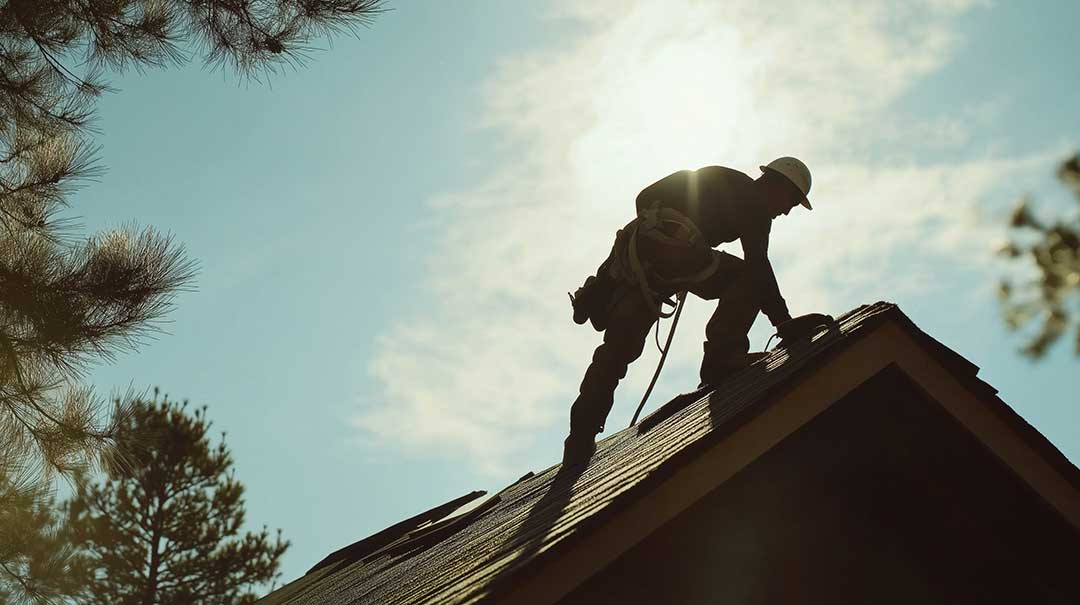
Ice dams are frequently misunderstood. They may be worsened by heat escaping into the attic, but roof shape, ventilation, insulation, snow cover, and outdoor temperature all play a role. Simply adding more shingles over the affected area may not solve the underlying problem.
How should emergency roof damage be handled?
After a severe storm, the first priority is preventing further water entry without creating additional damage. Temporary tarping or other weather protection may be appropriate when safe access is available, but homeowners should not climb onto a wet, icy, or visibly unstable roof.
A clear emergency arrangement should state:
- What temporary work will be performed
- Whether the charge is separate from permanent repairs
- How long the temporary protection is expected to last
- Whether the temporary work will be credited toward later repairs
- What evidence will be provided for insurance purposes
Avoid signing a broad agreement under pressure if the roof is not actively allowing water into the building. Emergency conditions can justify prompt action, but they do not eliminate the need for written terms.
What are warning signs of an unreliable roofing company?
Certain patterns deserve caution:
- Pressure to sign immediately
- A demand for full payment before work starts
- No written scope of work
- Refusal to provide insurance information
- A diagnosis based only on a quick glance from the ground
- Claims that permits are never needed
- Unexplained “storm damage” findings
- A proposal that changes substantially after work begins
- Requests to pay a different person or business than the one named in the contract
A legitimate repair may uncover concealed damage, especially around valleys, chimneys, and roof edges. However, additional work should be documented with photographs, an explanation of the cause, and a revised price before it proceeds whenever conditions allow.
What should homeowners do after the repair?
Keep the contract, invoices, photographs, permit records, warranty information, and communications in one place. After completion, inspect the ground and accessible exterior areas for debris, exposed fasteners, damaged landscaping, or blocked drainage.
From inside the building, check the repaired area during the next substantial rainfall if practical. Look for new staining, musty odors, damp insulation, or continued dripping. A repaired leak should not be dismissed as normal drying if moisture continues or spreads.
The best roofing decision is not necessarily the cheapest bid or the largest company. It is the option that provides a defensible diagnosis, a specific scope of work, appropriate documentation, safe methods, and a repair plan that accounts for the building’s age, design, and seasonal exposure.
