
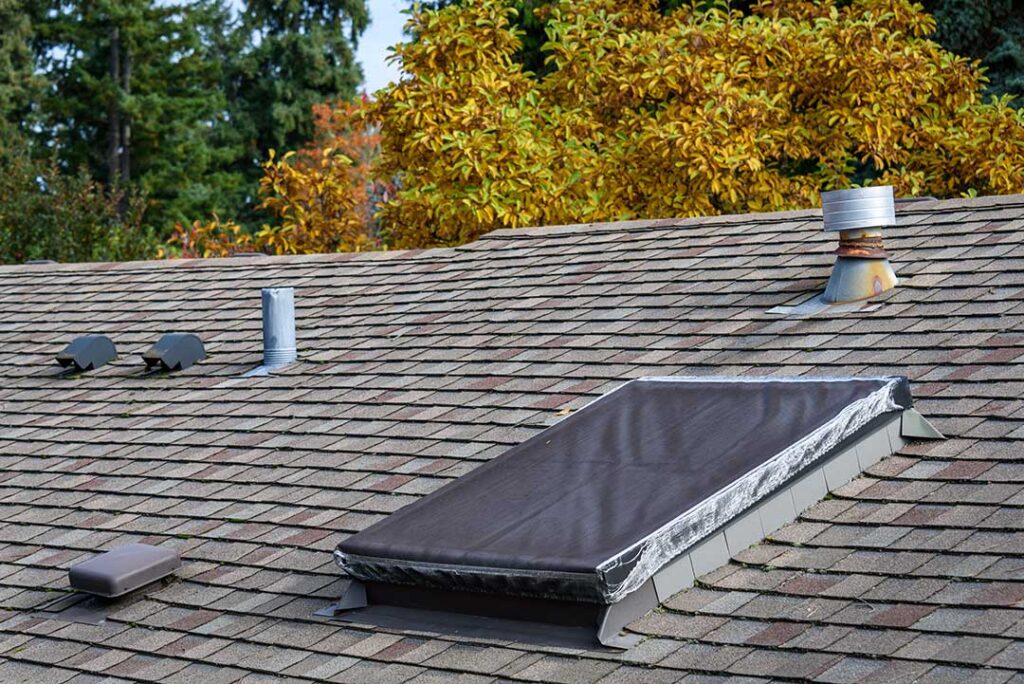
How often should a roof be inspected?
Most homes benefit from a roof inspection once a year, with an additional check after severe weather or a noticeable change in the roof’s condition. For homes in Ithaca, NY, early fall is often a practical time for a routine inspection because the roof can be reviewed before snow, ice, and repeated freeze-thaw cycles place extra stress on exposed materials.
Annual inspections do not guarantee that a roof will avoid problems. They do make it easier to find small defects before they become leaks, interior water damage, or structural concerns. A roof may also need to be inspected sooner if it is older, shaded by trees, difficult to see from the ground, or has a history of repairs.
Why is early fall a useful inspection time?
Early fall allows homeowners to address maintenance issues before winter weather becomes persistent. In the Ithaca area, roofs may face snow accumulation, ice formation, wind, falling branches, and rapid temperature changes during the colder months.
An inspection before winter can identify:
- Loose, cracked, or missing shingles
- Deteriorated flashing around chimneys, vents, and wall intersections
- Damaged pipe boots or other roof penetrations
- Sagging areas or signs of weakened decking
- Gutters and downspouts that are blocked or pulling away
- Moss, algae, or debris holding moisture against the roof
- Inadequate attic ventilation or signs of excess moisture
Fall is not the only suitable season. Late spring is also helpful because winter conditions may reveal damage that was not visible beforehand. A spring inspection can identify lifted shingles, damaged flashing, clogged drainage systems, and water entry that occurred during snowmelt.
Should a roof be inspected after a storm?
Yes. A roof should be checked after unusually strong wind, hail, heavy rain, a large snowfall, or a nearby tree or branch impact. Visible damage is not always obvious from the ground, and water may enter through a small opening before a ceiling stain appears.
After a storm, look for safe-to-observe signs such as:
- Shingles or roofing pieces in the yard
- Exposed underlayment or bare patches
- New dents or dark marks on metal flashing, vents, or gutters
- Fallen branches resting on the roof
- Granules collecting heavily near downspouts
- New leaks, damp insulation, or water stains in the attic
- Daylight visible through the roof deck or attic walls
Do not climb onto a wet, icy, steep, or damaged roof. A ground-level observation and an attic check from a stable location are safer starting points. If a tree has struck the roof, the structure may be unstable, and access should be treated as hazardous.
What roof problems can homeowners spot from inside?
An attic inspection can reveal problems that are difficult to see from outside. Check for damp insulation, darkened wood, musty odors, mold-like growth, rust around fasteners, or water marks on the underside of the roof deck.
Water stains do not always appear directly below the damaged area. Roof leaks can travel along rafters, decking, insulation, or framing before becoming visible on a ceiling. A stain may therefore indicate that water has been entering for some time, even if the area feels dry during the inspection.
Condensation can also be mistaken for a roof leak. Poor ventilation, warm air escaping into a cold attic, and bathroom or kitchen exhaust directed into the attic can create moisture without a hole in the roof. Both conditions deserve attention because persistent moisture can damage wood and insulation.
Does an older roof need more frequent inspections?
Usually, yes. Roofing materials age at different rates, and the visible surface may look acceptable even when flashing, seals, ventilation, or underlying materials are deteriorating.
A roof may deserve closer monitoring when:
- It is approaching or beyond its expected service life
- Repairs have been made in several different areas
- Shingles are curling, brittle, cracked, or losing surface granules
- The roof has repeated leaks
- Moss or debris remains in shaded areas
- The attic has recurring moisture or ventilation problems
- The home has undergone remodeling that changed roof penetrations or drainage
Age alone does not prove that replacement is necessary. A careful inspection should distinguish between isolated maintenance issues, localized repairs, and broader deterioration.
When should a roof be inspected before buying or selling a home?
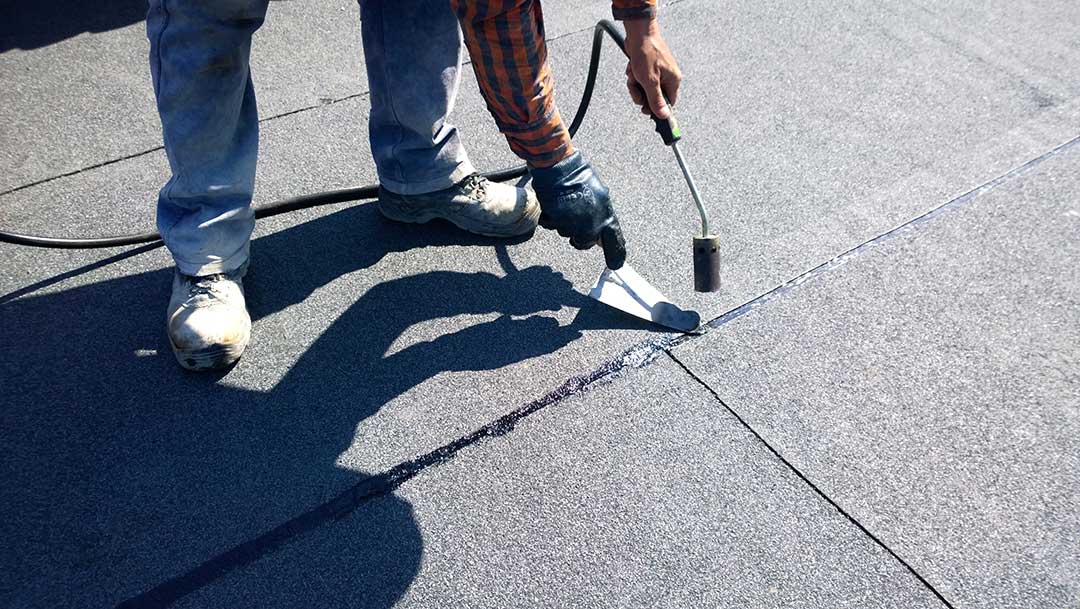
A roof inspection is useful before purchasing a home and before listing one for sale. Buyers can better understand the roof’s current condition, previous repairs, drainage, and likely maintenance needs. Sellers may avoid surprises by identifying visible defects before putting the property on the market.
A general home inspection often includes an observation of the roofing system, but the inspector may not walk on the roof if doing so could cause damage or create a safety risk. The report should make clear what areas were viewed, how they were observed, and what limitations applied.
Important records may include the approximate installation date, repair invoices, warranty information, photographs of past damage, and details about previous leaks. These records can help explain whether a problem is recent, recurring, or already corrected.
What about roofs with solar panels, skylights, or additions?
Roof inspections are especially worthwhile when the roof includes features that create additional penetrations or drainage transitions. Skylights, solar equipment, dormers, porch connections, chimneys, and additions can each create areas where flashing or seals may fail.
These features should be reviewed for:
- Cracked or separated sealant
- Loose flashing
- Water stains around interior openings
- Debris collecting where roof sections meet
- Discoloration or corrosion
- Signs that snow and ice are accumulating unevenly
The roof covering may still appear sound while a detail around a skylight or sidewall is allowing water to enter.
How should Ithaca homeowners prepare for an inspection?
Before an inspection, note any changes noticed since the previous season. Write down the location of ceiling stains, the date a leak appeared, whether the problem occurs during rain or snowmelt, and whether the issue changes with wind direction.
It also helps to:
- Clear personal items away from attic access points
- Keep gutters visible where possible
- Gather records of prior roof work
- Photograph visible damage from the ground
- Identify areas where branches touch or overhang the roof
- Check that attic access is safe and unobstructed
A roof inspection is most useful when it considers the entire roofing system, including drainage, flashing, ventilation, penetrations, attic conditions, and signs of water entry—not only the shingles seen from the street.
When does a roof problem require prompt attention?
Prompt attention is appropriate when water is actively entering the home, a roof section is sagging, large areas of material are missing, electrical components are getting wet, or a tree has struck the structure. These conditions can worsen quickly and may present safety risks.
For less urgent concerns, the best time to arrange a routine inspection is before the season that is most likely to expose the weakness. In this community, that commonly means late spring after winter and early fall before snow and ice return. A yearly review, combined with an inspection after significant weather, provides a practical way to track changes and reduce the chance that a small roof defect remains unnoticed.
