
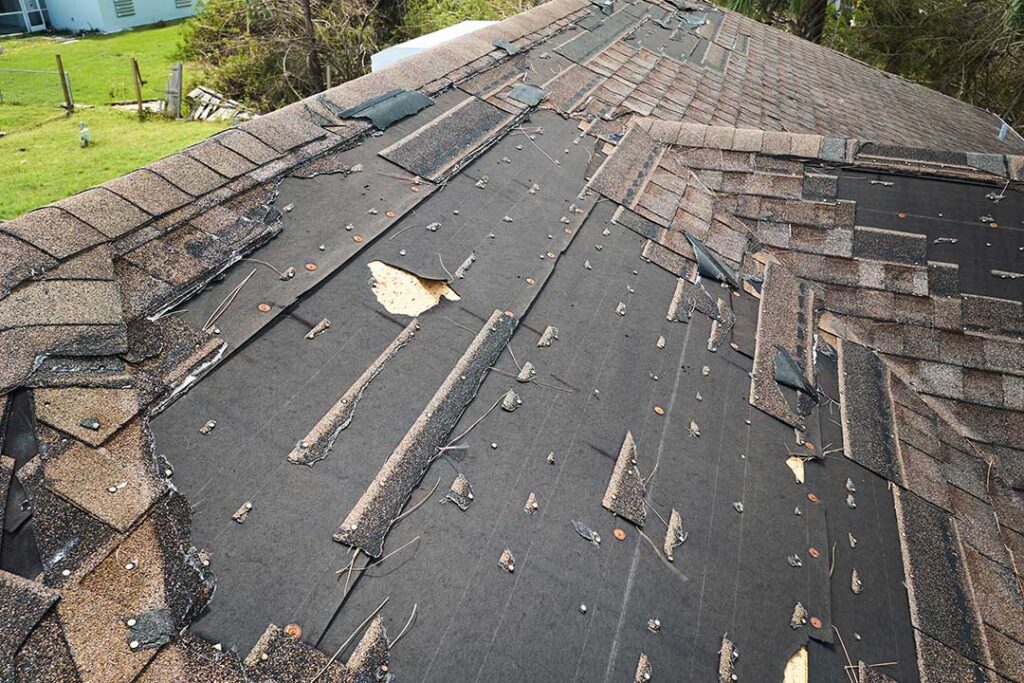
Cool roofs are designed to reflect more sunlight and absorb less heat than conventional roofing. For homes in Ithaca, NY, that can reduce summer heat buildup in the attic and upper floors, although the overall benefit depends on roof color, material, insulation, ventilation, building design, and household energy use.
What is a cool roof?
A cool roof uses a surface that reflects a larger share of incoming solar energy and releases absorbed heat more effectively. Its performance is usually described through two measures:
- Solar reflectance: The percentage of sunlight reflected away from the roof.
- Thermal emittance: How efficiently the roof releases heat after absorbing it.
A roof does not need to be white to qualify as a cool roof. Light-colored roofing generally reflects more sunlight, but specially designed coatings and materials can improve the performance of darker colors as well.
Cool roofing can be used on several roof types, including asphalt shingles, metal roofing, membranes, coatings, and some low-slope systems. The term describes how the roof handles solar heat, not a single product category.
How can a cool roof lower indoor temperatures?
A conventional dark roof can become much hotter than the surrounding air during direct sun. That heat may move through the roof assembly into the attic and living areas below. A more reflective roof stays cooler at the surface, reducing the amount of heat transferred into the building.
The effect is usually most noticeable in:
- Rooms directly beneath the roof
- Finished attic spaces
- Homes with limited insulation
- Buildings with large south- or west-facing roof areas
- Upper floors with inadequate air movement
In Ithaca, summer heat is generally less persistent than in warmer regions, so a cool roof may not produce dramatic indoor temperature changes every day. Its benefit is more likely to appear during sunny stretches, heat waves, and periods when upper rooms become uncomfortable before the rest of the house.
Roof reflectivity is only one part of the picture. Adequate attic insulation and ventilation can be just as important. A highly reflective roof cannot fully compensate for missing insulation, air leaks around ceiling fixtures, or blocked soffit and ridge ventilation.
Can a cool roof reduce energy use?
A cool roof may reduce the need for air conditioning by limiting heat gain through the roof. The savings are usually greater in buildings that already use mechanical cooling frequently and have significant roof exposure.
For many Ithaca households, however, summer cooling is only one part of annual energy use. Heating demand during the colder months is often more significant. This creates an important tradeoff: a roof that reflects more winter sunlight may provide slightly less passive solar warming during cold, sunny conditions.
That does not mean a cool roof is unsuitable for the local climate. It means the expected savings should be evaluated across the full year rather than based only on summer performance. Roof insulation, air sealing, window exposure, heating equipment, and occupant habits may have a larger effect on annual energy costs.
Does a cool roof help the roof last longer?
Reducing high surface temperatures can lessen some forms of thermal stress. Roofing materials repeatedly expand in heat and contract as they cool. Over many seasons, those cycles can contribute to aging, especially when combined with moisture, ultraviolet exposure, wind, and installation problems.
A cooler surface may also reduce the temperature of roofing components such as underlayment, adhesives, sealants, and some types of flashing. That can support durability, but it does not make a roof immune to damage.
In Ithaca, roofing must also withstand:
- Freeze-thaw cycles
- Snow and ice accumulation
- Wind-driven rain
- Spring and autumn moisture
- Falling branches and debris
- Moss or algae growth in shaded, damp areas
A reflective roof with poor drainage or inadequate fastening can still fail prematurely. Roof design, installation quality, maintenance, and material suitability remain more important than reflectivity alone.
Are cool roofs useful in a snowy climate?
Yes, but their winter effects require realistic expectations. Snow itself reflects a substantial amount of sunlight, so the roof’s underlying color may matter less while it is covered. A cool roof also does not prevent snow accumulation or eliminate ice dams.
Ice dams form when heat escaping from the building melts snow on warmer sections of the roof, allowing water to refreeze near colder eaves. The most effective defenses are usually continuous attic insulation, air sealing, proper ventilation, and attention to roof geometry. Roof color by itself is not a dependable ice-dam solution.
A roof that remains cooler in summer may still be appropriate for a snowy climate, provided the entire roof assembly is designed for local winter conditions. Steepness, drainage, flashing, underlayment, and snow-management considerations should be evaluated together.
What are the environmental benefits?
Lower roof temperatures can reduce building cooling demand and may help limit heat released into densely developed areas. When many buildings use reflective roofs, the combined effect can modestly reduce localized heat buildup.
The environmental value also depends on the roof’s service life and the materials used. Replacing a functioning roof solely for energy savings may not be environmentally preferable if the existing roof has many useful years remaining. In some cases, a reflective coating or more reflective replacement material at the end of the roof’s normal life may be a more practical approach.
Material durability matters as well. A roof that reflects sunlight but requires frequent replacement may offer fewer long-term benefits than a durable roof with somewhat lower reflectivity.
Are there disadvantages to cool roofs?
Cool roofs are not automatically the best choice for every building. Potential limitations include:
- Higher initial cost for some specialty materials or coatings
- Limited energy savings in homes with little or no air conditioning
- Possible reduction in winter solar heat gain
- Appearance changes caused by color, coating, or surface aging
- Performance loss if dirt, biological growth, or debris covers the reflective surface
- Compatibility issues with existing roofing materials
Some coatings are intended for specific roof types and conditions. Applying an incompatible coating can trap moisture, interfere with repairs, or shorten the roof’s useful life. Reflective products also vary in how they perform after years of weather exposure.
A cool roof should therefore be considered as part of a complete roof system, not as a surface treatment evaluated in isolation.
What should homeowners consider before choosing one?
The first question is whether the roof is being replaced, repaired, or simply evaluated for comfort problems. A roof nearing the end of its service life may be an appropriate time to compare reflective materials. A sound roof may not justify replacement solely to achieve a cooler surface.
Useful factors to review include:
- Roof slope and drainage
- Existing roofing material
- Attic insulation depth and condition
- Soffit, ridge, or other ventilation
- Amount of summer air conditioning
- Roof orientation and shade
- Snow and ice management needs
- Expected service life and maintenance requirements
- Compatibility with local building requirements
For a home with hot upper rooms, improving insulation and air sealing may produce more noticeable results than changing roof color. For a low-slope roof or a building with substantial cooling demand, reflective roofing may offer a stronger practical advantage.
The most useful approach is to compare the complete roof assembly—surface, underlayment, insulation, ventilation, drainage, and flashing—rather than focusing on reflectivity alone. In the local climate, a well-designed roof must manage summer heat without sacrificing moisture control, winter performance, or long-term durability.
