
Replacing a roof is a major household expense, and the full cost is not always easy to absorb at once. For residents of Ithaca, NY, financing may provide a way to address leaks, structural damage, or an aging roof without draining emergency savings—but each option has different costs, risks, and repayment rules.
What financing options are available for a new roof?
Most homeowners consider cash savings, a personal loan, a home equity loan, a home equity line of credit, or financing offered through a roofing contractor. The right choice depends on the roof’s urgency, the homeowner’s credit, available equity, income, and ability to manage a monthly payment.
Common options include:
- Paying from savings
- Using a personal installment loan
- Taking out a home equity loan
- Opening a home equity line of credit, or HELOC
- Refinancing or using a cash-out refinance
- Applying for a government-backed or local home-improvement assistance program, if eligible
- Using a credit card, usually only for a small short-term balance
A roof that is actively leaking or has visible structural damage may require faster action than a roof that is simply nearing the end of its expected service life. Financing decisions should account for both the cost of the roof and the cost of waiting.
Is paying cash usually the least expensive option?
Paying cash generally avoids interest, loan fees, and the risk of using a home as collateral. It can be the least expensive option if enough savings remain for other emergencies, property taxes, insurance, utilities, and seasonal maintenance.
However, using every dollar in savings may create a different problem. Homes in the area must withstand snow, ice, freeze-thaw cycles, wind, and heavy rain. A homeowner who spends an entire emergency fund on roofing may have difficulty handling a furnace failure, storm damage, or another urgent repair later.
A practical approach is to compare the cash cost with the amount of savings that would remain afterward. Keeping some reserve may be worth paying reasonable interest on a smaller loan.
How does a personal loan work for roof replacement?
A personal loan provides a fixed amount that is repaid through scheduled monthly payments. Many personal loans are unsecured, meaning the home is not directly pledged as collateral. Approval and pricing are typically based on credit history, income, existing debts, and the requested loan amount.
Potential advantages include:
- A predictable payment schedule
- A fixed interest rate in many cases
- No lien against the home for an unsecured loan
- A clear payoff date
Potential drawbacks include higher interest than some secured borrowing options, origination fees, and stricter approval standards for borrowers with weaker credit. A personal loan may be easier to understand than a revolving credit line because the balance and repayment period are set from the beginning.
Before accepting an offer, compare the annual percentage rate, total repayment amount, monthly payment, late fees, prepayment terms, and any origination charge. A low advertised rate may apply only to borrowers with excellent credit.
What is the difference between a home equity loan and a HELOC?
A home equity loan provides a lump sum based on the equity in the property. It may have a fixed interest rate and regular payments, making it useful when the total roof cost is known.
A HELOC works more like a revolving credit line. The homeowner can borrow up to a set limit during a specified draw period, then repay the balance over time. HELOC rates are often variable, so the payment can rise if market interest rates increase.
Both options use the home as collateral. If payments cannot be made, the consequences can be more serious than with an unsecured personal loan. A HELOC may also include appraisal charges, annual fees, minimum borrowing rules, or a repayment period that causes payments to increase after the draw period ends.
For a straightforward roof replacement with a known price, a fixed-rate home equity loan may be easier to budget. A HELOC may be more flexible when costs are uncertain, such as when hidden decking damage could be discovered after shingles are removed, but the variable rate creates additional risk.
Does refinancing make sense for a roof?
A cash-out refinance replaces an existing mortgage with a larger mortgage and provides the difference in cash. It may offer a lower interest rate than some other borrowing methods, but the loan is usually spread over a long period.
That longer repayment period matters. A homeowner could still be paying for a roof many years after the roof has been replaced. Refinancing may also involve closing costs, a new loan term, changes to the monthly mortgage payment, and a possible increase in total interest.
This option requires careful comparison between the new mortgage’s total cost and the cost of a shorter home-improvement loan. A lower monthly payment does not necessarily mean lower overall borrowing costs.
Are contractor financing offers safe to use?
Financing arranged through a roofing contractor can be convenient, but it should be treated as a separate financial product rather than as part of the roofing work itself. The homeowner should review the lender, interest rate, payment schedule, deferred-interest language, fees, and consequences of missing a payment.
Promotions such as “no interest if paid in full” can be misunderstood. Some offers may charge accumulated interest if the balance is not fully paid by the promotional deadline. Others may begin with a low payment that later increases.
A homeowner should receive a written contract showing the total project price, payment schedule, cancellation terms, warranty responsibilities, and whether financing approval is separate from the construction agreement. Avoid signing blank documents or allowing payments to be released before clearly defined work milestones.
What should Ithaca homeowners include in the budget?
The financing amount should cover more than shingles. A complete roof budget may include:
- Tear-off and disposal of the old roofing
- Replacement of damaged roof decking
- Ice-barrier and underlayment materials
- Flashing around chimneys, skylights, walls, and roof penetrations
- Ventilation improvements
- Gutter or drainage adjustments
- Permit-related costs, if applicable
- Interior repairs from existing leaks
- Contingency funds for concealed damage
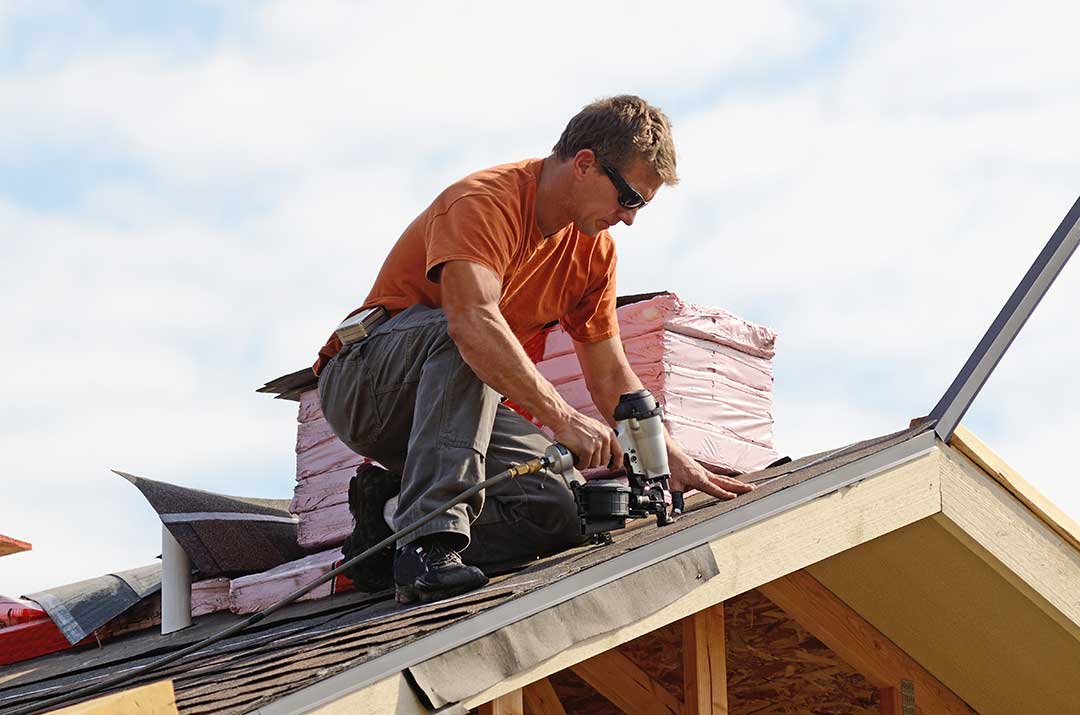
Older homes may have multiple roof layers, unusual roof shapes, aging flashing, or areas where moisture has affected wood. Snow accumulation and repeated freeze-thaw conditions can also expose weaknesses that are not obvious from the ground.
Borrowing slightly more than the initial expected cost may provide flexibility, but borrowing too much increases interest. The written scope should distinguish between necessary repairs and optional upgrades.
Can roof financing interest be tax-deductible?
Interest on a home equity loan or HELOC may qualify for a federal deduction when the borrowed funds are used to substantially improve the home, subject to tax rules, loan limits, and whether the homeowner itemizes deductions. Interest used for personal expenses generally does not receive the same treatment.
Tax rules can change, and the outcome depends on the loan structure and the homeowner’s tax situation. Keep records showing how the funds were used, including the loan documents, invoices, and payment records. Tax advice should be based on the rules for the specific filing year.
How can homeowners compare offers fairly?
The most useful comparison is the total amount repaid, not just the monthly payment. Review:
- Annual percentage rate
- Fixed or variable interest rate
- Loan term
- Total interest
- Origination, appraisal, annual, or closing fees
- Prepayment penalties
- Late-payment consequences
- Whether the home secures the debt
- Whether the rate or payment can change
- What happens if the roofing work is delayed or the project price changes
A roof is a necessary part of protecting the home, but the financing should remain manageable alongside mortgage payments, property taxes, insurance, utilities, and routine maintenance. The safest option is usually the one that solves the roofing problem while leaving enough monthly and emergency-room flexibility for the rest of household finances.
