
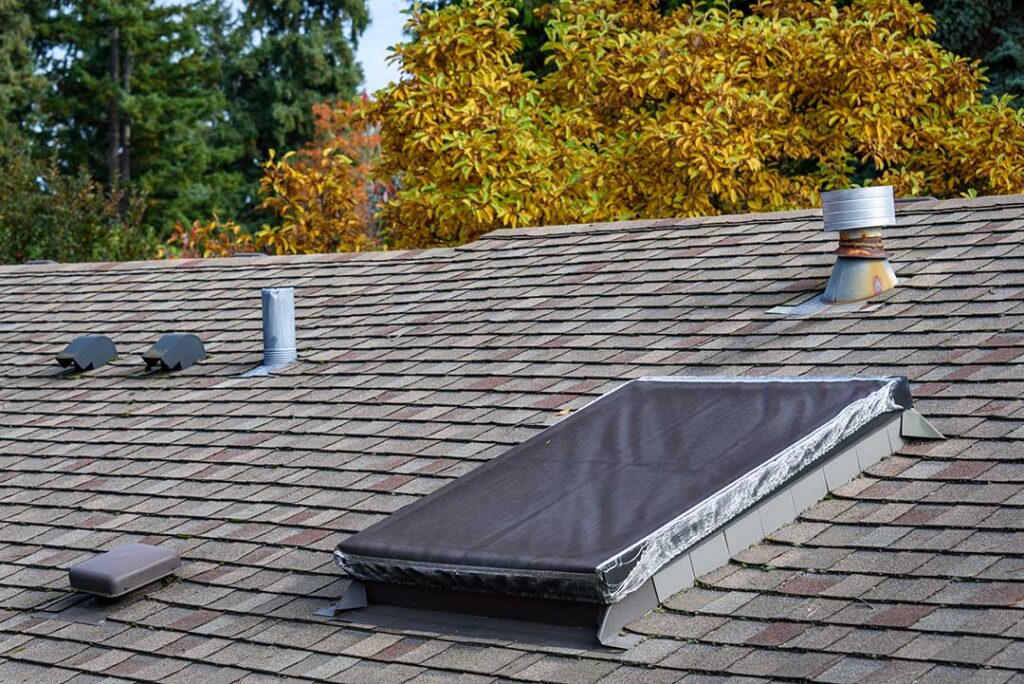
Why Is Winter Preparation Essential for Your Roof?
Winter in Ithaca, NY often brings snow, ice, wind, and dramatic temperature swings. Area roofs can face serious stress—minor weaknesses in fall may turn into leaks, ice damming, or sudden damage during a January storm. Many common roof issues seen by local residents in spring are the result of missed winter prep in the months before.
What Are Common Trouble Spots for Roofs in the Area?
In the city, many homes feature older asphalt shingles, low to moderate roof slopes, and large overhanging trees. Climbing temperatures during the day followed by cold nights can force repeated freeze-thaw cycles, putting added stress on roof seams, eaves, and valleys. Local homeowners often overlook these risk areas:
- Mossy or leaf-covered sections—especially in shaded yards near gorges or wooded areas
- Gutters that fill quickly with leaves from maples, oaks, or black walnuts
- Flat portions on porches or additions where melting snow can pool
- Older ridge vents, flashing, and attic vents that may be loose after several winters
How Should Local Residents Inspect a Roof Before Cold Weather Arrives?
A thorough fall roof check can reveal small issues before they become expensive winter problems. Walk the perimeter of your home and look up for:
- Missing, curled, or cracked shingles
- Sagging, soft, or stained spots along roof edges
- Moss, lichen, or visible algae growth
- Obvious gaps around chimneys, skylights, or vent pipes
If you’re comfortable and it’s safe, use binoculars or inspect from a sturdy ladder. Many local residents also check attic interiors—look for daylight showing through boards, wet insulation, or signs of recent leaks after early autumn rain.
How Can You Clear Away Roof Debris Safely?
Removing branches, pine needles, and leaves helps prevent moisture build-up and ice formation. In areas with abundant trees, debris may gather after each windy day. Homeowners can:
- Use a roof rake or soft broom (from the ground, if possible) to sweep debris off
- Clear clogged gutters and downspouts with gloved hands or a scoop
- Avoid using high-pressure washers, which risk loosening shingle granules
Avoid climbing onto steep or icy roofs—clearing what you can safely reach makes a real difference in preventing ice dams and water backup.
Why Do Gutters Matter So Much in Local Winters?
Effective gutter systems direct melting snow and rainwater safely away from house foundations. Overflowing or frozen gutters are a major cause of winter roofing headaches in Ithaca. Be sure gutters are:
- Fully cleared of leaves and twigs by late fall
- Firmly attached and pitched for proper flow (water should not pool anywhere along the run)
- Draining at least five feet from the home's foundation
- Free of visible cracks or rust
In neighborhoods with mature trees, consider additional mid-winter checks, especially if storms bring new debris.
What Role Does Attic Insulation Play in Preventing Ice Dams?
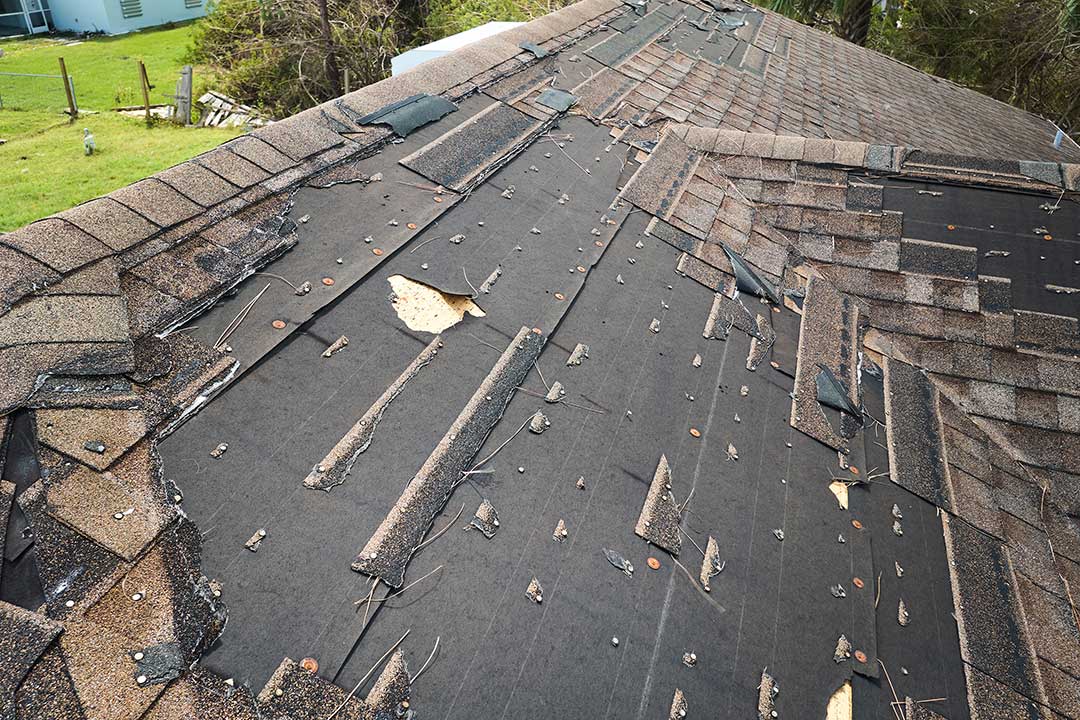
Ice dams are a frequent concern in older area homes, especially those originally built with minimal attic insulation. Ice dams form when warm attic air melts snow on the upper roof, which then refreezes at the cold eaves, forcing water under shingles.
To reduce this risk:
- Examine the attic for gaps or compacted insulation above living spaces
- Minimize heat loss with additional insulation if current depth is less than 12-14 inches for most modern standards
- Ensure attic vents are unblocked for cold air flow—heat trapped in the attic speeds snowmelt
Attic temperatures should remain close to outdoor air during winter months for best results.
How Can You Address Small Repairs Before Winter?
Some minor fixes are reasonable for handy homeowners before cold weather settles in. Use roofing cement for small shingle cracks, replace missing or loose fasteners, and gently nail down lifted flashing. Repair or replace any rubber pipe boots showing signs of weathering or cracks. For any roof area with a steep pitch, significant age, or previous storm damage, safety should be the top concern.
Should Snow Be Removed from a Roof During Winter?
Most modern residential roofs are designed to handle average snow loads. Heavy, wet snow in the city can occasionally cause problems—especially on low-sloped porches or carports, or unsupported older additions.
Use a specialized roof rake from the ground to remove excess snow after major storms, taking care not to damage shingles. Avoid climbing onto icy roofs in winter, as falls are among the most serious seasonal home injuries.
What Are Signs of a Roof Problem During the Winter Months?
Even with good preparation, issues can sometimes appear as winter progresses. Watch for:
- Icicles forming along eaves—even if gutters appear clear
- Water stains on inside ceilings or walls after thaw cycles
- Ice buildup higher than 2-3 inches on roof edges
- Unexplained drafts or cold spots beneath roof slopes
Address any of these signs quickly to prevent further water damage or safety hazards.
What Are Common Misconceptions About Roof Winter Prep?
Some residents assume all roofing materials perform equally, but older or worn shingles lose protection and grip in cold weather. Clearing gutters once isn't always enough in wooded neighborhoods; late-falling leaves and wind can cause new blockages well into December.
Another common misconception is that attic heat will “melt away” problems. In fact, consistent roof surface temperatures generally mean fewer freeze-thaw issues.
Winter roof preparation in the community is an annual routine, not a one-time fix—regular attention limits headaches and helps homes withstand the region’s seasonal challenges.
