
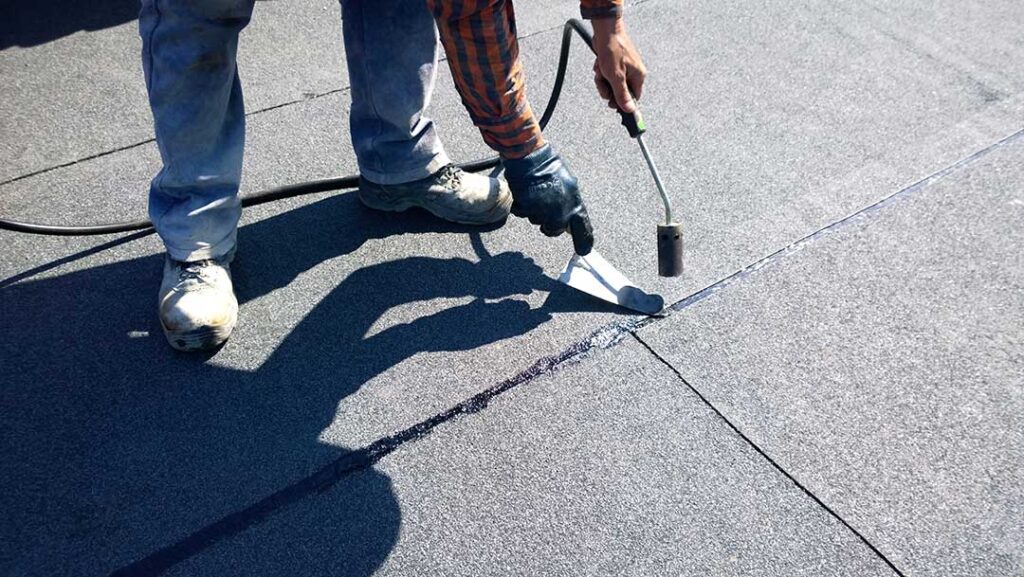
Roof cleaning can remove leaves, moss, algae, and other buildup, but the work becomes dangerous quickly if the roof is wet, steep, icy, fragile, or difficult to access. For many homes in Ithaca, the safest approach is to clean from the ground or from a securely positioned ladder rather than walking across the roof.
Is it safe to clean a roof yourself?
It may be reasonable to handle light cleaning from the ground, but climbing onto a sloped roof carries a significant fall risk. A roof can look dry while retaining moisture, pollen, algae, or fine grit that reduces traction. Morning dew, shaded areas, and damp conditions after rain can make shingles especially slippery.
Avoid walking on the roof if it has:
- A steep pitch
- Moss or heavy algae growth
- Loose, curling, cracked, or missing shingles
- Soft or sagging areas
- Ice, frost, or wet leaves
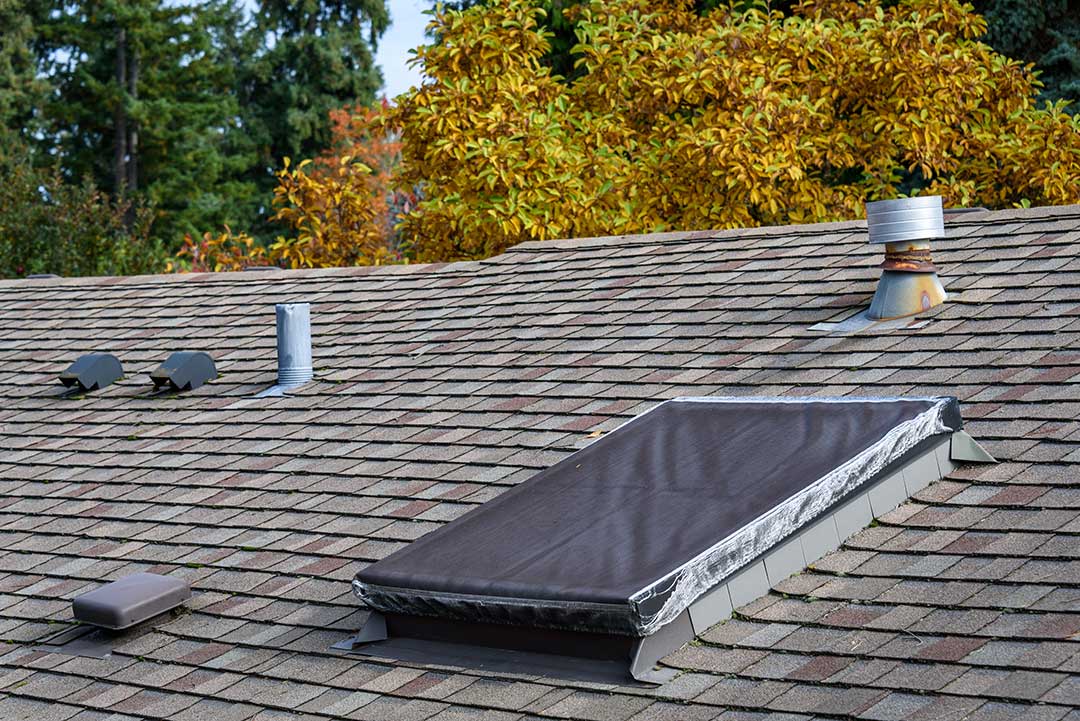
- Skylights, fragile roof panels, or uncertain framing
- An edge more than one story above the ground
A ladder does not eliminate the risk. It must rest on firm, level ground, be inspected before use, and be positioned correctly. The top should extend above the landing surface, and the ladder should be secured so it cannot slide or shift. Never carry a bucket, pressure washer wand, or bulky equipment while climbing.
What should be cleaned from a roof?
Routine roof cleaning generally involves removing loose debris and addressing organic growth. Leaves, twigs, pine needles, and seed pods can hold moisture against roofing materials and collect around chimneys, vents, valleys, and gutters.
Moss is more concerning than light surface discoloration because it can lift shingle edges and retain water. Algae may appear as dark streaks or broad stains. Those stains are usually cosmetic, but aggressive cleaning can cause more damage than the growth itself.
Before cleaning, inspect the roof from the ground with binoculars if needed. Look for:
- Missing or damaged shingles
- Exposed underlayment
- Rusted or loose flashing
- Sagging roof lines
- Blocked gutters or downspouts
- Branches rubbing against the roof
- Moss growing beneath shingle edges
Cleaning should not be used to hide a roof problem. Damaged materials can become worse when disturbed.
What is the safest way to remove leaves and loose debris?
Use a soft roof rake, soft-bristled brush, or a long-handled tool from a stable position. Work from the ground whenever practical, and pull debris downward rather than pushing it under shingle edges.
Do not scrape forcefully across asphalt shingles. Granules on the surface help protect the shingle from sunlight and weather. Excessive brushing can remove those granules, shorten the roof’s service life, and leave weak spots that are difficult to see from the ground.
Keep debris away from windows, doors, walkways, and neighboring property. Falling branches or clumps of moss can injure someone below. Children, pets, and other household members should stay clear of the work area.
If debris is concentrated in a gutter, clean it only from a safely positioned ladder. Do not stand on the top step or lean sideways to reach farther. Move the ladder instead.
Can a pressure washer be used on shingles?
A pressure washer should not be used on asphalt shingles. High-pressure water can dislodge protective granules, force water beneath shingle layers, damage flashing, and loosen seals around penetrations. It can also drive water into soffits, vents, wall assemblies, or attic spaces.
Pressure washing may also damage painted metal, older wood surfaces, or delicate roofing materials. A hose used gently from the ground is less aggressive, but even low-pressure rinsing should be directed downward and away from shingle edges, vents, and flashing.
The goal is to loosen and rinse surface growth, not to strip the roof clean.
How should moss and algae be treated?
For light algae or moss, use a roof-safe cleaning solution applied according to its label. A low-pressure application is generally less damaging than scrubbing or power washing. Allow the solution time to work, then rinse gently if the product instructions call for rinsing.
Avoid mixing cleaning chemicals. Combining bleach, acids, ammonia, or other household products can create dangerous fumes or damaging runoff. Wear eye protection, gloves, long sleeves, and footwear with good traction when handling any treatment.
Cleaning solution can harm lawn areas, garden plants, shrubs, painted surfaces, and metal fixtures. Pre-wet nearby plants with clean water and protect sensitive areas where appropriate. Direct runoff away from ponds, streams, rain gardens, and storm drains. In the local climate, heavy rain can move roof-treatment residue quickly across a property.
Moss often returns if shaded branches remain over the roof. Trimming branches to improve airflow and sunlight may reduce regrowth, but tree work introduces its own fall and electrical hazards. Do not cut branches near utility lines.
When should roof cleaning be postponed?
Choose a dry, calm day with mild temperatures. Do not clean during rain, snow, frost, strong wind, or freezing conditions. Water left on roofing materials can freeze overnight, creating slippery surfaces and increasing the chance of damage.
Spring and autumn require extra caution because Ithaca homes commonly experience wet leaves, changing temperatures, and shaded roof areas that dry slowly. After storms, inspect from the ground first. Wind may have loosened shingles or branches, making roof access unsafe even if the weather has cleared.
Do not work near overhead electrical lines. Keep ladders, poles, hoses, and metal tools well away from them.
When is roof cleaning beyond a do-it-yourself task?
A roof should not be climbed when safe fall protection is unavailable or the surface condition is uncertain. Professional assistance is warranted when cleaning requires extended time on a steep roof, involves a two-story drop, or includes fragile materials, skylights, chimneys, or significant moss growth.
It is also safer to stop if shingles break loose, the roof feels soft, water enters the attic, or the structure shows signs of sagging. A fall-protection harness is not automatically safe merely because it is available; it must be connected to a properly rated anchor and used with appropriate training.
For a homeowner, the safest cleaning plan is often limited to ground-level inspection, gentle removal of accessible debris, and keeping gutters and downspouts clear. The roof itself should remain off-limits when the conditions, equipment, or surface create more risk than the cleaning task justifies.
