
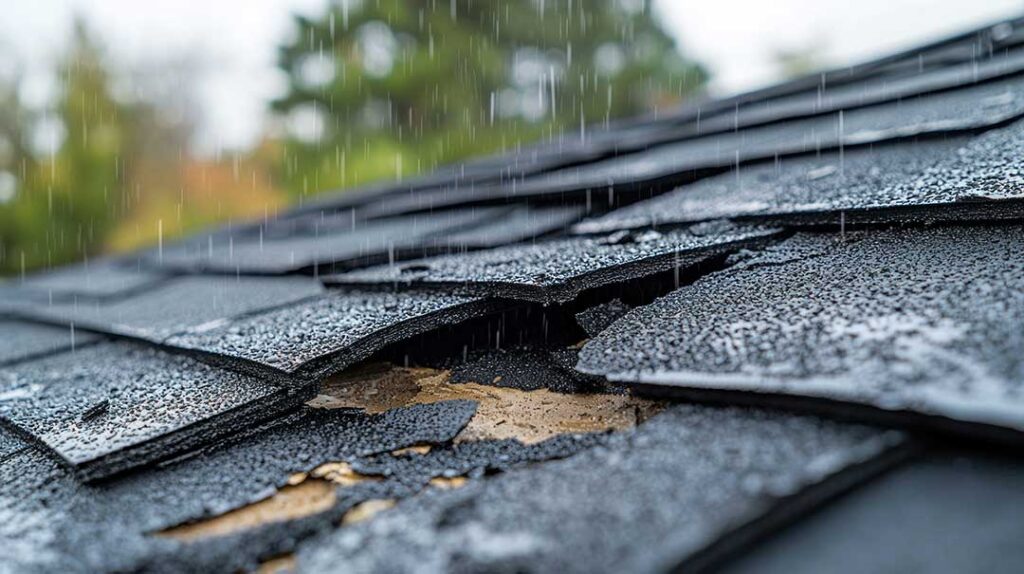
Roof maintenance is easier and safer when the right tools are available before a problem develops. For homes in Ithaca, NY, a basic toolkit should support visual inspections, gutter and drainage checks, minor upkeep, documentation, and safe work from the ground or a properly secured ladder.
The goal is not to perform major repairs without training. It is to identify early warning signs, keep drainage paths clear, and recognize conditions that should not be handled as a do-it-yourself project.
What tools are useful for routine roof inspections?
A visual inspection usually requires more observation than repair. The most useful tools help a homeowner see, measure, record, and safely examine areas around the roof.
A practical inspection kit may include:
- Binoculars for viewing shingles, flashing, vents, and roof edges from the ground
- A bright flashlight for attic spaces, roof penetrations, and darker corners
- A tape measure for documenting damaged areas or changes in sagging
- A notepad or phone camera for recording locations and dates
- Work gloves for handling leaves, twigs, and gutter debris
- A small mirror or inspection mirror for viewing concealed edges around flashing
- A moisture meter for checking suspicious areas inside the attic or near ceiling stains
Binoculars are especially useful because many roof problems can be identified without climbing. Look for missing or lifted shingles, dark patches, exposed underlayment, rusted metal, loose flashing, sagging roof lines, and excessive moss or algae.
A camera record can help distinguish a new issue from an old one. Photograph the same roof sections after major storms and during spring or fall inspections.
Which tools help clean gutters and roof drainage areas?
Gutters and downspouts are part of the roof drainage system. If they are blocked, water can overflow against fascia boards, siding, trim, foundations, or lower roof sections.
Common maintenance tools include:
- A sturdy gutter scoop or plastic hand scoop
- A soft-bristled brush
- A garden hose with an adjustable spray nozzle
- A plumber’s snake or flexible downspout cleaning tool
- A small bucket or debris bag
- A plastic putty knife for removing compacted sediment
- A stable ladder with a secure top and base
Avoid using sharp metal tools that can puncture gutter bottoms or damage protective coatings. A hose can help confirm whether water flows through the entire downspout, but it should not be used to force water into areas where an obstruction may cause hidden leakage.
Inspect downspout outlets after cleaning. Water should discharge far enough away from the foundation to prevent repeated saturation. In colder weather, confirm that extensions and outlets are not buried under snow or blocked by ice.
Do homeowners need roofing repair tools?
Basic hand tools can be useful for small, ground-level maintenance tasks, but they do not make roof repairs automatically safe or appropriate.
A household may reasonably keep:
- A claw hammer for general exterior maintenance
- A utility knife with spare blades
- A pry bar for removing loose, nonstructural materials
- A caulking gun for approved exterior sealants
- A small adjustable wrench and screwdriver set
- Replacement fasteners suited to the material being repaired
- A sealant compatible with the existing roofing or flashing material
Sealant should not be treated as a universal solution. Covering a leak with caulk may hide the visible symptom while water continues to damage roof decking, insulation, framing, or interior finishes. Roofing materials also expand and contract through Ithaca’s changing seasons, so an incompatible product may crack or separate.
Do not use ordinary household tape, roofing cement as a permanent patch, or random screws to secure loose materials. Fastener type, placement, and weather exposure all affect whether a repair remains watertight.
What safety equipment is essential before using a ladder?
Safety equipment matters more than the repair tool. Wet leaves, frost, snow, wind, and steep roof surfaces can make a simple inspection hazardous.
Before using a ladder, have:
- A ladder rated for the user and the equipment being carried
- Slip-resistant footwear
- Work gloves with a secure grip
- Eye protection when brushing debris or using tools
- A hard hat when working beneath roof edges or around falling debris
- A second person available to stabilize and monitor the setup
- A means of securing the ladder at the top and bottom
The ladder should stand on firm, level ground and extend above the landing point when access to a roof edge is necessary. Maintain three points of contact while climbing, face the ladder, and avoid carrying bulky tools in both hands.
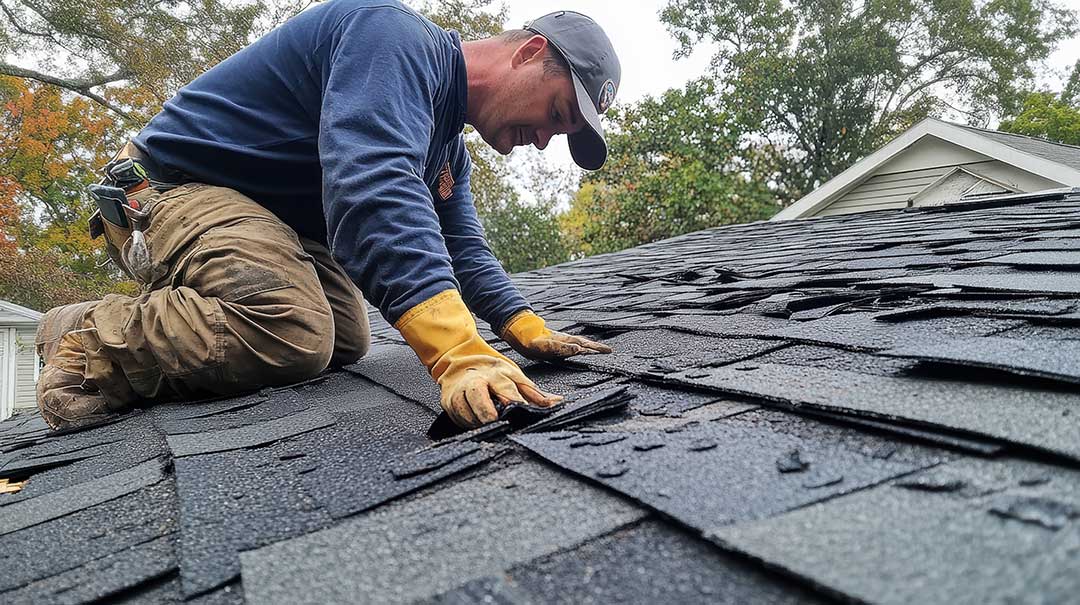
Never climb during rain, snow, ice, high winds, or when shingles are visibly wet. A roof rake, ladder, or extension pole can also create hazards if used near electrical lines.
A personal fall-arrest system is specialized equipment requiring proper anchorage, fit, inspection, and training. It is not a substitute for knowing how the equipment works.
Is a roof rake useful for winter maintenance?
A roof rake can remove limited snow from some low-slope roof edges while the user remains on the ground. It may be useful after unusually heavy snowfall, but careless use can damage shingles, flashing, gutters, siding, or nearby people and property.
If using one, choose a model designed for roof snow removal and follow its instructions. Pull snow downward rather than dragging aggressively across the roof surface. Keep clear of falling snow and ice, and do not stand beneath an overhanging roof edge.
A roof rake is not suitable for breaking apart ice dams. Chopping ice with a hammer, axe, or sharp tool can damage roofing and create falling hazards. Ice dams may also indicate heat loss, inadequate attic insulation, ventilation problems, or air leakage. Removing visible ice without addressing the underlying condition may not prevent recurrence.
Which tools help inspect the attic?
Many roof leaks first appear inside the attic. Useful attic inspection tools include:
- A flashlight or headlamp
- A moisture meter
- A straightedge for checking sagging or uneven decking
- A tape measure
- Disposable gloves and a dust mask
- A small screwdriver for gently testing visibly deteriorated wood
- A camera for documenting stains and wet insulation
Look for water stains, damp insulation, mold-like growth, rust around fasteners, daylight entering through the roof deck, compressed insulation, and wet areas near chimneys, vents, valleys, and roof-wall intersections.
Do not step directly on the insulation between ceiling joists. Use established walk boards or stay on structural framing. Roofing nails may protrude through the roof deck, and attic spaces can contain poor ventilation, extreme temperatures, pests, or electrical hazards.
What should be kept in a roof-maintenance kit?
A useful kit should be organized around inspection and prevention rather than emergency roof climbing. Store tools in a dry container and check them before each season.
A sensible household setup includes:
- Binoculars
- Flashlight and spare batteries
- Gloves and eye protection
- Tape measure
- Camera or phone
- Gutter scoop
- Hose nozzle
- Ladder inspection checklist
- Compatible exterior sealant
- Utility knife
- Roof and attic inspection notes
For local homes, spring and fall are practical times to inspect drainage, flashing, roof edges, and attic conditions. After heavy snow, wind, or freeze-thaw cycles, check from the ground for displaced materials and overflowing gutters.
Stop work if the roof surface is slippery, the structure appears unstable, electrical hazards are nearby, or damage involves large areas, structural movement, active leaking, or extensive ice. Tools are valuable for identifying problems, but they cannot replace fall protection, specialized training, or a proper assessment of hazardous roof conditions.
