
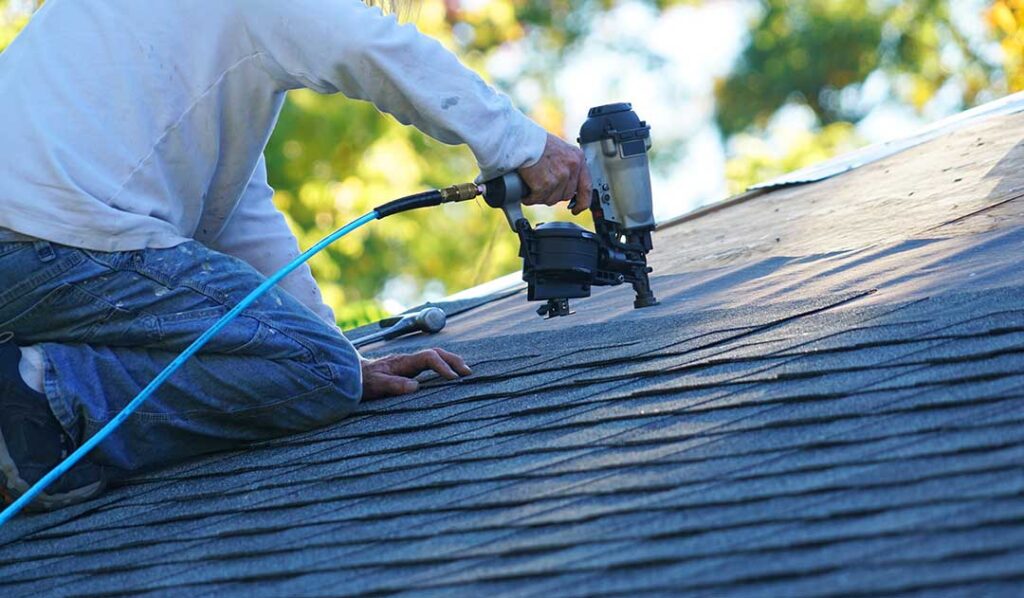
A cool roof is designed to reflect more sunlight and release absorbed heat more effectively than a conventional dark roof. The result is a lower roof temperature during sunny weather, which can reduce heat entering the building and improve comfort during summer.
For households in Ithaca, the benefits are real but seasonal. Cooling demand is generally less dominant than in warmer regions, so roof color and reflectivity should be considered alongside insulation, ventilation, moisture control, snow performance, and the roof’s overall condition.
What makes a roof “cool”?
A cool roof depends on two surface properties: solar reflectance and thermal emittance.
- Solar reflectance is the roof’s ability to reflect sunlight instead of absorbing it.
- Thermal emittance is the roof’s ability to release absorbed heat.
A roof with strong performance in both areas stays cooler under direct sun. Light-colored roofing often reflects more sunlight, although some darker materials are manufactured with reflective pigments that provide improved performance without a bright white appearance.
Roofing products can be evaluated using reflectance and emittance ratings or a combined measure called the Solar Reflectance Index. These ratings are more useful than color alone because two roofs that look similar may perform differently in sunlight.
How can a cool roof improve summer comfort?
A roof absorbs solar energy throughout the day. On a sunny afternoon, that heat can move through the roof assembly into the attic and living space below. Rooms directly under the roof are often affected first, especially upper floors with limited insulation or poor air sealing.
A cooler roof can reduce this heat transfer. Potential household benefits include:
- Lower attic temperatures during sunny weather
- Less heat buildup in upper-level rooms
- Reduced reliance on air conditioning or portable cooling equipment
- Improved comfort during short periods of hot, humid weather
- Less thermal stress on roofing materials
The effect is usually most noticeable in homes with air conditioning, finished attic spaces, low insulation levels, or rooms that receive strong afternoon sun. A cool roof will not eliminate indoor heat, particularly if windows, walls, air leaks, or insufficient insulation are the primary sources of heat gain.
Can a cool roof lower energy bills in Ithaca?
It can, but the savings vary widely. Cool roofs generally provide their strongest energy benefit in regions with long, hot cooling seasons. In Ithaca, summer heat can still create uncomfortable indoor conditions, yet the annual cooling season is shorter than in many warmer parts of the country.
That means a cool roof may produce modest annual utility savings rather than dramatic reductions. The likely value depends on several factors:
- Roof orientation and exposure to direct sun
- Attic insulation and ventilation
- The size and efficiency of the home’s cooling equipment
- Whether the upper floor is finished living space
- The roofing material’s aged reflectance
- The household’s comfort preferences and cooling habits
A reflective roof should not be viewed as a substitute for insulation. In many older homes, improving attic insulation and sealing air leaks may have a larger year-round effect because those measures help during both heating and cooling seasons.
Does a cool roof help the roof last longer?
Lower roof temperatures may slow some forms of material aging. Repeated heating and cooling can cause roofing components to expand and contract, while ultraviolet exposure and high surface temperatures can accelerate degradation. Keeping the roof surface cooler may reduce some of that stress.
However, durability depends on more than temperature. Moisture, ice, snow, wind, installation quality, foot traffic, poor drainage, and the age of the materials also matter. A reflective coating applied over a roof with leaks, damaged flashing, or inadequate drainage will not correct those underlying problems.
For that reason, cool-roof features are most useful when included as part of a sound roof assembly rather than treated as a stand-alone solution.
Are cool roofs suitable for cold and snowy weather?
A cool roof can be suitable in a cold climate, but there is a tradeoff. A roof that reflects more sunlight may absorb less solar heat during the heating season. In theory, that can slightly increase heating demand compared with a darker roof.
In Ithaca, winter performance also requires attention to snow, ice, moisture, and ventilation. A roofing material must be appropriate for the roof’s slope and installation method. Reflectivity does not replace proper underlayment, flashing, ventilation, insulation, or ice-dam prevention practices.
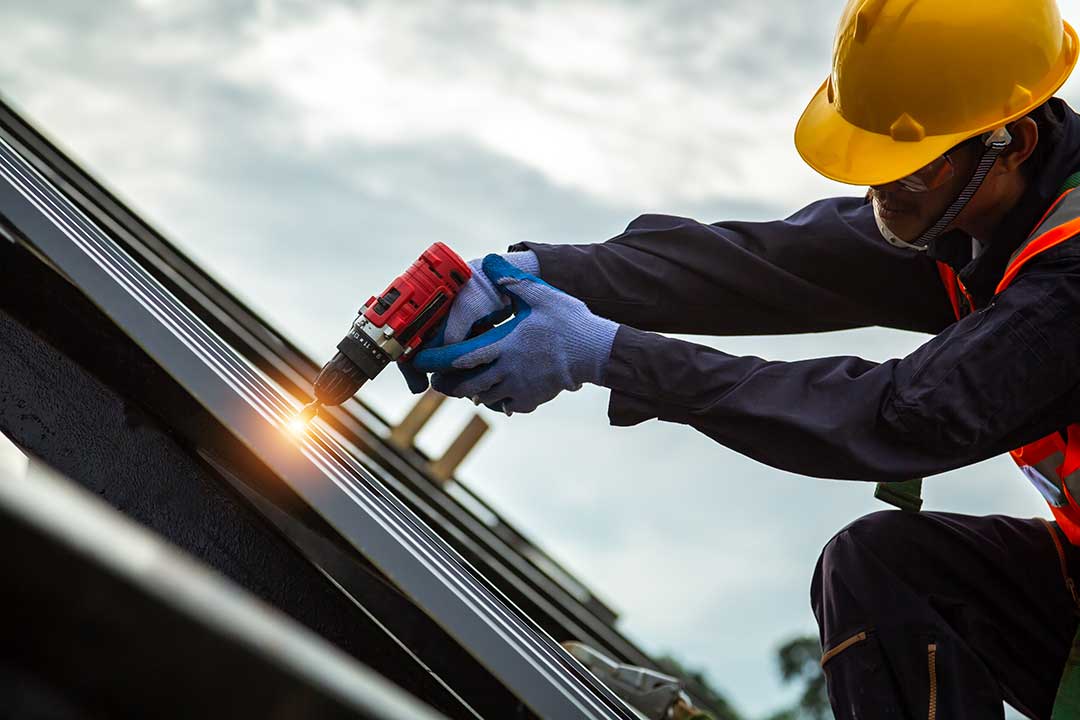
The practical question is not simply whether a roof is light or dark. It is whether the complete roof system performs well across the full year, including hot summer sun, freezing temperatures, wind-driven precipitation, snow accumulation, and spring thaw cycles.
Which roofing materials can have cool-roof properties?
Cool-roof performance is available in several roofing categories, although the options differ by roof design.
Low-slope roofs may use reflective single-ply membranes, modified bitumen products, coatings, or other systems designed to limit heat absorption. Steeper residential roofs may use reflective metal, tile, or specially formulated asphalt shingles.
Not every white or light-colored product qualifies as a high-performance cool roof, and not every dark roof performs poorly. Product ratings, aged reflectance, thermal emittance, warranty requirements, and compatibility with the existing roof assembly should all be reviewed.
Coatings require particular caution. They must be compatible with the roofing material, applied to a properly prepared surface, and maintained according to the product’s requirements. Applying a coating over trapped moisture or deteriorated materials can conceal problems rather than solve them.
Can a cool roof reduce neighborhood heat?
Cool roofs can reduce the amount of heat released from roof surfaces into the surrounding air. The community-wide effect is more noticeable where many buildings have large sun-exposed roofs and paved surfaces.
For an individual home, the local temperature change may be difficult to notice. The more immediate benefit is usually reduced heat transfer into the building. Still, reflective roofing can contribute to broader efforts to limit excessive summer heat, particularly in areas with dense housing and limited shade.
What should homeowners consider before choosing one?
Roof replacement is usually the most practical time to consider cool-roof materials because the roof assembly is already being evaluated. Before selecting a product, consider:
- Whether the roof is steep-slope or low-slope
- The condition of decking, flashing, and underlayment
- Attic insulation and ventilation
- Summer overheating in upper rooms
- Winter heating needs
- Snow and ice management concerns
- The product’s aged reflectance and thermal emittance
- Appearance requirements and neighborhood design expectations
- Whether the roof is still serviceable enough to justify a coating or surface treatment
A cool roof makes the most sense when its properties match the building’s needs. In some homes, the best improvement may be reflective roofing. In others, insulation, air sealing, ventilation, shading, or drainage work may provide greater value.
The central benefit is straightforward: a cool roof absorbs less solar heat and transfers less of that heat indoors. For local households, the decision should account for the entire year rather than focusing only on a few hot summer days.
