
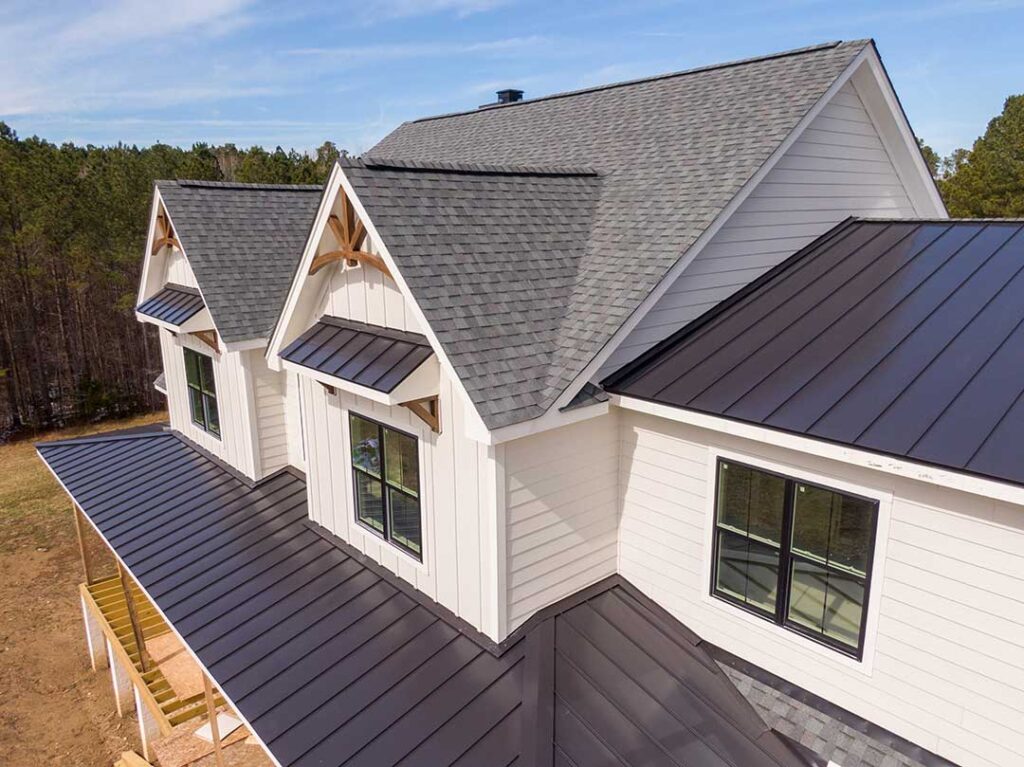
Roof damage caused by animals is often gradual rather than dramatic. Birds, squirrels, raccoons, bats, insects, and even domestic pets can disturb shingles, loosen flashing, block drainage, or create openings that allow water into the roof system.
In Ithaca, NY, freeze-thaw cycles, heavy rain, snow, and shaded or wooded properties can make small animal-related defects more serious over time. A minor gap around a vent or roof edge may become a source of moisture, heat loss, and interior damage if it is not noticed.
Which animals most commonly affect roofs?
Squirrels, birds, raccoons, bats, and insects are the most common wildlife-related concerns for residential roofs. Domestic animals may also contribute to damage, especially when they can reach low-slope roofs, porch roofs, dormers, or attached structures.
Squirrels
Squirrels can chew through soft materials around roof edges, fascia, soffits, vents, and utility penetrations. Their teeth may damage wood, plastic vent covers, and some types of protective screening.
Once inside a roof cavity, squirrels may disturb insulation, chew electrical wiring, and build nests near warm areas. Their activity is often most noticeable during the day as scratching, gnawing, or movement above ceilings.
Birds
Birds commonly use gaps near eaves, chimneys, ridge vents, and roof-mounted equipment for nesting. Nesting materials can block ventilation openings or collect moisture against wood components.
Bird droppings can also accelerate surface wear on some roofing materials and create slippery conditions on walkways or lower roof sections. A single nest may not damage a roof, but repeated nesting in the same opening can enlarge the entry point.
Raccoons
Raccoons are strong enough to tear or lift loose shingles, roof-edge materials, screens, and poorly secured vents. They may enter through damaged soffits, roof returns, or openings near chimneys.
Their weight can also stress weak roof sections. If a raccoon or other large animal is entering an attic, the issue involves more than surface damage. Contaminated insulation, damaged wiring, and structural concerns may be present.
Bats
Bats can enter through very small gaps around flashing, ridge vents, soffits, and roof-wall intersections. They often use attics as roosting areas during warmer months.
Bat activity requires careful handling because removal methods may be restricted during certain seasons, particularly when young bats may be unable to leave on their own. Exclusion work should also prevent bats from becoming trapped inside the building.
Insects
Carpenter ants, termites, wasps, and other insects may use roof components that have already been weakened by moisture. In some cases, insects are not the original cause of the damage; they are a sign that wet or decaying wood is present.
Insects can also create entry points through wood trim, soffits, and roof edges. Mud tubes, sawdust-like debris, insect wings, or repeated activity near roof framing deserve attention.
How do animals damage shingles and roof coverings?
Animals most often damage roof coverings by lifting, scratching, chewing, puncturing, or repeatedly walking across vulnerable areas. Loose shingles provide an easy starting point because wind and animal movement can enlarge an existing defect.
Common signs include:
- Missing, curled, or displaced shingles
- Claw marks or torn roofing material
- Holes near vents, chimneys, and roof edges
- Nesting material under shingles or near ventilation openings
- Damaged ridge caps or flashing
- Droppings concentrated on one roof section
- Feathers, fur, or nesting debris near attic openings
Roof coverings can also be damaged indirectly. An animal may not puncture a shingle but may loosen the material beneath it, expose underlayment, or create a path for wind-driven rain.
Can animals cause leaks even when the roof looks intact?
Yes. Water can enter through small openings that are difficult to see from the ground. Damage may occur beneath shingles, behind flashing, or at the connection between the roof and exterior wall.
A leak connected to animal activity may appear indoors as:
- A ceiling stain that grows after rain
- Damp insulation in the attic
- Musty odors
- Peeling paint near upper walls
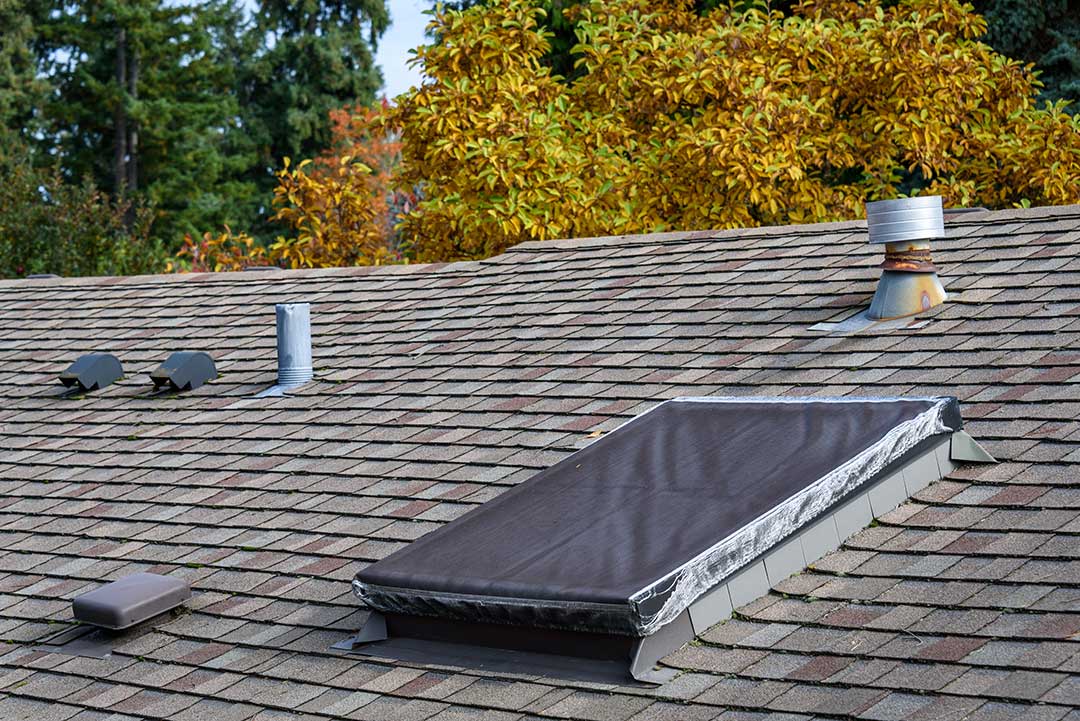
- Drips around a chimney, vent, or skylight
- Frost or wet wood in the attic during cold weather
In Ithaca, winter conditions can make hidden openings more troublesome. Water that enters during a storm may freeze within a roof assembly, then expand or move as temperatures change. Repeated wetting and drying can weaken wood and insulation even when interior symptoms are intermittent.
Why are roof edges and ventilation openings vulnerable?
Roof edges, soffits, fascia, vents, and flashing contain joints and transitions that animals can exploit. These areas also tend to use thinner materials or protective screens rather than the main roof covering.
Ventilation openings are especially important because they allow air movement through the attic. Blocking them with nests or closing them improperly can trap moisture and heat. That may contribute to condensation, mold growth, deteriorating sheathing, and premature aging of roofing materials.
Protective screens should be secure and appropriate for the opening. A screen that is too weak can be chewed through, while a material that blocks airflow may create a different roof problem.
How can homeowners inspect for animal-related roof damage safely?
A ground-level inspection can identify warning signs without requiring anyone to climb onto the roof. Use binoculars to examine roof edges, vents, chimney areas, and nearby tree limbs.
Inside the attic, look for daylight entering through the roof, disturbed insulation, droppings, nesting materials, gnaw marks, and stains on rafters or roof sheathing. Listen for movement at different times of day because some animals are active in daylight while others are nocturnal.
Avoid entering areas with strong odors, significant droppings, visible bats, aggressive wildlife, or damaged electrical wiring. Animal waste can carry health risks, and disturbing certain species can create additional problems.
Should a suspected entry hole be sealed immediately?
Not always. Sealing an opening without confirming that the animal has left can trap wildlife inside the roof or attic. This can lead to distress, odor, additional damage, or an attempt to escape through another part of the building.
Before closing a suspected entry point, determine:
- What species is using the opening
- Whether young animals may be present
- Whether the opening is an active entrance or an exit
- Whether other access points exist
- Whether local wildlife rules affect the timing or method of exclusion
Temporary measures should not block essential ventilation or create a hazard. Durable repairs generally require both removal or exclusion and correction of the damaged roofing component.
How do trees and nearby structures increase animal-related roof risks?
Trees provide access routes to roofs, particularly where branches touch or overhang the structure. Squirrels and other animals can move from branches to roof edges, while fallen limbs may damage shingles, flashing, or gutters.
Dense shade can also slow roof drying after rain or snowmelt. Moist conditions may encourage moss, algae, and wood decay, making roof materials easier for animals to disturb.
Other access points may include attached garages, porches, dormers, trellises, utility lines, and stacked materials near exterior walls. A roof may be in good condition while an adjacent structure gives wildlife a convenient route to the attic.
When does animal damage require prompt attention?
Prompt attention is warranted when water is entering, an opening leads directly into an attic, electrical wiring appears damaged, a large animal is present, or the roof covering has been displaced in a way that exposes underlayment or wood.
A damaged roof edge can also become more vulnerable during heavy rain, strong wind, snow, and ice buildup. In cold weather, exposed materials may deteriorate quickly through repeated freezing and thawing.
The safest response depends on the animal, the location of the damage, and whether the roof can be inspected without fall exposure. Wildlife removal, contaminated insulation, unstable roof areas, and electrical hazards should not be handled casually.
Roof integrity is preserved best when animal access and building damage are addressed together. Removing a nest without repairing the opening leaves the roof vulnerable to repeat entry, while patching a hole without understanding the cause may trap an animal or overlook moisture damage.
