
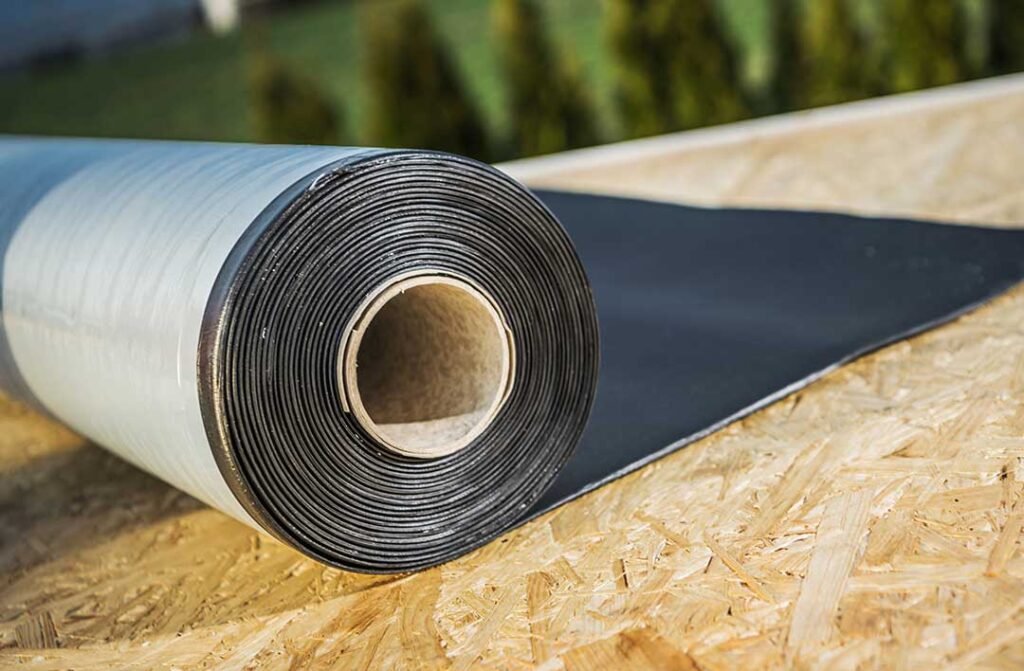
Roof repairs can look deceptively simple from the ground. Replacing a few shingles, clearing a gutter, or sealing a small exposed nail may seem manageable, but roof work combines height, weather, fragile materials, and hidden structural risks.
For homeowners in Ithaca, NY, the safest do-it-yourself projects are usually those that can be completed from the ground, from a properly positioned ladder, or on a low-risk, nearly flat surface without stepping onto a steep or damaged roof. Anything involving significant height, snow, ice, structural damage, or a large section of roofing deserves much greater caution.
What roof work is usually reasonable to do yourself?
Small, clearly defined maintenance tasks may be suitable for a capable homeowner if the weather is dry and the work can be performed without unsafe climbing.
Examples may include:
- Cleaning leaves from accessible gutters while standing on stable ground or a properly secured ladder
- Replacing a missing gutter strap or downspout extension
- Removing small amounts of debris from a low-slope roof using a roof rake or ground-based tool
- Sealing a small, exposed roofing nail when the location is safely reachable
- Replacing a damaged vent cap that can be accessed without walking across a steep roof
- Inspecting attic areas for damp insulation, daylight, or water stains
- Photographing suspected damage from the ground for documentation
Even these tasks require judgment. A ladder should stand on firm, level ground, extend above the roof edge when used for roof access, and be secured against movement. Someone should remain nearby when practical. Tools should not be carried in a way that prevents both hands from being available during climbing.
A project is not automatically safe because it is small. A single loose shingle near a roof edge can create more danger than a larger repair in a protected, low-slope area.
When should you stay off the roof?
Do not climb onto a roof that is wet, icy, snow-covered, frost-covered, or visibly unstable. Moisture and freezing conditions reduce traction, while snow can hide skylights, weak decking, open valleys, and damaged flashing.
In the local climate, roof surfaces can remain slippery even after air temperatures rise above freezing. Morning frost, shaded roof planes, melting snow, and refrozen runoff near eaves can create dangerous conditions that are difficult to see from the ground.
Avoid roof access during or soon after:
- Rain or freezing precipitation
- Snowfall or strong wind
- Rapid temperature changes that create ice
- Severe weather warnings
- Hot, bright conditions that make asphalt shingles soft
- Any period when visibility is poor
A roof should also be treated as unsafe when shingles are loose over a soft area, decking feels spongy, gutters are pulling away, or tree limbs have struck the structure. These conditions can indicate damage below the visible surface.
How high is too high for DIY roof work?
There is no single height at which every homeowner becomes unsafe, but fall risk increases sharply once a person must work several feet above the ground or near an unprotected edge. Federal construction rules generally require fall protection for residential construction work performed six feet or more above a lower level. Homeowners working on their own property may not be treated exactly like employees under every regulation, but the safety principle still applies.
A fall from a one-story roof can cause serious injury, especially onto concrete, stone, fencing, equipment, or uneven ground. A second-story roof, steep gable, dormer, or roof above an addition should not be considered a routine DIY work area.
Do not rely on:
- A standard extension ladder as a substitute for fall protection
- A rope tied to an improvised anchor
- A tool belt that has not been designed for climbing safety
- A friend standing at the bottom of the ladder
- Temporary boards, plastic sheeting, or loose plywood as walking surfaces
- “Being careful” as the only protection near an edge
Proper fall protection requires suitable equipment, correct anchorage, training, and a plan for what happens if someone slips or becomes suspended in a harness. A harness alone does not prevent a fall and can create additional danger if it is improperly installed or used without rescue planning.
What roof conditions make DIY work especially risky?
Roof pitch is one of the most important factors. A low-slope roof may permit limited movement, while a steep roof can make it difficult to maintain balance even when the surface appears dry. The longer a person must work sideways, reach above shoulder height, or carry materials, the greater the risk.
Other warning signs include:
- Cracked, curled, brittle, or missing shingles across a broad area
- Sagging roof lines or ceilings
- Water entering around chimneys, valleys, skylights, or wall intersections
- Damaged rafters, trusses, or roof sheathing
- Heavy snow accumulation or large ice formations
- Moss or algae covering areas that may conceal deterioration
- A roof edge close to utility lines
- Multiple layers of old roofing
- Slate, tile, fragile historic materials, or unfamiliar metal systems
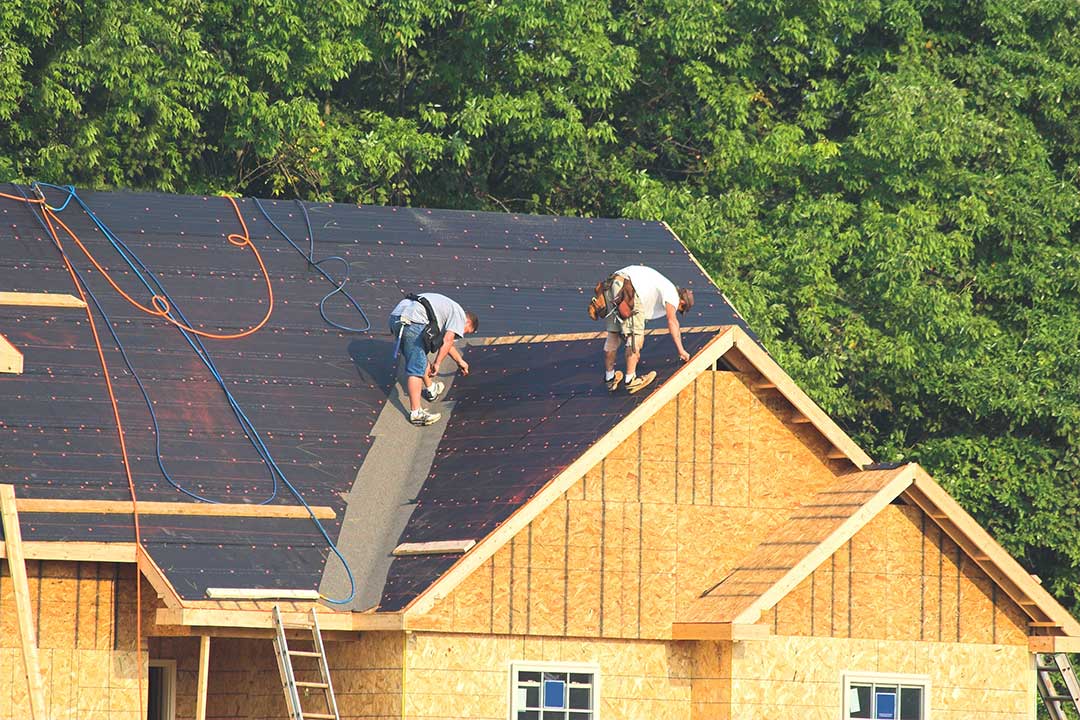
A roof that has been leaking for some time may have wet insulation, mold growth, rotted sheathing, or damaged framing. Covering the visible spot with roofing cement may stop water temporarily while leaving the underlying problem unresolved.
Is a roof inspection from the attic safer?
Often, yes. Attic inspection can reveal clues without requiring a person to walk on the roof. Look for darkened wood, water stains, damp insulation, rusted fasteners, daylight, and trails that show where water has traveled.
However, attic spaces have their own hazards. Step only on structural framing or properly installed walkways, not on the ceiling material between joists. Watch for exposed nails, electrical wiring, poor ventilation, pests, and limited headroom. A flashlight, gloves, eye protection, and a stable access ladder are sensible precautions.
Water stains do not always appear directly below the leak. Roof water can travel along rafters or sheathing before entering the ceiling, so interior evidence may need to be compared with exterior roof features.
What repairs should generally not be DIY projects?
Large or technically complex work should not be attempted casually. This includes full roof replacement, structural repairs, chimney flashing, major valley repairs, skylight installation, work near electrical lines, and repairs requiring movement across a steep roof.
Roof snow removal is another common source of injury and property damage. Shoveling from the roof can damage shingles, overload weak areas, or send snow onto people, vehicles, walkways, and landscaping. Ground-based roof rakes are safer for limited removal, but large or uneven accumulations may require specialized judgment.
Emergency tarping can also be hazardous. A tarp that is loose, poorly anchored, or installed during wind may become a sail, damage the roof, or pull someone toward an edge. Temporary protection is safest when it can be installed from a secure position without climbing onto unstable surfaces.
Do permits matter for homeowner roof repairs?
Sometimes. Permit requirements can depend on the scope of work, whether structural components are altered, whether the roof covering is being replaced, and which local code provisions apply. New York State building requirements also address roof loads, weather protection, and construction methods.
Before beginning a substantial repair or replacement, check the current requirements with the local code enforcement office. Do not assume that being the property owner eliminates permit, inspection, or code obligations. Work involving framing, ventilation changes, additions, or substantial roof replacement deserves particular attention.
A practical decision test before climbing
A roof project is more likely to be appropriate for DIY work when all of the following are true:
- The weather is dry, calm, and comfortably cool
- The roof is low-slope and free of ice, snow, or visible damage
- The task is small and clearly understood
- The work can be completed without reaching beyond a stable position
- The ladder and tools can be used safely
- No power lines, fragile materials, or structural concerns are present
- A safe way exists to stop and descend without rushing
If any of those conditions is missing, the safer choice is to work from the ground, postpone the project, or arrange for qualified assistance. The most useful DIY roof skill is recognizing when a repair has moved beyond a homeowner’s safe working limits.
