
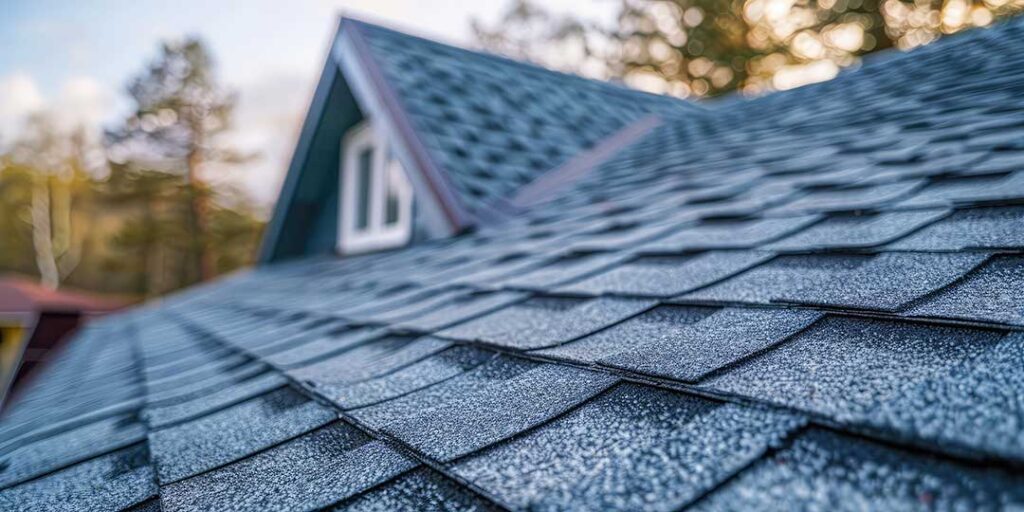
Roof fire ratings can seem like a technical label found on shingle packaging or building documents, but the basic idea is straightforward: the rating describes how a roof assembly performs when exposed to fire. For homeowners in Ithaca, NY, understanding the rating can help clarify code requirements, material choices, insurance questions, and the limits of a roof’s fire protection.
What is a roof fire rating?
A roof fire rating measures how well a roof covering and the materials beneath it resist ignition, flame spread, and the passage of fire. The rating usually applies to the complete roof assembly—not just the visible shingles or panels.
Roof assemblies are commonly classified as:
- Class A: The highest level of roof fire resistance.
- Class B: Provides moderate fire resistance.
- Class C: Provides basic fire resistance.
- Unrated: Has not been shown to meet the applicable tested classifications.
Testing generally evaluates how a roof responds to conditions such as flame exposure, burning brands, and heat. A product may perform differently depending on the roof deck, underlayment, installation method, slope, and other components used with it.
That is why a material should not be assumed to have a particular rating simply because it is made from metal, asphalt, wood, or another familiar substance.
Does a Class A roof mean the roof cannot burn?
No. Class A is not a guarantee that a roof is fireproof or that a building cannot catch fire. It indicates the strongest level among the standard Class A, B, and C roof classifications under the applicable test method.
A severe fire can still damage or destroy a Class A roof. Fire may enter through:
- Exposed roof edges
- Eaves and soffits
- Attic vents
- Skylights
- Chimneys and roof penetrations
- Gaps caused by deterioration or poor installation
- Nearby combustible trees, debris, or structures
Class A primarily reduces the likelihood that a roof covering will ignite quickly or allow fire to spread across the roof surface. It does not replace defensible space, working smoke alarms, safe heating practices, or proper electrical maintenance.
Which roofing materials commonly receive higher fire ratings?
Many commonly used roofing systems can achieve Class A when tested and installed as part of a listed assembly.
Examples may include:
- Asphalt shingles installed with the required underlayment and roof deck
- Clay or concrete tile
- Slate
- Certain metal panels and metal shingles
- Some roof systems incorporating photovoltaic equipment
- Certain built-up, modified bitumen, or single-ply systems used on low-slope roofs
Metal roofing is often described as fire-resistant, and noncombustible metal coverings may qualify as Class A in specific assemblies. However, the rating can depend on what lies beneath the metal, including the deck and underlayment.
Wood shingles and shakes require closer attention. Some are untreated and may be unrated, while others receive fire-retardant treatment and are tested to a stated classification. Treatment does not make wood noncombustible, and the product must be properly labeled and installed according to its listing.
Why does the roof assembly matter more than the top layer?
A roof is a system made of several layers. These may include the roof deck, underlayment, ice-barrier materials, ventilation components, fasteners, insulation, and the exposed roof covering.
Changing one part of the system can affect its tested performance. For example, replacing a specified underlayment with a different material, adding an unapproved coating, or installing shingles over an unsuitable deck may mean the finished roof no longer matches the tested assembly.
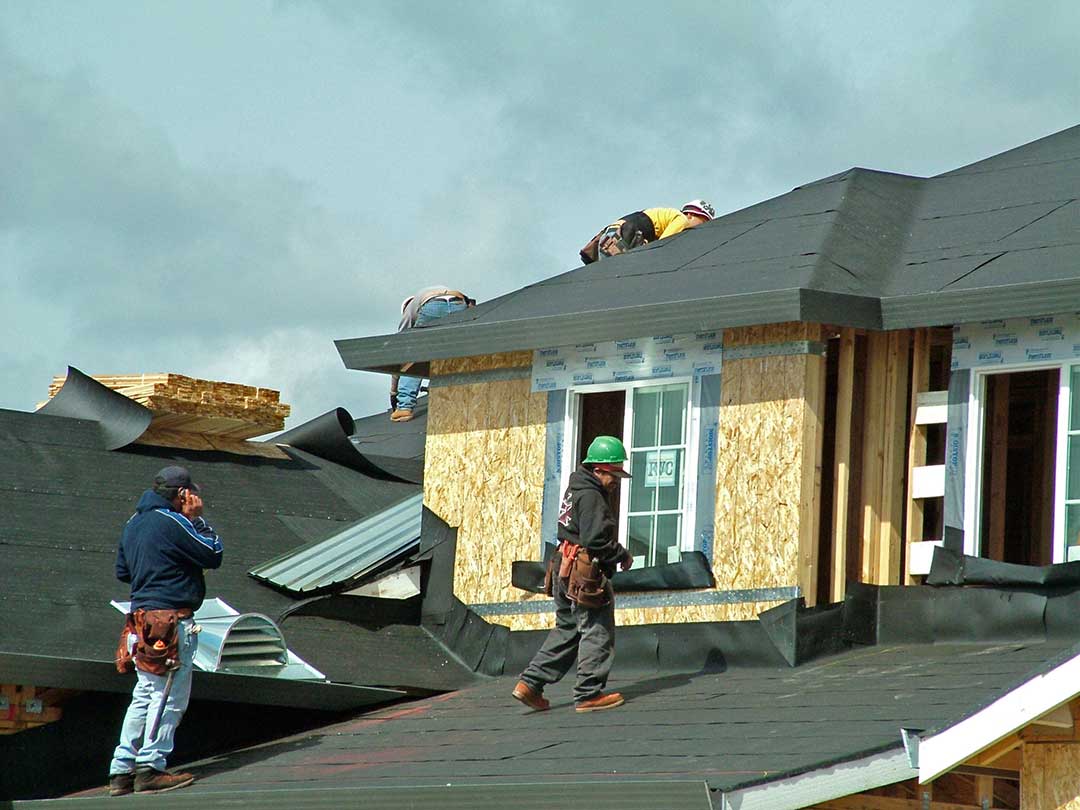
This is especially relevant during reroofing. A new covering placed over an older roof may not have the same fire performance as the product shown in laboratory testing. The number of existing layers, deck condition, and ventilation arrangement can also affect whether the proposed installation complies with current requirements.
What do New York building rules require?
New York’s residential building provisions address roof fire classification in the roof assembly chapter. Where a fire classification is required, the assembly must be tested under recognized standards and identified by an approved testing or listing agency.
The rules also address roofs located close to property lines. In the current code framework, Class A, B, or C roof assemblies may be required in jurisdictions designated by law or where the roof edge is less than 3 feet from a lot line. Local site conditions and the type of building can affect which provisions apply.
Permit requirements also matter. Roof replacement, structural changes, alterations to historic properties, and other work governed by the Uniform Code may require approval before work begins. Requirements can vary depending on whether a property is within the City of Ithaca, another local jurisdiction, or a designated historic area.
A roof label or product brochure should not be treated as a substitute for checking the code provisions that apply to the specific property.
How do Ithaca’s seasonal conditions affect roof fire performance?
Snow, ice, freeze-thaw cycles, and moisture do not usually change a roof’s certified fire class by themselves, but they can affect the roof’s condition over time.
In this region, homeowners may see:
- Ice buildup that stresses eaves and roof edges
- Wind-driven snow entering through damaged areas
- Repeated expansion and contraction around flashing
- Moss or organic debris in shaded, damp locations
- Cracked sealants and deteriorated roof penetrations
- Snow-covered or obstructed vents
These conditions can create openings or add combustible debris even when the original roof assembly had a valid rating. Leaves, dry branches, and accumulated organic material near roof valleys, chimneys, and low-slope sections can also increase ignition risk.
Fire resistance is therefore partly a product characteristic and partly a maintenance issue.
Do solar panels and skylights affect a roof’s fire rating?
They can. Rooftop-mounted photovoltaic systems are subject to their own fire-classification requirements and must be compatible with the roof assembly. Building-integrated photovoltaic products, such as solar shingles, are evaluated differently from panels installed above an existing roof covering.
Skylights, vents, chimneys, and other penetrations may also require specific clearances, flashing, and installation details. A roof that was originally tested as an uninterrupted assembly may not perform identically after multiple penetrations or alterations are added.
Whenever roof-mounted equipment is installed, the documentation should identify the fire classification of the complete system and the required installation arrangement.
What should homeowners check before replacing a roof?
Before choosing a replacement material, review more than the color and surface appearance. Useful questions include:
- What is the tested fire classification of the complete roof assembly?
- Does the rating apply to the proposed roof deck and underlayment?
- Is the product listed for the roof slope and installation method?
- Are multiple roof layers permitted?
- Will solar equipment, skylights, or other penetrations change the assembly?
- Is a permit required for the planned work?
- Does the property have historic-district or landmark requirements?
- Are manufacturer instructions consistent with New York code requirements?
Product labels, installation instructions, and permit documents should agree. If they do not, the discrepancy should be resolved before materials are installed.
A roof fire rating is useful because it provides a tested measure of performance, but it is only one part of fire safety. The roof’s condition, installation quality, attic ventilation, penetrations, surrounding vegetation, heating equipment, and household fire-prevention practices all influence the actual risk to a home.
