

What does preventive roof maintenance mean?
Preventive roof maintenance is the routine inspection, cleaning, minor repair, and monitoring that helps a roof remain watertight before a visible leak or major failure occurs. It focuses on finding small problems early, when they are usually easier and less disruptive to address.
A roof does not normally fail all at once. Damage often develops through a series of overlooked changes:
- A lifted shingle allows water beneath the roofing material.
- A small flashing gap expands during repeated freezing and thawing.
- Clogged drainage causes water to remain along an edge or valley.
- Damp insulation stays unnoticed until interior staining appears.
- Moss or debris holds moisture against roofing materials.
Regular attention helps identify these conditions before they affect ceilings, walls, insulation, framing, or personal belongings.
Why is roof maintenance especially useful in Ithaca?
Ithaca experiences weather patterns that can place repeated stress on roofing systems. Snow, ice, rain, wind, temperature swings, and periods of high humidity can all affect roofing materials and drainage components.
Freeze-thaw cycles are particularly significant. Water enters a small crack or opening, freezes, expands, and then contracts as temperatures rise. Repetition can loosen fasteners, widen gaps, and damage sealants around penetrations and flashing.
Snow and ice also add temporary weight and can expose weak areas that were not obvious during milder weather. Ice dams may form when heat escapes unevenly through the roof and melts snow above colder eaves. The resulting water can move beneath shingles and into roof edges, insulation, or interior finishes.
Summer conditions create a different set of concerns. Strong sunlight can age exposed materials, while heavy rain can test gutters, valleys, flashing, and drainage paths. Seasonal debris from nearby trees may collect in gutters or against roof surfaces, keeping areas damp for longer periods.
How does preventive maintenance extend roof life?
Preventive maintenance extends roof life by reducing the amount of time that moisture, wind, and ultraviolet exposure can act on vulnerable areas. It also helps preserve the components that work together to keep a roof watertight.
A roof includes more than the visible shingles or membrane. Its performance depends on:
- Flashing around chimneys, vents, skylights, and wall intersections
- Underlayment beneath the outer roofing material
- Ventilation and insulation in the attic
- Drip edges and other edge details
- Gutters, downspouts, and drainage routes
- Sealants, fasteners, and penetrations
If one component begins to fail, the surrounding materials may deteriorate more quickly. For example, a small flashing defect can allow water into the roof assembly. The roof covering may still look acceptable from the ground while the sheathing or insulation below gradually absorbs moisture.
Maintenance cannot stop normal aging, but it can reduce avoidable damage. A roof that is kept clear, properly drained, adequately ventilated, and promptly repaired may remain serviceable longer than one exposed to repeated moisture problems.
What should a routine roof inspection look for?
A useful inspection examines both the roof surface and the areas where water enters, exits, or changes direction. Visible materials should be checked for aging, movement, and damage, but hidden or less obvious areas also deserve attention.
Common inspection points include:
- Missing, cracked, curled, or displaced shingles
- Exposed nail heads or loose fasteners
- Damaged flashing near roof penetrations and wall intersections
- Sagging areas or uneven roof lines
- Granules collecting in gutters or at downspout outlets
- Blocked gutters and downspouts
- Moss, leaves, branches, or other organic debris
- Damaged vent covers or deteriorated pipe collars
- Moisture staining or musty odors in the attic
- Damp insulation or visible daylight through the roof deck
- Inadequate attic airflow or signs of condensation
Ground-level observation is useful for spotting obvious concerns, but it does not replace a close inspection. Roof surfaces can be slippery, and steep, icy, or snow-covered areas create fall hazards. Walking on roofing materials can also cause damage, especially when materials are cold or brittle.
How often should a roof be maintained?
Most roofs benefit from a basic review at least twice each year, commonly in spring and fall, along with additional checks after severe wind, heavy snow, or unusually intense rainfall. The appropriate schedule depends on the roof’s age, slope, materials, surrounding trees, drainage design, and previous repair history.
Spring maintenance can reveal damage caused by winter weather. It is a practical time to look for displaced materials, damaged flashing, blocked drainage, and signs of moisture intrusion.
Fall maintenance helps prepare the roof and drainage system for snow and ice. Leaves and small branches should not be allowed to remain in gutters or valleys for extended periods, since trapped moisture can accelerate deterioration.
Additional attention may be useful after:
- Strong wind that may loosen or lift roofing materials
- Heavy snow or repeated freeze-thaw conditions
- Fallen branches
- Ice buildup along roof edges
- Interior ceiling stains or unexplained dampness
- Major gutter overflow during rain
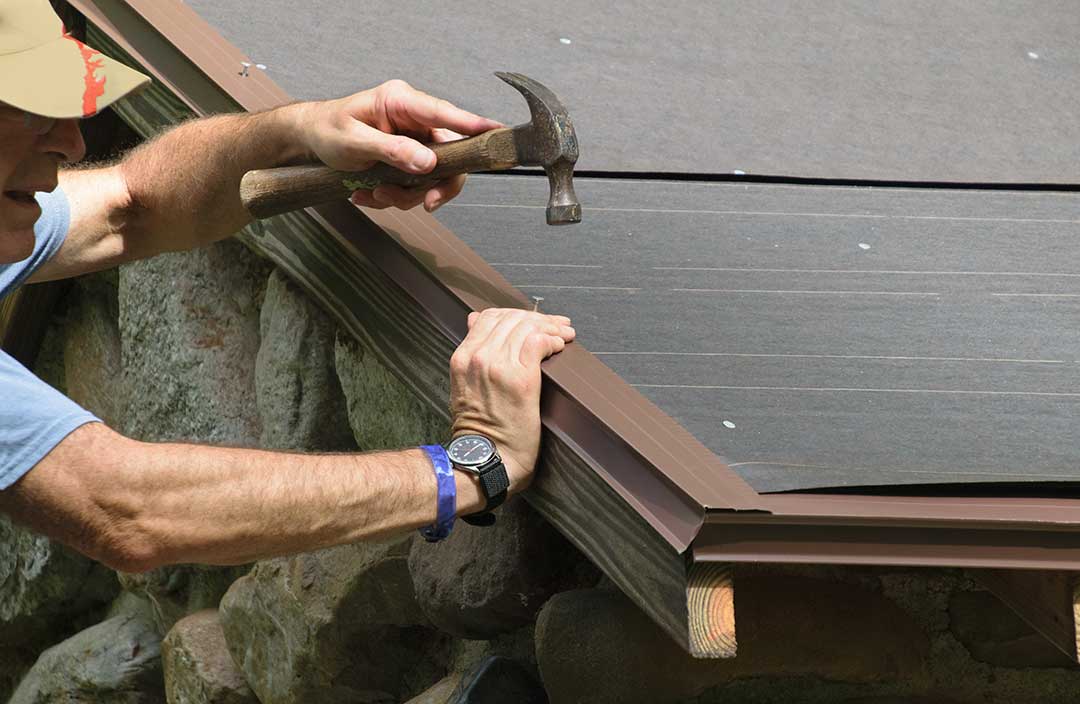
A newer roof still benefits from maintenance. Age is only one factor in roof performance, and a relatively young roof can develop problems because of storm damage, poor drainage, attic moisture, or installation-related defects.
What does preventive maintenance cost compared with major repairs?
Preventive maintenance generally costs less than repairing damage that has spread into multiple parts of a building. The difference is not limited to roofing materials. Water intrusion can affect insulation, drywall, paint, electrical components, flooring, trim, and structural wood.
A small repair may involve replacing a limited section of material or correcting a drainage issue. A delayed repair may require removal of larger areas to locate hidden moisture and replace damaged layers.
Maintenance also helps with planning. Knowing that a roof is approaching the end of its expected service life allows household budgets and repair decisions to be organized before an emergency develops. This does not mean replacing a roof solely because it is old. Condition, performance, repair history, and remaining useful life all matter.
Can maintenance prevent every roof leak?
No. Preventive maintenance lowers the likelihood and severity of problems, but it cannot prevent every leak. Severe storms, falling branches, hidden construction defects, material aging, and unexpected damage can still occur.
Maintenance is most effective when it is combined with prompt attention to warning signs. Interior stains, peeling paint near ceilings, damp attic insulation, dripping during rain, or a musty odor should not be dismissed simply because the roof appears normal from the ground.
A leak may not appear directly below its entry point. Water can travel along roof decking, rafters, insulation, or wall cavities before becoming visible indoors. For that reason, the location of a ceiling stain may not identify the exact source.
Which maintenance tasks are unsafe to do personally?
Some simple observations can be performed from the ground or from accessible interior spaces, but roof access can be hazardous. Wet surfaces, steep slopes, ice, unstable ladders, hidden weak spots, and overhead electrical hazards create serious risks.
Tasks requiring roof access, work near power lines, inspection of steep or snow-covered surfaces, or repair around difficult penetrations may require appropriate training and safety equipment. Building codes, manufacturer requirements, and local rules may also affect certain repairs or alterations.
The most practical role for a homeowner is often to monitor visible conditions, keep records, maintain accessible drainage areas safely, and respond quickly when warning signs appear. Preventive care works best as an ongoing habit rather than a single inspection after damage has already occurred.
What is the long-term value of a maintenance record?
A maintenance record makes roof decisions more informed. Dates, photographs, observed conditions, repairs, storm events, and areas that need monitoring can reveal patterns over time.
Useful records may include:
- The approximate installation date
- Roofing material and known warranty information
- Previous repairs or replacements
- Inspection findings
- Gutter and drainage problems
- Evidence of leaks or attic moisture
- Storm-related observations
- Photographs of recurring trouble spots
For area households, this information can help distinguish normal aging from sudden damage. It also supports better timing for repairs and reduces the chance that a small, manageable issue will remain unnoticed through another winter.
