

A roof emergency can begin with a sudden leak, a fallen branch, missing shingles, wind damage, ice buildup, or water entering around a chimney or roof vent. The first priority is not stopping every drop of water immediately. It is protecting people, limiting interior damage, and avoiding unsafe repairs.
What counts as a roof emergency?
A roof problem is an emergency when it creates an immediate risk to people, the structure, or essential household systems. Active water entering the living space is the most common example, but other conditions can be just as serious.
Examples include:
- A section of roof has collapsed or is sagging noticeably.
- Large areas of shingles or membrane have blown away.
- A tree limb has punctured the roof or damaged the framing.
- Water is reaching electrical fixtures, wiring, outlets, or appliances.
- Ceilings are bulging from trapped water.
- The roof has shifted after heavy snow, ice, or wind.
- A damaged chimney, vent, or flashing area is allowing rapid water entry.
A few stained shingles or an old leak that is not actively worsening may require prompt attention, but they are different from a structural emergency. The response should match the level of danger.
What should happen in the first few minutes?
Move people away from the affected area and shut off electricity only if the electrical panel can be reached safely from a dry location. Do not walk through standing water to reach a switch or panel.
Place buckets or waterproof containers under drips, but do not stand beneath a sagging ceiling. A water-filled ceiling can become heavy enough to fail without much warning. If the ceiling is bulging, leave the room and keep others out.
Protect furniture and belongings only when doing so does not expose anyone to falling materials, electrical hazards, broken glass, or unstable flooring. Move undamaged items away from the leak and cover them with plastic sheeting if it can be done from a safe position.
If there is smoke, sparking, a strong burning odor, a gas smell, or visible structural movement, leave the home and use emergency services as appropriate.
Should you climb onto the roof during an emergency?
In most cases, no. A wet, icy, snow-covered, or wind-damaged roof is especially dangerous. Roofing materials may be loose, hidden damage may weaken the deck, and ladders can slide on frozen ground or wet pavement.
This risk is particularly relevant during Ithaca winters, when snow, freezing rain, thawing conditions, and strong winds can occur close together. Snow and ice may conceal open roof edges, damaged skylights, or weak areas. Walking on a roof during or shortly after a storm can also damage materials that are still intact.
Do not attempt emergency roof work during lightning, high winds, active snowfall, freezing rain, or poor visibility. A roof that appears stable from the ground may not be safe to walk on.
How can a leak be contained safely from inside?
Temporary indoor measures can reduce damage while the roof remains unsafe to access.
If water is dripping through a ceiling, place a container below it and remove nearby items. For a small, localized leak, a bucket may be enough. For a larger leak, use towels or absorbent materials around the container to protect flooring, but replace them before they become saturated.
A ceiling may sometimes be carefully opened at the lowest point of a visible bulge to release trapped water, but this should not be attempted if electrical wiring, recessed lights, plumbing, or uncertain structural conditions are present. When in doubt, leave the ceiling untouched and isolate the area.
For upper-floor leaks, check the attic only if it can be reached without entering a wet, dark, or unstable space. Do not step directly on insulation or between ceiling joists. A flashlight, rather than an open flame, should be used.
Is putting up a tarp a good temporary repair?
A tarp can reduce further water entry, but it is not automatically safe to install. A temporary covering works only when the roof area is structurally sound and the covering can be secured without climbing into hazardous conditions.
Improvised fastening with loose boards, nails, or heavy objects can create additional hazards. A tarp that tears, comes loose, or collects water may worsen the damage. Never cover a roof collapse, a severely sagging section, or an area with exposed electrical equipment.
If a temporary covering is installed by someone qualified and conditions are safe, it should extend beyond the damaged area and direct water downhill rather than trap it beneath the material. The covering is only a short-term measure. It does not replace drying wet materials, repairing the opening, or checking hidden damage.
What should Ithaca residents do after snow, ice, or wind damage?
Do not use a shovel, axe, or roof rake from a ladder to remove roof snow unless the equipment and method are specifically designed for safe use. Pulling snow from one location can overload another area or damage shingles, flashing, gutters, and vents.
Watch for warning signs of structural stress:
- New sagging along the roofline or ceiling.
- Doors that suddenly stick.
- Cracks around upper walls, ceilings, or interior door frames.
- Popping, creaking, or shifting sounds.
- Water appearing near light fixtures or electrical equipment.
- Gutters or roof edges pulling away from the building.
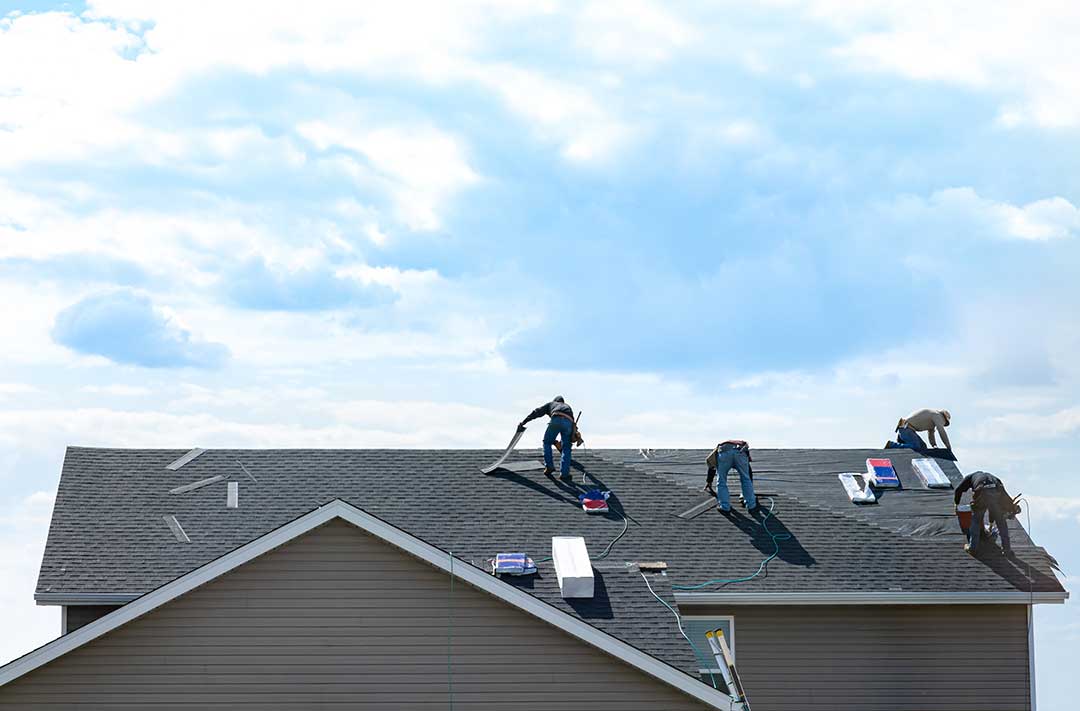
Snow and ice can also block furnace or appliance vents. If a vent exits through the roof or sidewall and may be obstructed, stop using the appliance until the vent can be checked safely. Carbon monoxide can accumulate when combustion equipment cannot exhaust properly.
Ice dams may cause water to back up beneath shingles, especially where attic insulation and ventilation are uneven. Removing visible indoor water does not resolve the cause. The roof edge, attic, insulation, and ceiling materials may still need inspection after the weather improves.
How should damage be documented?
Take photographs and short videos from safe locations before moving damaged materials. Document the date, weather conditions, affected rooms, visible roof damage, ceiling stains, damaged belongings, and temporary steps taken to limit water entry.
Keep receipts for emergency supplies, cleanup materials, temporary lodging, or other direct expenses. Do not throw away damaged property until it has been documented, unless it presents a health or safety hazard.
Insurance policies differ. Some cover sudden storm damage but exclude long-term deterioration, poor maintenance, or certain types of water intrusion. Promptly reviewing the policy and reporting the loss according to its requirements can prevent confusion later. Documentation is useful even when the final repair is paid out of pocket.
What should be checked after the immediate leak stops?
A stopped leak does not prove that the roof is repaired. Water may have traveled along rafters, insulation, wiring, or wall cavities before appearing indoors. Wet insulation, wood framing, drywall, and flooring can develop mold or decay if they are not dried.
After conditions are safe, check:
- The roof covering and underlayment.
- Flashing around chimneys, vents, skylights, and wall intersections.
- Gutters, downspouts, and roof edges.
- Attic insulation and roof sheathing.
- Ceilings, wall cavities, and flooring below the leak.
- Electrical fixtures or wiring exposed to water.
- Signs of mold, musty odors, or continuing moisture.
Repairs involving structural instability, electrical hazards, major tree impact, steep or icy roofs, or extensive water damage should not be treated as routine do-it-yourself work. In those situations, safety and proper stabilization come before appearance or permanent replacement.
