

Roof damage rarely begins with a dramatic collapse or a large ceiling leak. More often, it starts with a missing shingle, a loose piece of flashing, damp insulation, or a small stain that becomes easier to overlook over time.
For households in Ithaca, seasonal snow, ice, wind, heavy rain, and repeated freeze-thaw cycles can place extra stress on roofing materials. Learning what to look for can help identify problems before water reaches ceilings, walls, insulation, or framing.
What are the earliest visible signs of roof damage?
The first warning signs are usually changes in the roof covering, drainage system, or areas where different materials meet. A ground-level inspection with binoculars can reveal many of them without requiring anyone to climb onto the roof.
Look for:
- Shingles that are missing, cracked, curled, blistered, or noticeably darker than surrounding shingles
- Small areas where the roof appears uneven or wavy
- Exposed underlayment or roof decking
- Granules collecting in gutters or at the base of downspouts
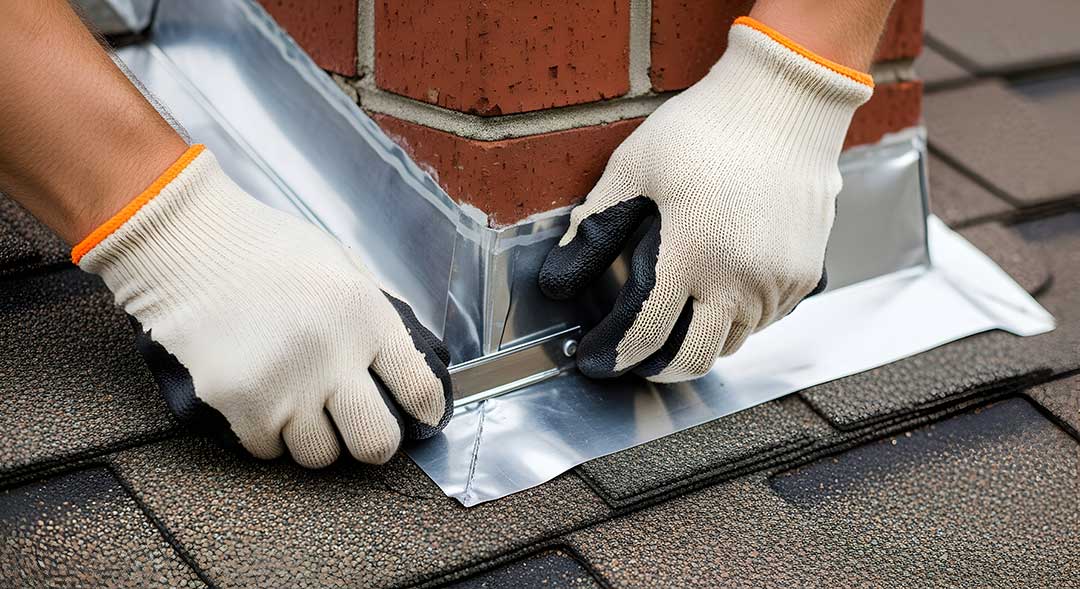
- Loose or bent metal around chimneys, vents, skylights, and roof edges
- Sagging gutters or sections that pull away from the fascia
- Water stains on exterior siding below roof valleys or flashing
A few granules in a gutter may be normal, especially after a new roof installation. A concentrated buildup, however, can indicate that shingles are losing their protective surface.
How can shingles reveal a developing problem?
Healthy shingles generally lie flat and maintain a consistent appearance across the roof. Curling edges, lifted tabs, cracks, and bald patches suggest that the shingles are no longer shedding water as reliably as intended.
After strong wind, inspect the roofline from the ground for irregular rows or exposed dark strips. Wind damage is not always dramatic. A shingle may remain in place while its seal loosens, allowing future wind or rain to lift it further.
Pay particular attention to roof sections beneath overhanging branches. Falling limbs, repeated rubbing, and accumulated leaf debris can damage the surface gradually. Debris that remains wet for long periods may also encourage moss or algae growth, although growth alone does not always mean the roof is leaking.
What do roof leaks look like inside the house?
Interior evidence may appear before the exterior damage is easy to see. Check ceilings, upper-floor walls, closets, and rooms located below roof valleys or plumbing penetrations.
Possible signs include:
- Yellow, brown, or gray ceiling stains
- Peeling paint or bubbling drywall
- Damp or musty odors after rain
- Soft spots in ceiling materials
- Mold-like discoloration around attic sheathing
- Water marks that expand after storms
- Damp insulation or darkened roof framing
A stain does not always appear directly below the entry point. Water can travel along rafters, roof decking, insulation, or framing before reaching the interior surface. For that reason, a ceiling mark near an outside wall may originate several feet away on the roof.
A stain that is dry today may still represent an active problem. Roof leaks often occur only during wind-driven rain, melting snow, or specific weather conditions.
Why should homeowners inspect the attic?
The attic can reveal early moisture problems before they affect finished rooms. On a dry day, use a flashlight to look at the underside of the roof deck, rafters, insulation, and areas around vents or chimneys.
Warning signs include:
- Wet or compressed insulation
- Dark stains on roof decking
- Rusted nails or metal fasteners
- Mold or mildew-like growth
- Rotted or softened wood
- Frost on the underside of the roof during cold weather
- Daylight visible through areas that should be sealed
Frost in an attic can indicate that warm, moist indoor air is reaching a cold roof surface. That moisture may later melt and contribute to staining, wood deterioration, or ice-dam problems.
Bathroom fans, kitchen exhaust systems, and clothes dryers should vent outdoors rather than into an attic. Moist air discharged into the attic can create condensation that resembles a roof leak.
Are icicles always a sign of roof damage?
Icicles do not automatically mean the roof is leaking, but large or repeated icicles deserve attention. They often form when heat escapes into the attic, melts snow on the upper roof, and the water refreezes near the colder eaves.
An ice dam can block normal drainage. Meltwater may then move beneath shingles and enter the attic, walls, or ceiling. In Ithaca, this risk is higher during winter weather that repeatedly shifts above and below freezing.
Look for:
- Thick bands of ice along the eaves
- Water stains near exterior walls
- Damp insulation near roof edges
- Icicles accompanied by ceiling or wall discoloration
- Gutters that sag under snow or ice
Do not chop at ice dams or climb onto an icy roof. Falling ice and unstable footing create serious hazards, and improvised removal can damage shingles, gutters, and flashing.
Which roof areas deserve the closest inspection?
Some locations are more vulnerable because they interrupt the normal flow of water. During a visual inspection, pay close attention to:
- Valleys where two roof slopes meet
- Chimneys and masonry edges
- Plumbing vents and exhaust vents
- Skylights
- Dormers and roof-to-wall intersections
- Eaves, soffits, and fascia boards
- Areas beneath trees
- Places where older and newer roofing materials meet
Flashing in these areas directs water away from openings and joints. Bent, corroded, loose, or missing flashing can allow water to enter even when surrounding shingles appear intact.
Soffit and fascia damage can also point to hidden moisture. Peeling paint, swollen wood, rot, or dark staining near the roof edge may indicate that water is entering behind the gutter or at the eaves.
What should be checked after a storm?
After strong wind, heavy rain, hail, or wet snow, inspect the property from the ground once conditions are safe. Check for fallen shingles, exposed roofing, damaged vents, clogged gutters, and branches resting on the roof.
Inside, examine the attic and upper ceilings for new moisture marks. If water is actively entering, place a container beneath the drip if it can be done safely and move valuables away from the area. Avoid electrical fixtures that are wet or surrounded by water.
Roof inspections should not involve walking on steep, wet, icy, or visibly damaged surfaces. A roof can look stable while having weakened decking beneath the shingles. Safety concerns, structural sagging, active leaks, fallen trees, and extensive storm damage require qualified assistance rather than a do-it-yourself inspection.
How often should a roof be checked?
A practical schedule is to look over the roof and drainage system in spring and fall, then perform an additional ground-level check after severe weather. Spring inspections can reveal damage caused by snow, ice, and winter winds. Fall inspections help identify clogged gutters, overhanging branches, and loose materials before winter arrives.
Keep a simple record of stains, damaged shingles, recurring ice buildup, and repairs. Comparing photographs taken from the same ground locations can make gradual changes easier to recognize.
Early roof damage is often easiest to manage when it remains localized. A missing shingle, loose flashing detail, or blocked drainage path can be much less disruptive than prolonged moisture affecting insulation, ceilings, wall cavities, or structural wood.
