
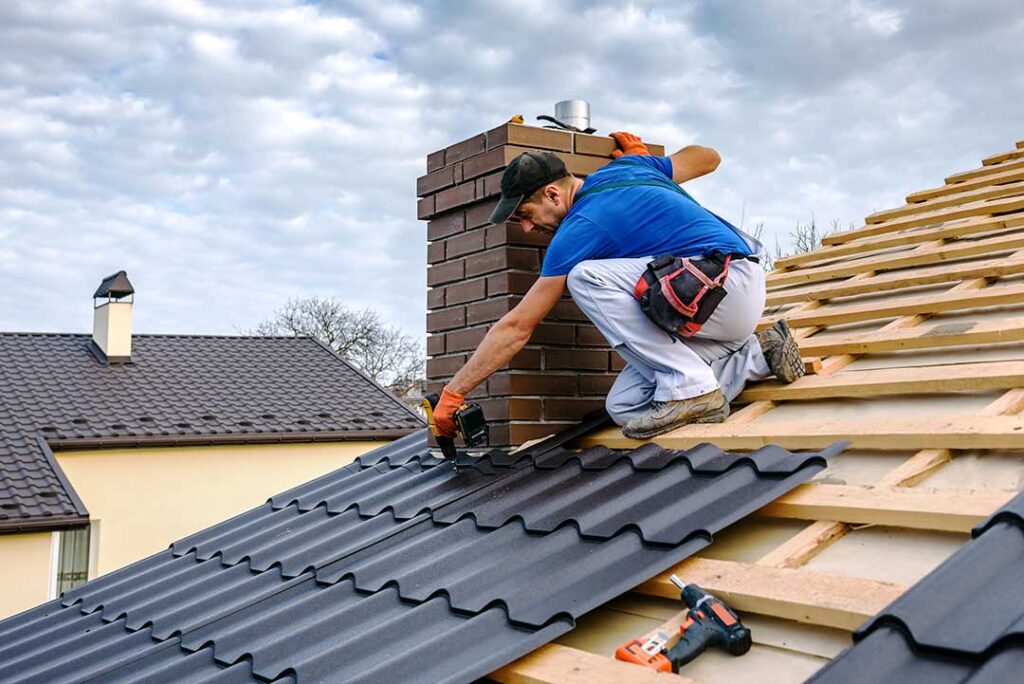
Roof repairs can look straightforward from the ground, but working above a second-story drop, on wet shingles, or around hidden structural damage creates serious risks. For residents of Ithaca, NY, do-it-yourself roof work is safest when the task is low, limited, performed in stable weather, and supported by proper equipment.
The key question is not only whether a repair seems simple. It is whether the work can be completed without exposing anyone to a fall, electrical hazard, unstable roofing, weather-related danger, or damage that could worsen inside the home.
Which roof projects are usually reasonable for a careful homeowner?
Minor inspection and maintenance tasks may be suitable for do-it-yourself work if they can be completed from the ground or from a properly positioned ladder without stepping onto a steep or fragile roof.
Examples may include:
- Looking for missing shingles from the ground
- Cleaning leaves from gutters while standing on a stable ladder
- Removing small amounts of debris from a low-slope roof
- Replacing a damaged gutter section when access is safe
- Checking attic insulation and ventilation from inside the home
- Photographing suspected roof problems for later evaluation
- Sealing a small, clearly identified flashing gap when the area is safely reachable
Even these tasks require caution. A ladder should stand on firm, level ground, extend above the landing area, and be secured against slipping. Someone should remain nearby when ladder work is elevated or awkward.
A homeowner should not assume that a low roof is automatically safe. A fall from a one-story roof can still cause severe injury, especially onto concrete, stone, fencing, basement stairwells, or uneven ground.
When should roof work be left alone?
Roof work should generally not be attempted without appropriate training and fall-protection equipment when the roof is steep, high, fragile, wet, icy, or difficult to access.
Avoid climbing onto the roof if any of these conditions are present:
- Rain, frost, snow, ice, or heavy dew
- Strong or gusty wind
- Loose gravel, moss, algae, or visibly unstable shingles
- A steep roof pitch that makes standing difficult
- Soft areas, sagging decking, or signs of rot
- Skylights, roof openings, or deteriorated porch roofs
- Overhead electrical service lines
- A need to carry bulky materials up a ladder
- Limited footing near an unprotected edge
- Poor visibility or work near dusk
In Ithaca, changing weather can make a roof unsafe even after a dry morning. Freeze-thaw cycles, shaded sections, lake-effect moisture, and winter snow can leave slick surfaces that are difficult to see from below. A roof that appears dry may still have frost in shaded valleys or along north-facing slopes.
Is roof work safe without fall protection?
For elevated roofing work, a standard household ladder is not a substitute for a fall-protection system. Construction safety rules generally require protection when a worker may fall six feet or more to a lower level. Guardrails, safety nets, or a properly designed personal fall-arrest system may be necessary, depending on the work and roof configuration.
Homeowners often make the mistake of wearing a harness without understanding how it must be anchored. A harness attached to an unsuitable chimney, vent pipe, fascia board, or improvised rope can create a false sense of security. A fall-arrest anchor must be designed, installed, and used according to the equipment requirements and the structure’s capacity.
If the correct fall-protection system is not already available and understood, the safest choice is not to climb onto the roof.
Can a homeowner replace a few shingles?
Replacing one or two shingles may appear manageable, but the task still requires walking on the roof, lifting surrounding shingles, removing nails, and sealing the replacement properly. Damage can also extend beneath the visible shingle into the underlayment or roof deck.
A small repair may be reasonable only when:
- The roof is low enough and gently sloped enough for safe access
- Weather is dry and calm
- The shingles are not brittle from age or cold
- The repair area is easy to reach
- There is no sagging, rot, leaking around a chimney, or damaged flashing
- Proper fall protection and footing are available
If shingles are breaking apart across a larger area, granules are collecting heavily in gutters, or leaks appear in several locations, the problem may involve aging materials or concealed water damage rather than one isolated defect.
What roof work should never be treated as a casual DIY project?
Some projects affect the roof’s structural performance, weather resistance, or fire safety and should not be approached as simple maintenance.
These include:
- Replacing an entire roof
- Repairing roof decking, rafters, or trusses
- Modifying a roof for an addition or dormer
- Installing or relocating skylights
- Repairing chimney flashing or masonry at roof level
- Working around electrical service equipment
- Installing snow guards or other equipment near an edge
- Changing roof ventilation without understanding the attic system
- Removing roofing after a major storm when structural damage is suspected
A roof can look intact while the decking beneath it has softened from long-term leakage. Walking across a weakened area may cause a sudden collapse. Structural problems, fire damage, and electrical hazards require more than basic hand tools and online instructions.
Does roof work require a permit in Ithaca?
Roofing work may require a building permit in Ithaca, particularly when the work must comply with New York’s building or energy codes. Permit requirements can depend on the property’s location, the scope of the project, whether structural elements are changed, and whether the work involves more than straightforward maintenance.
Before removing substantial roofing materials, property owners should verify requirements with the appropriate building department. This is especially important for roof replacements, structural repairs, alterations involving insulation or ventilation, and work in regulated areas.
Permit questions can also arise when a property is located near a flood-prone area or when exterior work changes the building’s approved construction details. Skipping a required permit can create complications during inspections, insurance claims, refinancing, or a later sale.
How can someone inspect a roof without climbing onto it?
Many useful observations can be made safely from the ground, attic, or upper windows.
From the ground, look for:
- Missing, curled, cracked, or lifted shingles
- Dark patches that may indicate trapped moisture
- Sagging lines along the roof plane
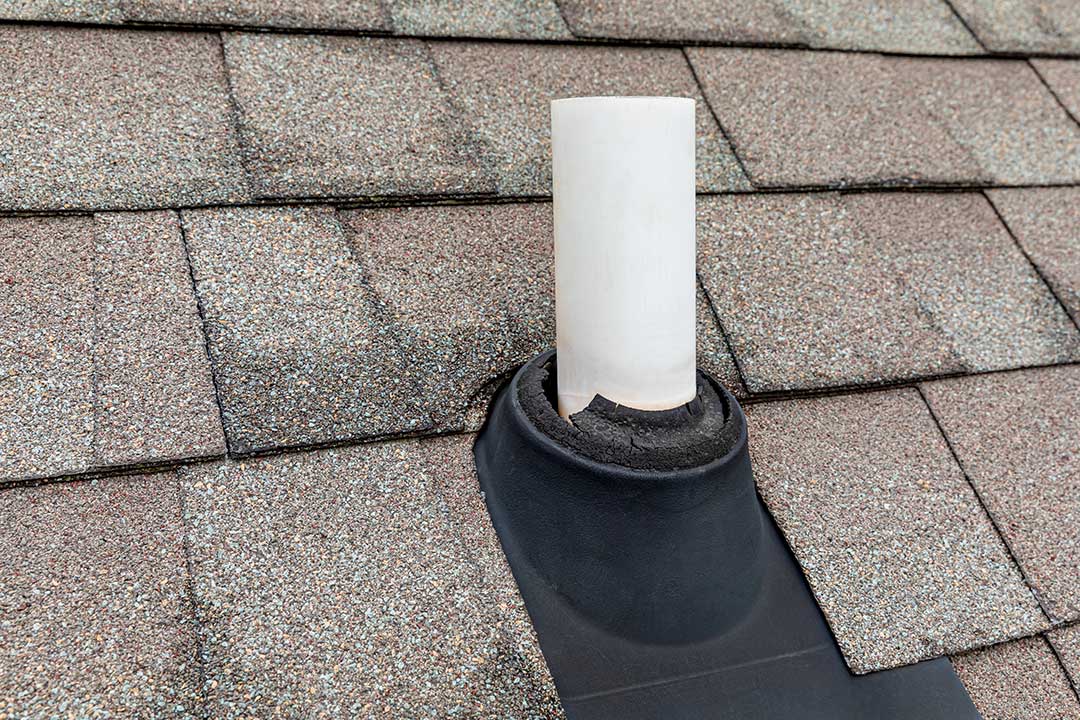
- Damaged flashing around chimneys, vents, and wall intersections
- Excessive granules in gutters or at downspout outlets
- Water stains, damp insulation, or daylight visible in the attic
- Gutters pulling away from the roof edge
Binoculars can improve visibility without requiring a climb. Inside the attic, inspect after rainfall for damp wood, active dripping, musty odors, or stains that extend along rafters. Remember that the indoor stain may not be directly below the exterior leak because water can travel along the roof deck.
What should happen after a storm or heavy snowfall?
After severe wind, hail, or heavy snow, inspect from the ground first. Do not climb onto a roof covered with snow, ice, or loose debris. Watch for fallen wires, leaning trees, damaged chimneys, and sagging roof sections.
Snow should not be removed from a roof with improvised tools, by walking across the surface, or by cutting into roof edges. Uneven removal can create concentrated loads, damage shingles, or cause snow to slide unexpectedly. Interior leaks, ceiling bulges, and structural movement require immediate caution; keep clear of affected areas and limit further loading until the condition is assessed.
The safest DIY roof work is often preparation rather than climbing: documenting damage, clearing accessible downspouts, checking the attic, and identifying whether the issue is cosmetic, maintenance-related, or potentially structural.
