
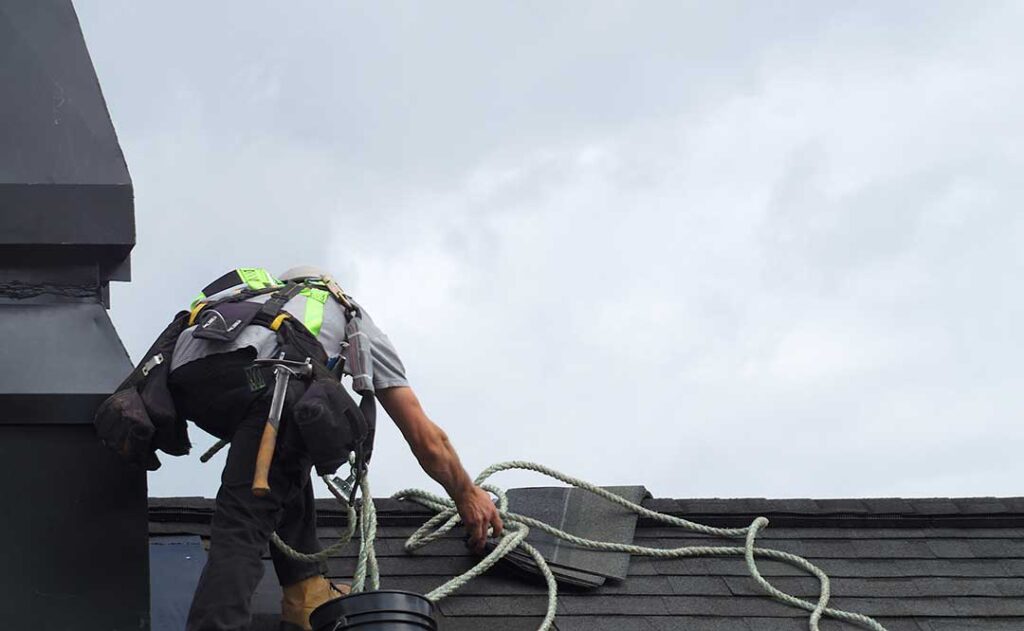
Roof repairs can range from replacing a few damaged shingles to correcting leaks, deteriorated flashing, or poor attic ventilation. Choosing the right roofing company in Ithaca, NY requires more than comparing prices. The most reliable decision usually comes from checking qualifications, understanding the proposed repair, and evaluating how carefully the company communicates.
What should be checked before contacting a roofing company?
Start by documenting the problem and identifying what is known versus what is only suspected. Take clear photographs of visible damage from the ground, note when leaking or staining first appeared, and record whether the issue worsens after rain, melting snow, or high winds.
Roof problems are not always located directly above interior water damage. A ceiling stain may result from failed flashing, an exposed fastener, an ice dam, a damaged roof vent, or water entering higher on the slope and traveling along framing. A company that promises a precise diagnosis without inspecting the roof should be treated cautiously.
Useful information to gather includes:
- The approximate age of the roof
- Whether the roof has leaked before
- Recent storm, wind, or falling-branch damage
- Any attic moisture, musty odors, or daylight visible through the roof
- Previous repairs, warranties, or inspection reports
- Whether the property has a steep, complex, or difficult-to-access roof
In older housing areas, several layers of roofing or past repairs may affect the scope of work. The company should be prepared to explain how those conditions influence the repair.
How can residents verify that a roofing company is legitimate?
A trustworthy roofing company should provide a clear business identity, a physical business address or service area, proof of insurance, and written documentation for the proposed work. Ask whether the company carries general liability insurance and workers’ compensation coverage for its employees. Insurance details should be verifiable rather than offered only as a verbal assurance.
The company should also be willing to identify who will perform the work. Some businesses use employees, while others rely on subcontractors. Neither arrangement is automatically unacceptable, but the homeowner should know who is responsible for supervision, safety, cleanup, and warranty obligations.
For larger repairs, verify whether local permits or building-code requirements may apply. Roofing work can involve more than shingles, especially if roof decking, structural materials, ventilation, or flashing around additions is affected. The responsible company should explain any permit question instead of leaving the property owner to guess.
A long operating history can be useful, but it is not the only measure of quality. A newer company may still be capable, while an older company can still provide poor communication or incomplete documentation. Look for consistent evidence of responsible practices rather than relying on age alone.
What should a written roofing repair proposal include?
A written proposal should describe the observed problem, the repair method, the materials involved, and the conditions that could change the final cost. A vague statement such as “repair roof leak” does not provide enough information to compare options.
The proposal should clarify:
- The location and apparent cause of the damage
- Whether shingles, underlayment, flashing, decking, vents, or gutters are included
- The type and approximate quantity of materials
- How damaged materials will be removed and disposed of
- Measures for protecting siding, landscaping, windows, and outdoor equipment
- Expected work dates and weather-related delays
- Payment terms and any deposit requirements
- The workmanship warranty and manufacturer warranty, if applicable
- Procedures for handling hidden damage discovered after removal
A reasonable proposal distinguishes between confirmed work and possible additional work. For example, deteriorated roof decking may not be visible until shingles and underlayment are removed. The company should explain how such changes will be documented and approved before extra work proceeds.
Be cautious of proposals that demand full payment before work begins, contain no written scope, or use unusually broad language allowing costs to change without explanation.
How many roofing companies should be compared?
For a typical repair, comparing at least two or three written evaluations can reveal differences in diagnosis and scope. The lowest price is not necessarily the least expensive option if it excludes flashing, ventilation corrections, cleanup, or replacement of damaged decking.
Comparisons are most useful when the proposals address the same problem. If one company recommends replacing a small section and another recommends replacing an entire roof, ask why their assessments differ. The disagreement may reflect different findings, different standards, or different assumptions about the roof’s remaining life.
A more expensive proposal may be justified by better access planning, more complete flashing work, higher-quality materials, or a safer repair method. A low proposal may be reasonable for a small, clearly defined repair. Price should be considered alongside scope, documentation, insurance, communication, and expected durability.
What questions should be asked during the inspection?
The inspection is an opportunity to evaluate both the roof and the company’s approach. Ask the inspector to explain the cause of the problem in plain language and to identify evidence supporting the recommendation.
Useful questions include:
- Is the damage active, or does it appear to be from an older leak?
- Is the repair temporary or expected to provide a lasting correction?
- Could ventilation, flashing, or drainage be contributing to the issue?
- Does the repair require access to the attic or interior?
- What roof materials are currently installed?
- Will matching replacement materials be available?
- What conditions would require additional work?
- How will the site be protected and cleaned?
- Who should be contacted if the repair fails or another leak appears?
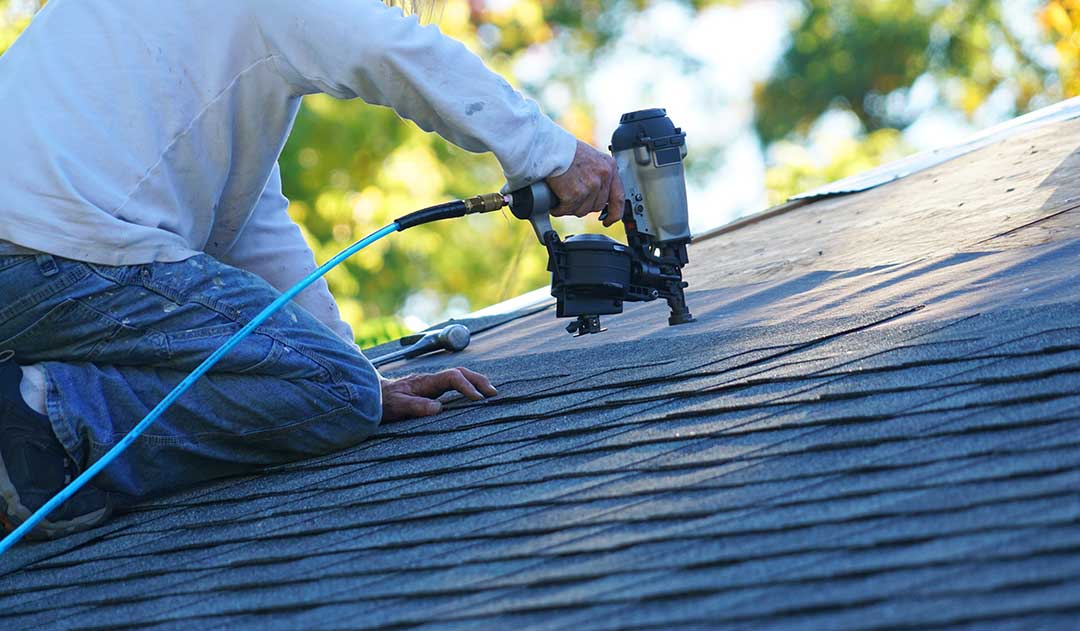
A careful inspector should not pressure a homeowner into making an immediate decision, particularly after a storm. High-pressure tactics, claims that a roof must be replaced without a detailed explanation, or requests to sign blank documents are warning signs.
Why does local weather matter for roofing repairs?
Ithaca experiences cold winters, freeze-thaw cycles, snow, wind, heavy rain, and periods of rapid temperature change. These conditions can expose weaknesses in flashing, sealants, roof edges, valleys, and drainage systems. Snow and ice can also conceal damage or make roof access unsafe.
Timing matters. Some roofing materials require temperatures above a certain range for proper sealing, while wet or icy surfaces create safety risks and can make repairs less reliable. A responsible company should discuss whether weather conditions affect the schedule or installation method.
Older homes and houses with additions may have multiple roof slopes, intersecting sections, enclosed porches, or different generations of materials. These features increase the importance of careful water-shedding details. A repair that addresses only the most visible shingle damage may not solve the underlying leak if nearby flashing or drainage is also failing.
Should emergency roof repairs be handled differently?
Yes. If water is actively entering the home, place containers beneath drips, move furnishings, and avoid electrical fixtures or outlets affected by moisture. Do not climb onto a wet, snowy, or damaged roof.
Emergency protection may involve a temporary covering or limited stabilization until a complete inspection is safe. Temporary work should be described as temporary, with a clear explanation of what remains to be repaired. A storm-related emergency does not eliminate the need for insurance, written documentation, or a detailed scope of work.
If a ceiling is bulging from trapped water, keep people away from the area and avoid puncturing it unless directed by a qualified emergency responder or building professional. Structural movement, fallen branches, and exposed electrical wiring require additional caution.
What are the clearest signs of a dependable roofing company?
A dependable company generally does the following:
- Explains the diagnosis without relying on fear or pressure
- Provides proof of insurance and a written scope
- Separates confirmed repairs from possible hidden conditions
- Describes materials, protection, cleanup, and warranty terms
- Answers questions consistently
- Respects property, landscaping, and household routines
- Follows appropriate safety and permit practices
- Provides a reasonable process for resolving warranty concerns
The goal is not simply to find the cheapest repair. It is to select a company that can identify the actual source of the problem, perform work suitable for the roof’s condition and local weather, and clearly document what was done. That information remains valuable for future maintenance, insurance questions, and decisions about whether additional repairs or eventual replacement are justified.
