
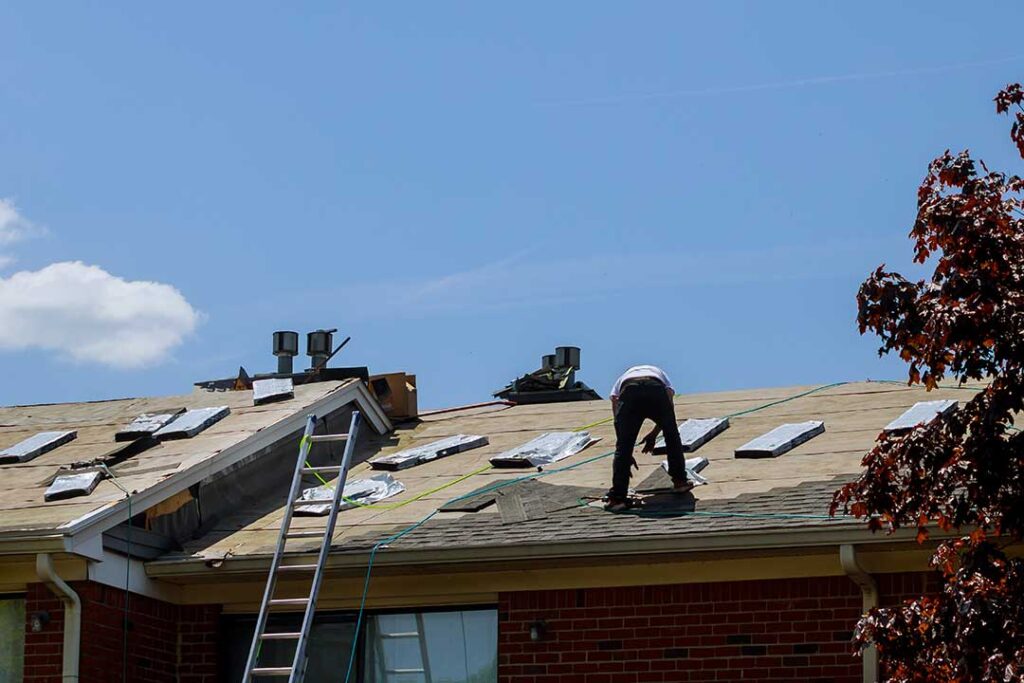
Moss and algae are common roof concerns in Ithaca, NY, particularly on shaded slopes that stay damp after rain, snow, or periods of cloudy weather. Small amounts may look harmless, but growth can hold moisture against roofing materials, interfere with drainage, and make an older roof deteriorate faster.
The safest approach is to identify the growth correctly, remove it gently, correct the conditions that encourage it, and inspect the roof for damage afterward.
What is growing on the roof?
Moss is usually easy to recognize because it forms soft, raised green clumps or mats. It often appears along shingle edges, in roof valleys, and beneath overhanging trees. Moss has structures that can work beneath shingle edges as it expands, allowing moisture to remain trapped against the roof surface.
Algae usually appears as dark green, gray, or black streaks. It may spread across broad sections of roofing without creating a thick, raised layer. Algae is often more noticeable on lightly colored shingles, where streaking can be mistaken for dirt.
Lichen combines fungal growth with algae and may appear as pale, crusty patches attached firmly to the surface. Lichen can be more difficult to remove without damaging roofing materials.
Identifying the growth matters because aggressive scraping may remove protective granules from shingles, while a light surface treatment may not be enough for thick moss or lichen.
Why do moss and algae develop on roofs?
Moisture and limited sunlight are the main factors. Roof sections shaded by mature trees, neighboring structures, or roof features tend to dry more slowly. Leaves, needles, and small branches can make the problem worse by blocking sunlight and holding water against the shingles.
Conditions that commonly support growth include:
- North-facing or heavily shaded roof slopes
- Accumulated leaves and organic debris
- Clogged or poorly draining gutters
- Persistent dampness near roof valleys and wall intersections
- Low-slope sections where water drains slowly
- Aging shingles with worn or uneven surfaces
- Branches that touch or hang directly over the roof
The local pattern of cold winters, wet transition seasons, and regular snowfall can leave roof surfaces damp for extended periods. Snow itself does not create moss, but repeated freeze-thaw cycles can worsen damage where moisture has already entered beneath roofing materials.
Does moss or algae damage shingles?
Algae is usually more of an appearance concern than a structural threat, especially during the early stages. It can still indicate that a roof surface remains damp, and heavy growth may contribute to a persistently wet environment.
Moss presents a greater physical risk. Its growth can lift shingle edges, loosen the bond between shingles, and allow wind-driven rain or melting snow to reach the underlying layers. Moss may also obstruct water movement in valleys and along roof edges.
Neither moss nor algae automatically means that the roof must be replaced. The age and condition of the shingles, the extent of growth, and the presence of leaks are more useful indicators. A roof with widespread growth may still have serviceable materials, while a small moss patch on an older or already brittle roof can point to a larger maintenance concern.
How can moss and algae be removed safely?
Removal should be gentle and performed only when the roof is dry, stable, and safely accessible. Walking on a sloped roof can damage shingles and creates a serious fall hazard, particularly when moss is wet.
For minor growth on a low, easily accessible area, a homeowner may be able to:
1. Remove loose leaves and debris with a soft broom or leaf blower used from a safe position.
2. Apply a roofing-safe moss or algae treatment according to its label directions.
3. Allow the treatment time to work rather than immediately scrubbing the surface.
4. Rinse lightly if the product instructions require rinsing.
5. Inspect the area after the growth has dried and loosened.
Avoid scraping, chiseling, or pulling firmly on moss-covered shingles. These actions can remove granules, tear shingle surfaces, and break the adhesive seals that help resist wind.
Pressure washing is also a poor choice for most asphalt-shingle roofs. The force can strip granules from shingles, drive water under their edges, and shorten the useful life of the roofing material. Strong household chemicals used without regard for roofing materials can create similar problems.
What should be done about runoff?
Moss and algae treatments can affect plants, soil, pets, and surface water if runoff is not controlled. Products should never be applied casually before heavy rain, and downspouts should be considered before using any treatment.
Protective steps may include:
- Reading the complete product label before application
- Keeping treatment away from gardens and planted areas
- Wetting nearby plants with clean water when label directions allow
- Directing or collecting concentrated runoff where appropriate
- Avoiding treatment during windy conditions
- Following local rules for chemical disposal and outdoor runoff
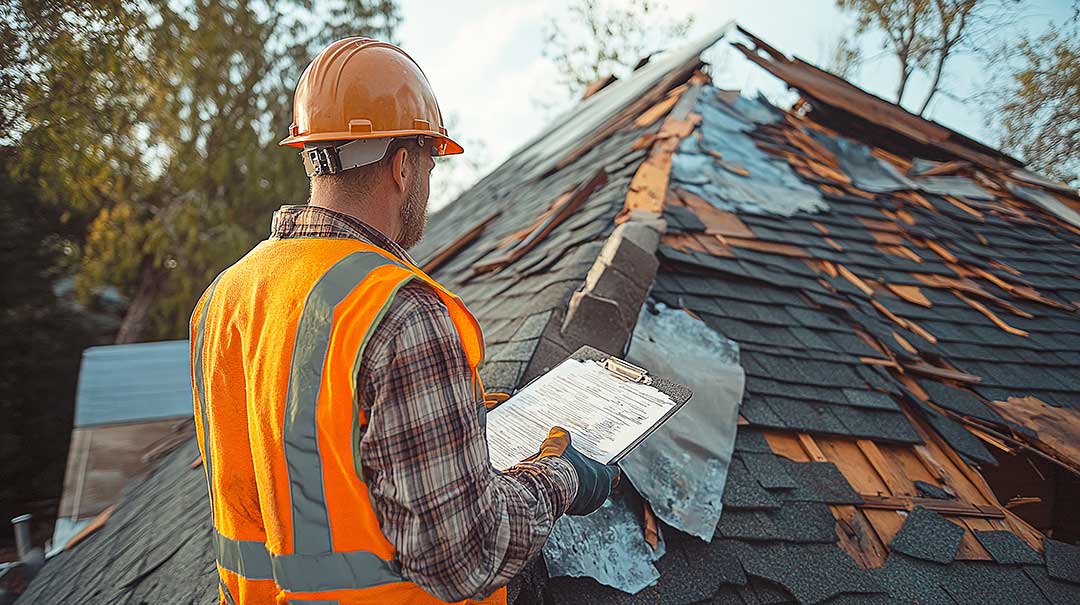
Chlorine-based cleaners may lighten stains quickly, but they can harm vegetation, corrode metal components, and discolor some materials. A product being effective against algae does not automatically make it suitable for every roofing system.
How can future growth be reduced?
Prevention works best when it addresses moisture and shade rather than relying only on repeated chemical treatment.
Keep gutters and downspouts clear so water leaves the roof efficiently. During autumn, inspect areas beneath trees more often because leaves can accumulate quickly and remain wet through changing temperatures.
Tree branches should not rub against shingles or create dense, continuous shade. Trimming should be conservative; removing too much vegetation can create other property problems, and cutting branches near utility lines may be hazardous.
Roof ventilation and attic moisture should also be considered. Poor attic ventilation does not directly create exterior moss, but it can contribute to condensation, uneven roof temperatures, and moisture problems that complicate roof maintenance. Signs of interior moisture, such as damp insulation, staining, or persistent attic condensation, deserve separate attention.
Some roofs use metal strips near the ridge to limit future algae growth as rainwater moves over the metal. These systems are not appropriate for every roof and do not remove existing moss. They also require careful installation so that fasteners and penetrations do not create leaks.
When is roof growth a warning sign?
Moss or algae deserves closer inspection when it appears with:
- Missing, lifted, cracked, or curled shingles
- Granules collecting in gutters or at downspout outlets
- Damp stains on ceilings or upper walls
- Sagging roof sections
- Repeated leaks after rain or snowmelt
- Growth concentrated around valleys, chimneys, or roof-to-wall connections
- Areas where shingles remain wet long after nearby surfaces dry
Roof work should not be attempted during icy conditions, high winds, active snowfall, or wet weather. Steep slopes, fragile roofing, difficult access, and suspected structural damage make do-it-yourself cleaning especially risky. In those situations, safety and damage prevention matter more than removing every visible stain immediately.
A clean roof is not necessarily a healthy roof, and a stained roof is not necessarily failing. The useful questions are whether moisture is being retained, whether roofing materials have been disturbed, and whether water is entering the building. Addressing those conditions early can prevent a cosmetic problem from becoming a repair issue.
