
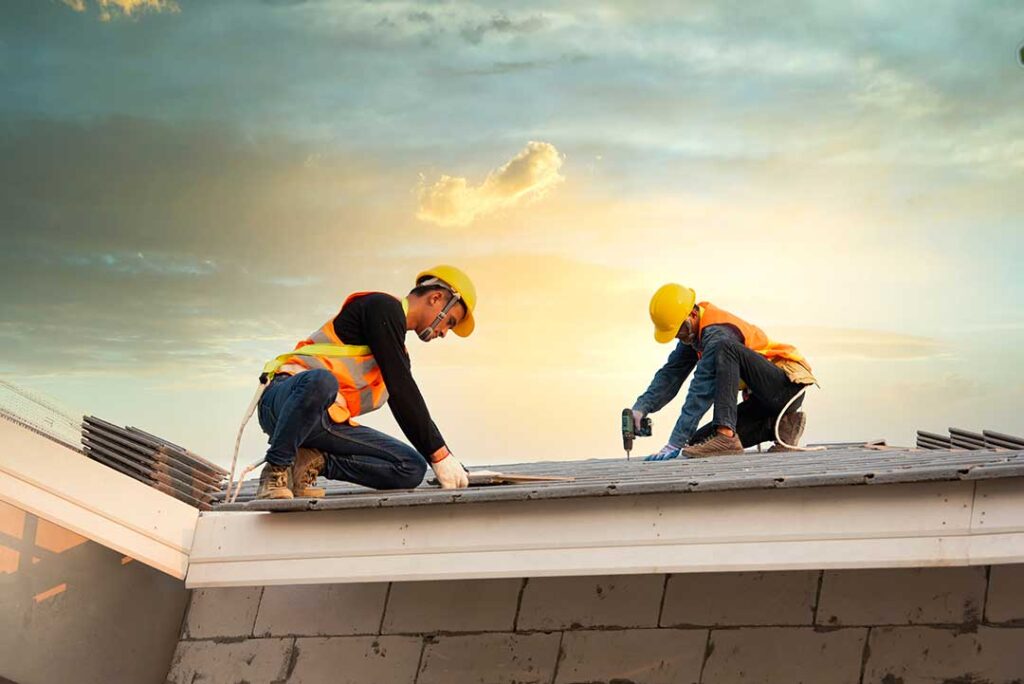
Solar panels can work well on homes in Ithaca, NY, but the roof should be evaluated before any equipment is installed. Roof age, structural capacity, snow, ice, shading, access, and future maintenance all affect whether a rooftop system is practical.
Is the roof ready for solar panels?
A roof should generally be in sound condition, with several years of useful service remaining, before panels are added. Solar arrays can remain in place for decades, while replacing the roofing underneath them may require partial or complete removal of the system.
A pre-installation roof review should consider:
- The age and expected remaining life of the roof covering
- Soft areas, sagging, water stains, or damaged sheathing
- Loose or deteriorated flashing around vents, chimneys, and skylights
- The condition of the roof edges, valleys, and drainage paths
- Previous leaks or repairs
- Whether the roof structure can support the added dead load and wind forces
For asphalt shingle roofs, installing panels shortly before a planned reroof may create avoidable expense. A roof that is already near the end of its service life may be better addressed first. On the other hand, replacing a roof solely because solar panels are being considered is not always necessary if the covering and structure remain in good condition.
How do snow and ice affect a rooftop solar system?
Snow does not automatically rule out solar, but it should be included in the design. Ithaca’s winter conditions can produce repeated cycles of snow, freezing, thawing, and ice formation. These conditions affect both the roof and the equipment attached to it.
Panels are usually installed at an angle, so some snow may slide or melt away as sunlight returns. However, snow can remain on the array during extended cloudy periods, reducing electricity production. Snow sliding from panels can also create a falling hazard near walkways, doors, parked vehicles, or lower roofs.
The supporting structure must be designed for local snow and wind requirements. The relevant question is not simply whether a roof has held snow in the past. The design should account for the roof’s shape, slope, framing, panel arrangement, snow drifting, and the weight of mounting equipment.
Ice dams deserve separate attention. Solar panels do not cause ice dams by themselves, but they may complicate access to roof areas where ice buildup or drainage problems need to be addressed. Existing ventilation or insulation issues should be corrected before installation when possible.
Can an older home support solar panels?
Many older homes can support a solar array, but age alone does not answer the structural question. Homes in the area may have different framing systems, additions, roof lines, and past alterations. A roof that appears flat and stable from the outside may have weakened sheathing, undersized framing, or concealed moisture damage.
A structural review may examine:
- Rafter or truss size and spacing
- The direction and span of framing members
- Connections between the roof and exterior walls
- Existing loads from roofing, insulation, and mechanical equipment
- Concentrated loads created by mounting points
- Signs of deflection, movement, or moisture-related deterioration
Panels distribute some weight across multiple mounting points, but the attachment locations still matter. Mounts must transfer forces safely into suitable structural members rather than relying only on the roof covering or thin sheathing.
Where should panels be placed on the roof?
The sunniest roof area is not always the only consideration. A layout should balance sunlight, roof condition, service access, and fire-safety requirements.
South-facing roof surfaces often receive strong annual sunlight, while east- and west-facing surfaces may also be useful depending on the roof shape and household electricity use. North-facing areas may produce less energy, though the result depends on slope, shading, and system design.
Obstructions can affect the usable area, including:
- Chimneys
- Plumbing vents
- Roof windows
- Dormers
- Ridge vents
- Satellite equipment
- Nearby trees
- Adjacent buildings
Panels should not block required pathways, roof access areas, ventilation openings, or emergency operations. Keeping equipment away from vulnerable roof edges and difficult-to-drain areas can also simplify future maintenance.
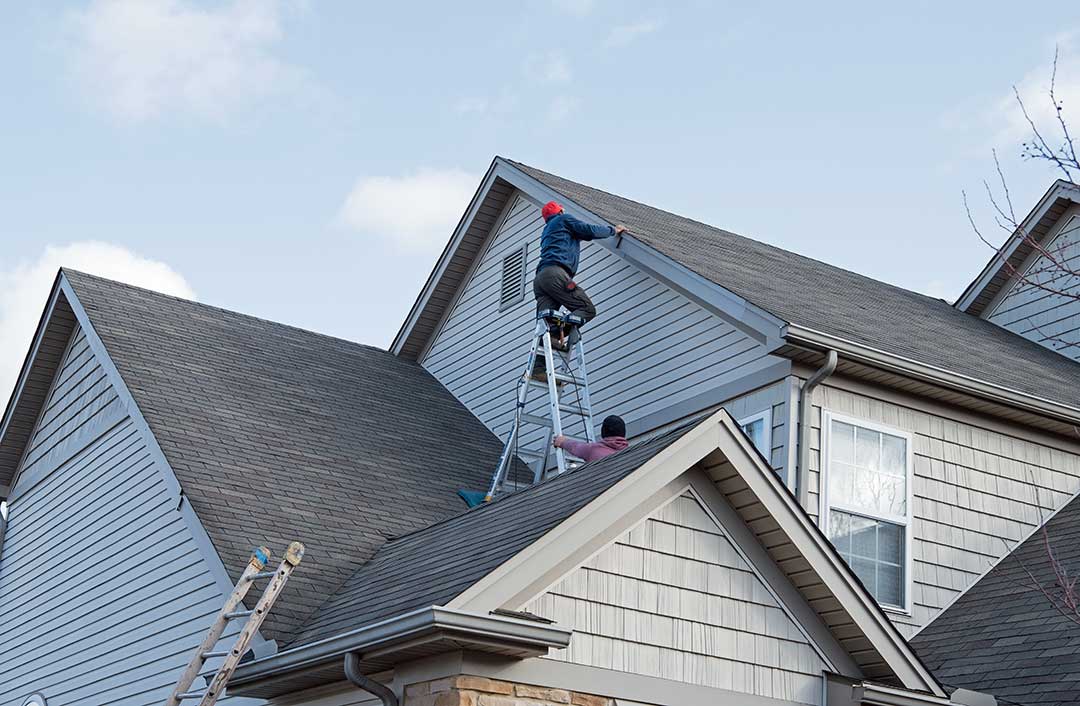
Shade changes throughout the year. A tree that appears harmless in summer may cast longer shadows in winter, when the sun sits lower in the sky. Seasonal shading should be evaluated rather than judged from a single visit.
Will solar panels make roof repairs harder?
They can. Panels and wiring may limit access to shingles, flashing, vents, and other roof components. Even a small leak beneath or near an array may require careful tracing because water can travel beneath roofing materials before becoming visible indoors.
Before installation, homeowners should understand how future roof work will be handled. Questions worth clarifying include:
- Which parts of the system must be removed for a reroof?
- Who is responsible for coordinating removal and reinstallation?
- How will roof penetrations be inspected during other repairs?
- Are replacement roofing materials available if a repair is needed years later?
- How will panel damage, wiring, and roof damage be distinguished?
The roof and solar system should be treated as connected building systems. A panel array may still be producing electricity while the roof beneath it is developing a maintenance problem.
What about roof penetrations and leaks?
Most rooftop systems use mounts that are mechanically attached to the roof structure. Those attachment points must be properly flashed and sealed. Sealant alone is not a substitute for correct flashing because sealants can age, crack, or lose adhesion.
Good installation practice includes keeping penetrations away from vulnerable locations when possible, using compatible materials, and maintaining proper drainage around each attachment. Flashing should be integrated with the roofing system rather than placed as a surface patch.
A roof leak after installation does not necessarily mean the panels themselves are defective. Possible causes include pre-existing damage, failed flashing, blocked drainage, wind damage, or an installation-related penetration. Finding the source may require inspecting both the roof and the array.
What permits and code issues apply in Ithaca?
Rooftop solar projects generally involve building and electrical requirements, and the exact process depends on the property’s jurisdiction. Ithaca uses an online permitting process for building and electrical applications, while nearby properties may fall under different local authorities and procedures.
Plans may need to address structural design, electrical connections, fire access, roof pathways, equipment locations, and the relationship between the array and existing roof features. New York requirements also include rooftop access and ventilation provisions for photovoltaic installations.
Permit approval is not just paperwork. It creates an opportunity to verify that the roof framing, attachment method, electrical work, and emergency access have been considered together. Work should not begin until the required approvals are in place.
Should panels be installed on a roof or elsewhere?
A roof is not always the best location. A ground-mounted system may be worth considering when the roof is shaded, steep, unusually shaped, structurally limited, or near the end of its service life.
Ground-mounted equipment requires suitable land, stable foundations, vegetation management, and attention to snow accumulation and drainage. It may also involve different zoning, setback, or property-use requirements. Rooftop systems generally use existing space but place equipment in a harder-to-access location.
The practical choice depends on the roof’s remaining life, available sunlight, structural condition, maintenance needs, and the property’s layout.
What should homeowners document before installation?
Photographs of the roof, flashing, vents, attic, and interior ceilings can create a useful record of existing conditions. Keep copies of roof repair records, permits, structural information, equipment plans, warranties, and inspection results.
It is also helpful to mark known leak locations, areas of past ice damming, and sections that are difficult to access. Clear documentation can make future roof maintenance easier, especially if ownership, roofing materials, or solar equipment changes over time.
A sound solar project begins with a sound roof plan. Evaluating the roof first can reduce the risk of premature reroofing, hidden structural problems, drainage conflicts, and difficult repairs during Ithaca’s snowy and variable seasons.
