

Leaves, twigs, pine needles, and small branches can collect on a roof after wind, rain, and snow. In Ithaca, NY, seasonal storms and tree-covered neighborhoods make debris removal a regular part of home maintenance, but the safest method depends on the roof’s height, slope, surface, and condition.
Removing light debris from a low, gently sloped roof may be manageable from the ground or a properly secured ladder. Steep roofs, wet surfaces, snow-covered areas, damaged shingles, and large branches create fall and structural hazards that should not be handled casually.
What debris should be removed from a roof?
Loose organic material should generally be cleared before it becomes wet, compacted, or trapped under snow. Common roof debris includes:
- Leaves and pine needles
- Small sticks and twigs
- Seed pods, blossoms, and other plant material
- Shingle granules collected in valleys or gutters
- Moss or small areas of surface growth
- Windblown trash or lightweight objects
- Small branches left after a storm
A few leaves scattered across sound shingles are usually not an immediate emergency. The greater concern is accumulation in roof valleys, around vents, behind chimneys, and along gutters, where debris can hold moisture and interfere with drainage.
Large limbs, damaged roofing materials, exposed underlayment, or debris near electrical equipment require extra caution. These conditions can indicate storm damage or create hazards beyond routine cleaning.
Is it safe to remove roof debris yourself?
Self-removal is safest when the debris is light, the roof is low and accessible, and the weather is dry and calm. Many roof falls occur because a surface that appears dry is actually slick with moisture, algae, frost, or fine organic material.
Do not walk on the roof if:
- The roof is steep, wet, icy, frosted, or covered with snow
- Shingles are loose, cracked, curled, or visibly deteriorated
- The roof surface flexes, sags, or feels unstable
- Debris includes large limbs or tangled wires
- Wind is strong enough to affect balance
- Access requires standing near an unprotected edge
- The person doing the work is uncomfortable with heights
A ladder is not a substitute for fall protection. It should be placed on stable, level ground, secured against movement, and used according to its safety instructions. Keep the area below clear of children, pets, vehicles, and fragile objects.
What tools work best for clearing light debris?
For most loose material, use tools that lift or brush debris away without scraping the roofing surface. A roof rake with a long handle can help remove leaves from a low-slope roof while the person remains on the ground. A soft-bristled broom may be useful on a porch roof or another low section that can be reached safely.
Useful equipment may include:
- A roof rake designed for gentle debris removal
- A soft-bristled broom
- Work gloves and eye protection
- Non-slip footwear
- A bucket or tarp for collecting debris
- A hose for limited rinsing, where appropriate
- A sturdy ladder with a second person present for assistance
Avoid metal rakes, shovels, sharp tools, and aggressive scraping. These can remove protective granules from asphalt shingles, tear membrane roofing, loosen flashing, or puncture a roof surface.
A leaf blower can move dry leaves, but it may also scatter debris into gutters, neighboring areas, or attic vents. It should not be used at high power on fragile shingles, and it is not appropriate for wet, packed material.
How should leaves and small branches be removed?
Start from the ground by inspecting the roof with binoculars. Look for debris concentrations in valleys, around roof penetrations, and near gutters. If the material is loose, use a roof rake or soft tool from a safe position, working gradually rather than pulling forcefully.
Move debris downward toward the eaves instead of dragging it across the roof. Pulling branches uphill can catch on shingles and cause lifting. Never yank a limb that appears lodged under flashing, a vent, or a row of shingles.
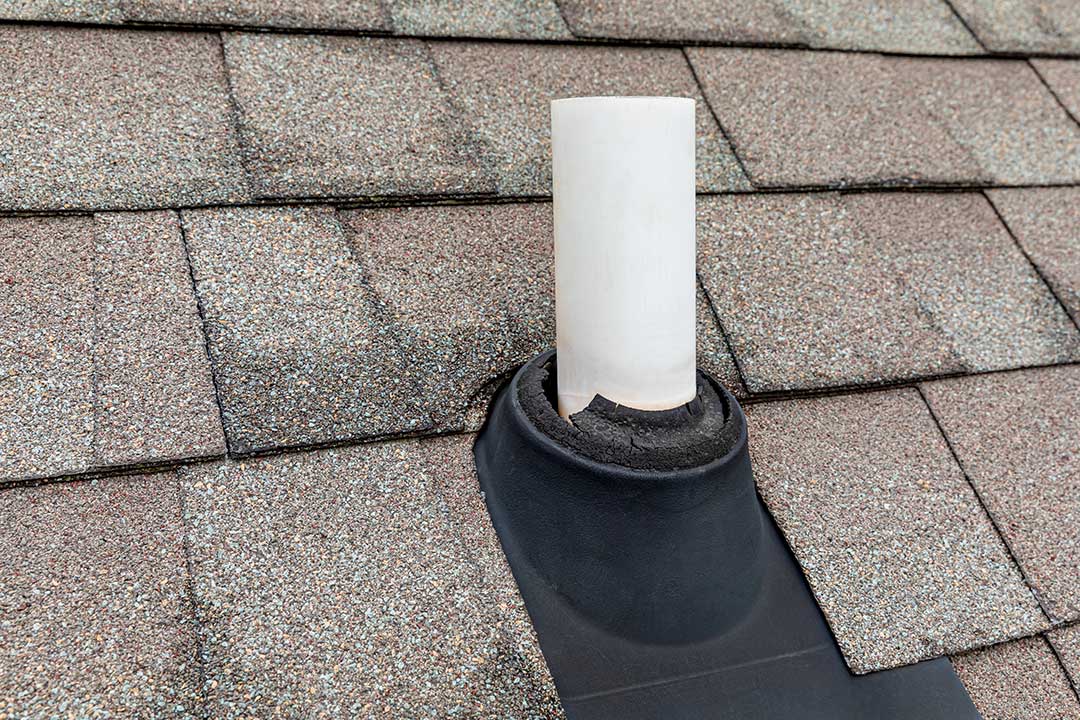
If a branch is too large to move easily, leave it in place until the area can be made safe. Cutting a branch while standing on a ladder or roof can shift its weight suddenly. Also watch for branches that may be resting on concealed wires or exerting pressure on the roof structure.
After clearing the roof, inspect the ground and gutters. Debris pushed off the roof can block downspouts, cover walkways, or create slippery piles near entrances.
How can roof valleys and gutters be cleared safely?
Roof valleys collect water from two sloping sections, so leaves and needles there can form dense, wet mats. These should be removed carefully because valley flashing may be hidden beneath the material.
Gutters should be cleaned from a stable ladder position rather than by leaning sideways or reaching beyond a safe distance. Scoop out heavy material by hand while wearing gloves, then place it in a bucket attached to the ladder or lower it carefully to the ground.
Check that downspouts are open. A simple hose test from the top of the gutter can show whether water exits normally, but avoid forcing water into a blocked system under high pressure. If water backs up or appears inside the building, the blockage may require more than routine cleaning.
In areas with mature trees, inspection may be needed several times during autumn, especially after windy weather. Cleaning only once at the beginning of the season may not prevent later buildup.
Should moss, algae, or ice be removed?
Moss should not be pulled aggressively from shingles. Its attachment can lift or damage the roofing surface. Moss also tends to indicate persistent shade and moisture, conditions that may shorten the life of roofing materials if they continue.
Algae staining is usually cosmetic, although heavy growth can retain moisture. Pressure washing is not a suitable solution for most shingle roofs because the force can strip granules and drive water beneath roofing layers.
Ice and snow require particular care. Chopping ice with a hammer, shovel, or sharp tool can damage shingles and flashing. Ice near the eaves may also be associated with ice dams, which can redirect melting water beneath the roofing. Do not climb onto a snow-covered roof to clear it unless the work can be performed with appropriate fall protection and equipment.
What should be checked after debris removal?
Once the roof and gutters are clear, inspect from the ground for visible problems. Look for:
- Missing, cracked, or lifted shingles
- Bent or detached flashing
- Damaged vents
- Sagging roof sections
- Water stains beneath the roof or in the attic
- Gutter sections pulling away from the fascia
- Downspouts that discharge too close to the foundation
In the local freeze-and-thaw cycle, small openings can allow water to enter and then expand as it freezes. A minor-looking defect may become more noticeable after repeated temperature changes.
If debris removal reveals structural damage, exposed roof layers, a fallen limb, electrical contact, or interior water entry, stop work and keep people away from the area. Those conditions involve hazards that routine sweeping cannot resolve safely.
How often should debris be removed?
There is no single schedule for every home. A practical approach is to inspect the roof and gutters after major wind events, during autumn leaf drop, and before winter weather becomes persistent.
Homes beneath mature trees may need more frequent attention than homes in open areas. After a heavy storm, checking from the ground can identify branches, blocked drainage paths, or new damage before rain and snow add weight.
Routine debris removal should be gentle and limited to material that can be reached safely. The goal is not to make the roof look perfectly clean; it is to keep drainage paths open, prevent moisture from remaining trapped, and identify damage before it worsens.
