
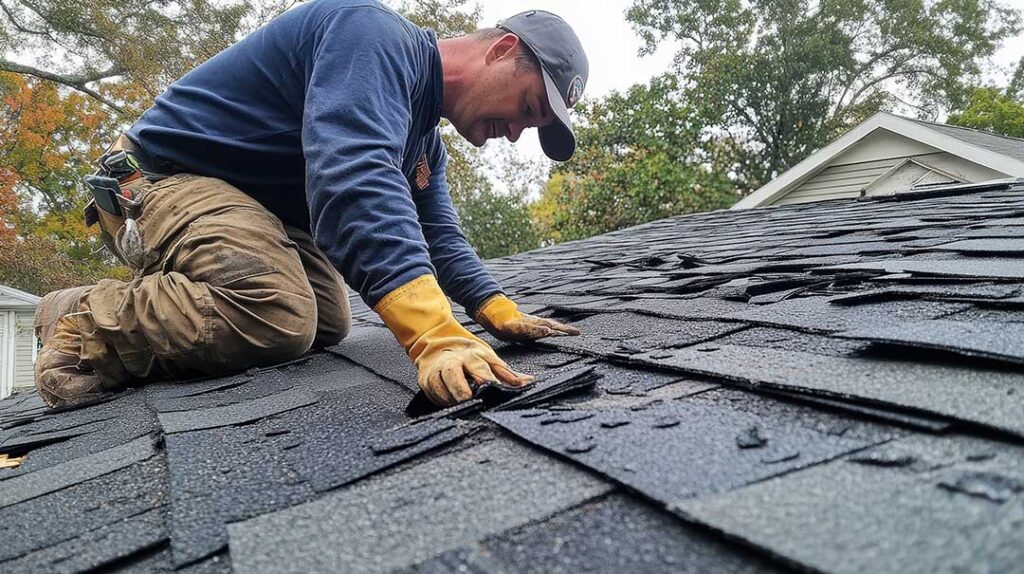
Green roofing can reduce stormwater runoff, protect a roof membrane from weather exposure, and add insulation. It can also be expensive, structurally demanding, and more maintenance-intensive than a conventional roof.
For households in Ithaca, NY, the decision depends less on the idea of a “green” roof and more on the building itself. Roof shape, structural capacity, winter conditions, access, maintenance expectations, and long-term plans all matter.
What is a green roof?
A green roof is a roof system designed to support living plants. It typically includes several layers:
- A waterproof roofing membrane
- A root-resistant barrier
- Drainage and water-storage layers
- Growing medium, often called substrate
- Plants suited to the roof’s exposure and climate
Most residential green roofs are either extensive or intensive. Extensive systems are shallow, lighter, and commonly planted with low-growing vegetation such as sedums and hardy grasses. Intensive systems use deeper soil, support a wider range of plants, and may resemble a rooftop garden, but they require more weight, irrigation, and maintenance.
A green roof is not simply soil and plants placed over ordinary shingles. The waterproofing, drainage, edge details, flashing, and structural design must all work together.
Are green roofs practical in Ithaca?
They can be practical, but they are not suitable for every home. Ithaca receives substantial annual precipitation and regular winter snowfall, which makes water management and structural loading especially important.
Flat and low-slope roofs are generally easier to adapt than steeply pitched roofs. A low-slope roof can hold the growing system more evenly and may provide safer access for inspection. A steep roof may require specialized restraint systems to prevent the growing medium from shifting.
Winter does not automatically rule out a green roof. Properly selected plants can survive freezing temperatures, snow cover, and seasonal dormancy. However, the roof must be designed to handle saturated growing medium, accumulated snow, ice, and drainage during freeze-thaw cycles.
Older homes deserve particular caution. A roof that supports ordinary roofing materials may not support a green roof when the system is saturated with water. Structural capacity must be evaluated before design decisions are made.
What benefits can a green roof provide?
The most dependable benefits relate to stormwater and roof protection.
A planted roof absorbs and temporarily stores some rainfall. Water is later released through evaporation, plant use, and controlled drainage. This can reduce the volume and speed of runoff reaching gutters, downspouts, driveways, and storm drains.
That benefit is usually greatest during smaller or moderate rain events. A saturated green roof cannot absorb unlimited water during a prolonged storm, so it should not be treated as a complete replacement for drainage infrastructure.
The roof membrane may also last longer because it is shielded from ultraviolet light, temperature swings, and some physical damage. A protected membrane can experience less thermal stress than one exposed directly to sun, rain, snow, and ice.
Other potential benefits include:
- Reduced summer heat transfer into upper floors
- Lower rooftop surface temperatures
- Added habitat for insects and birds
- Improved views from nearby buildings
- Some reduction in exterior noise
- Less contribution to localized heat buildup in dense areas
Energy savings are possible, but they vary widely. A green roof may reduce cooling demand more noticeably than heating demand, and the effect depends on insulation, roof design, building use, ventilation, and the amount of plant coverage.
What are the main disadvantages?
The largest drawbacks are cost, weight, maintenance, and repair complexity.
A green roof generally costs more to install than a standard roof because it includes additional layers, specialized drainage, planting, edge protection, and sometimes structural reinforcement. If an existing roof is near the end of its service life, the green roof system usually makes the most sense as part of a complete roof replacement rather than as an addition to an aging assembly.
Weight is another major concern. Saturated growing medium can weigh several times more than it does when dry. Snow and ice add further loading during winter. Structural review is therefore essential, especially for older houses, additions, garages, porches, and buildings with unknown framing history.
Maintenance is often underestimated. Even low-maintenance green roofs need periodic inspection. Typical tasks may include:
- Removing unwanted woody plants
- Checking drains, edges, and roof penetrations
- Replacing dead or damaged vegetation
- Managing erosion or displaced growing medium
- Inspecting flashings and waterproofing details
- Keeping access paths clear
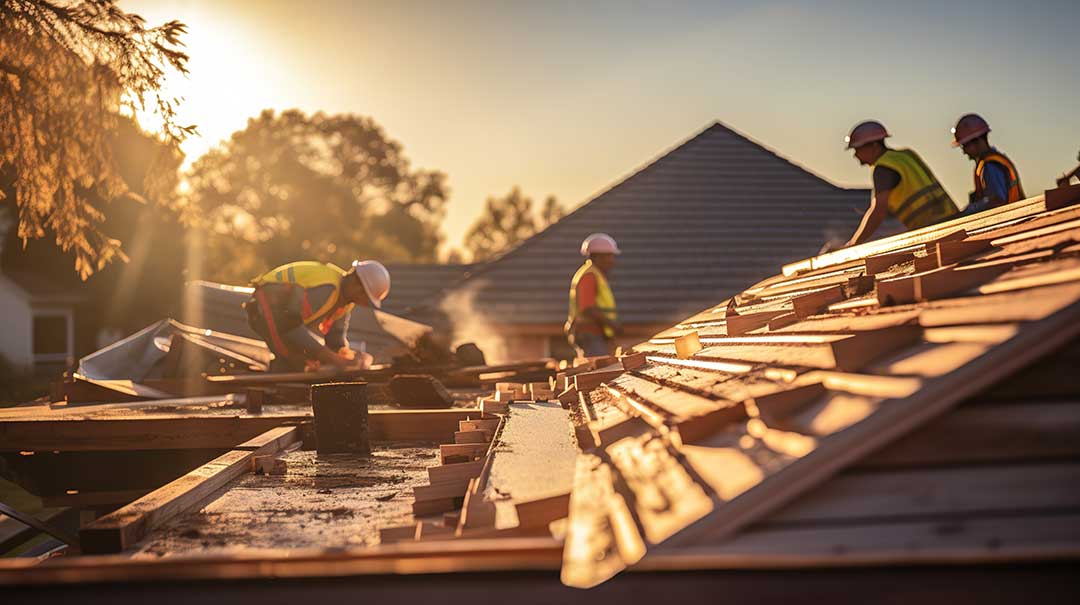
A leak can also be more difficult to locate when vegetation and growing medium cover the membrane. The planting system must be designed with inspection and repair access in mind.
Which plants work best?
Green roof plants must tolerate shallow soil, wind, intense sun, drought between storms, and winter exposure. Low-growing, drought-tolerant perennials are usually more dependable than plants that require deep soil or frequent watering.
For an extensive system, plant selection often favors hardy succulents, low-growing native or regionally adapted plants, and species that can tolerate periods of dormancy. A roof garden with shrubs, vegetables, or small trees is a different type of project. It requires deeper growing medium, stronger structural support, more water, and more frequent care.
Plant choice should also account for roof shade. A roof surrounded by mature trees may receive less sun but more leaf debris, which can affect drains and maintenance needs.
Is a green roof better than solar panels?
Not necessarily. Solar panels and green roofs serve different purposes, and some roofs can support both. A planted roof may help moderate temperatures around solar equipment, while solar panels can provide electricity without adding the growing medium and maintenance demands of a green roof.
The practical choice depends on the building’s goals. Stormwater control, habitat, and roof protection may favor vegetation. Electricity production and available sunlight may favor solar panels. Combining them requires careful planning so that panels do not block access, create excessive shade, or interfere with drainage.
What should residents check before considering one?
Before evaluating cost or plant choices, review the existing roof and building conditions.
Important questions include:
- Is the roof flat or low-slope enough for the proposed system?
- Can the structure support saturated soil, snow, and maintenance traffic?
- Is the waterproofing suitable for long-term covered use?
- How will water drain during heavy rain and freeze-thaw weather?
- Can roof edges, vents, skylights, and other penetrations be inspected?
- Is there safe access for routine maintenance?
- Will nearby trees increase leaf accumulation?
- Are permits, code requirements, or stormwater rules applicable?
Local building requirements and project-specific engineering should be confirmed before construction. Safety and compliance are particularly important because a green roof changes both the roof load and the way water moves across the property.
Is a green roof worth it for a typical home?
For many typical houses, a full green roof is not the simplest or most economical sustainability improvement. The structure may require reinforcement, the roof may be too steep, and the long-term maintenance may not fit the household’s budget or routine.
A green roof may be worth considering when a building already has a suitable low-slope roof, the roof is being replaced, stormwater management is a significant concern, and the owners expect to remain in the property long enough to use the benefits.
Other options may provide similar environmental advantages with less complexity. These can include stronger roof insulation, rain gardens, rain barrels where appropriate, permeable surfaces, native landscaping, or a reflective roof surface.
The best decision is usually based on the entire property rather than the roof alone. A green roof can be a durable and useful part of a building system, but it works well only when structural capacity, drainage, winter weather, plant selection, and maintenance are addressed from the beginning.
