
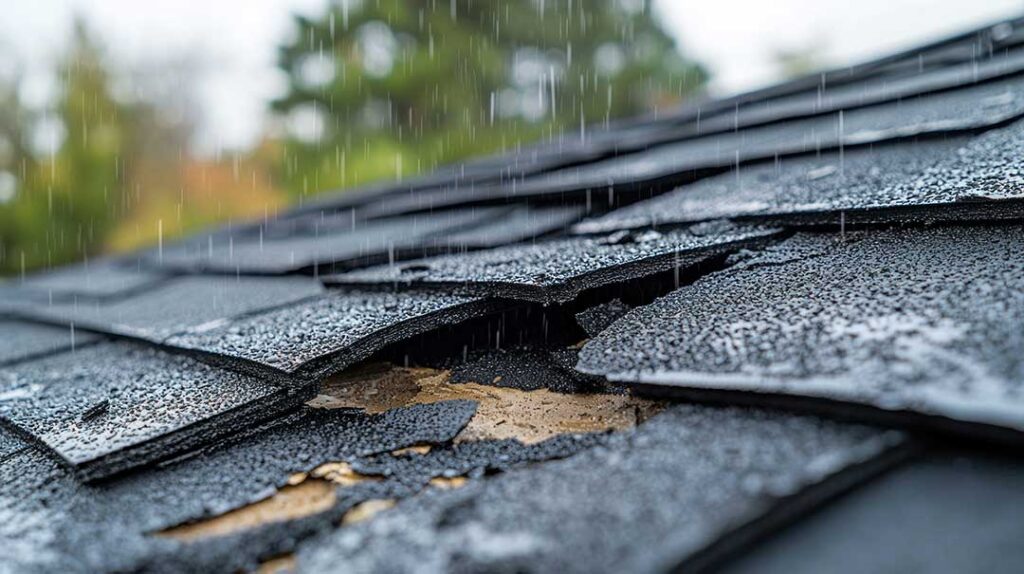
What are soffits and fascia?
Soffits and fascia are exterior components located along the lower edges of a roof. The soffit is the visible underside of the roof overhang, while the fascia is the vertical board that runs along the roofline and often supports the edge of the roofing system and gutters.
Although these parts are easy to overlook, they help manage airflow, shed water, protect framing, and keep insects and small animals out of the roof structure.
On many homes, the soffit extends from the exterior wall to the fascia board. Together, these surfaces form a transition between the roof and the walls of the house.
What does a soffit do?
A soffit mainly helps ventilate the attic and protect the underside of the roof overhang. Many soffits contain small vents that allow outdoor air to enter the attic near the eaves.
That air movement works with higher exhaust vents near the roof ridge or upper roof area. As warm, moist air leaves through the upper vents, replacement air enters through the soffits. This balanced airflow can help control attic temperature and moisture.
A soffit also protects several vulnerable areas:
- Roof rafters and the underside of the roof deck
- Attic insulation near the eaves
- Electrical wiring or other building components located beneath the overhang
- Openings where insects, birds, squirrels, and bats might enter
A solid, unvented soffit is not automatically defective. Some roof designs use other ventilation methods. The key issue is whether the attic has an appropriate, continuous ventilation strategy rather than whether every soffit contains visible openings.
Why is attic ventilation useful in Ithaca?
Seasonal temperature changes and winter moisture make attic ventilation especially relevant for local homes. During cold weather, warm indoor air can move into the attic through small gaps around light fixtures, attic hatches, plumbing penetrations, and ductwork.
If that moisture remains trapped, it can condense on cold roof surfaces. Over time, condensation may contribute to damp insulation, wood decay, mold growth, or frost buildup.
During warmer weather, poor ventilation can allow the attic to become excessively hot. Heat can affect roofing materials and may increase the temperature difference between the living space and attic.
Proper ventilation does not replace air sealing and insulation. A well-performing attic generally needs both:
- Air sealing to limit warm, moist indoor air from entering
- Insulation to slow heat transfer
- Ventilation to provide controlled air movement where the roof design calls for it
Blocking soffit vents with insulation is a common problem. Insulation should not be pushed tightly into the eaves if doing so prevents intended airflow. Ventilation baffles can help preserve an open channel above the insulation.
What does fascia do?
Fascia is the board or finished surface attached to the ends of the roof rafters or trusses. It gives the roof edge a clean appearance, but its structural and water-management roles are more significant.
Fascia commonly provides an attachment point for gutters. Because gutters are fastened near the roof edge, deteriorated fascia can make the gutter system unstable or cause it to pull away from the house.
The fascia also helps shield roof framing from direct exposure to rain, snow, wind, and sunlight. If the roof edge is not properly detailed, water can reach the wood behind the fascia and create hidden damage.
Some homes use wood fascia, while others use composite, engineered wood, metal, or wrapped materials. The visible covering may look intact even when the wood beneath it has begun to deteriorate, so the condition of the entire assembly matters.
How do soffits and fascia become damaged?
Water is the most common source of trouble. Damage may occur when gutters overflow, flashing leaks, shingles fail near the eaves, or ice and snow repeatedly force water into roof-edge details.
Common causes include:
- Clogged or undersized gutters
- Loose, sagging, or improperly pitched gutters
- Roof leaks near valleys, eaves, or wall intersections
- Ice buildup along the lower roof edge
- Poorly sealed joints and exposed fasteners
- Insects or small animals entering through openings
- Improper attic insulation blocking soffit ventilation
- Paint failure that leaves wood exposed to moisture
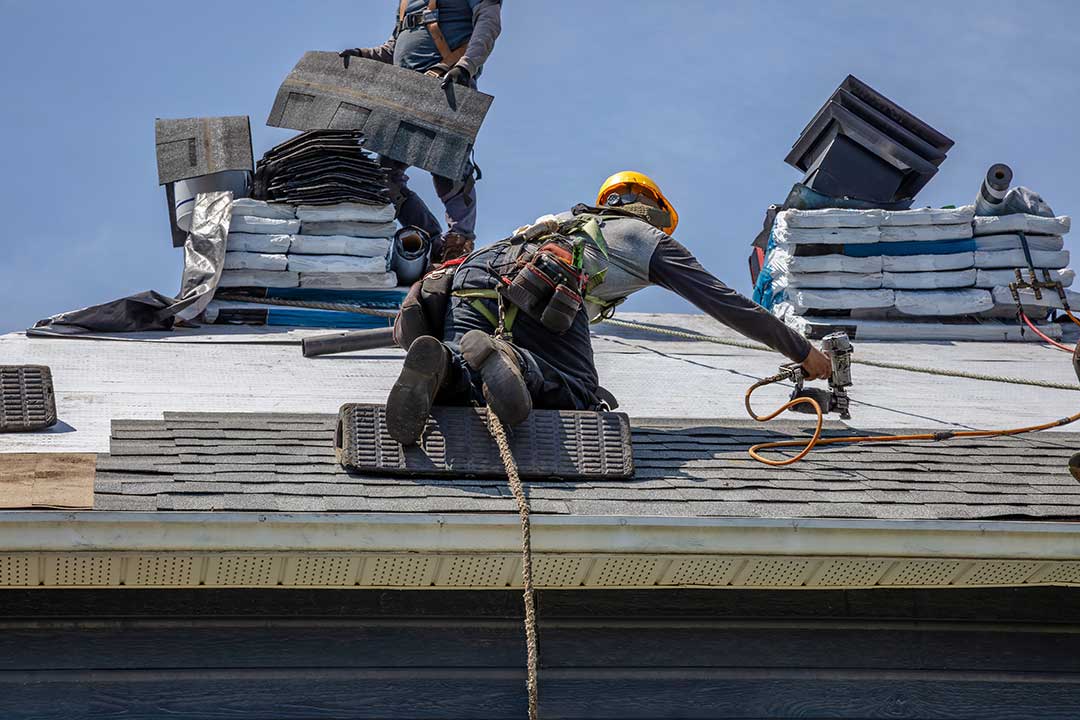
The freeze-thaw cycle can make minor defects worse. Water enters a small crack, freezes, expands, and enlarges the opening. Repeated cycles may loosen fasteners or split trim materials.
What signs should homeowners look for?
Exterior signs often provide the first indication of a problem. A careful visual check from the ground can reveal changes without requiring anyone to climb onto the roof.
Look for:
- Peeling, bubbling, or blistered paint
- Dark stains on soffits or fascia
- Soft, sagging, cracked, or swollen trim
- Gutters pulling away from the roof edge
- Gaps at corners or joints
- Visible daylight where trim should meet
- Rusted or loose fasteners
- Birds, insects, or small animals entering the roof overhang
- Water dripping behind gutters or along the fascia
Inside the attic, warning signs may include damp insulation, water staining, musty odors, frost on roof nails, or visible mold-like growth. These symptoms do not always identify the exact source of the moisture, because water can travel along roof framing before appearing indoors.
Can damaged fascia or soffits be repaired?
Sometimes, yes. The appropriate repair depends on whether the damage is limited to surface materials or has reached the framing behind them.
Minor problems may involve repainting, resealing a joint, replacing a small section of trim, or correcting a loose gutter connection. More extensive deterioration may require removal of the fascia or soffit to inspect the rafter tails, sheathing, and nearby framing.
A repair that covers damaged wood without addressing the water source is unlikely to last. For example, replacing fascia while leaving an overflowing gutter or failed roof flashing in place may allow the new material to deteriorate as well.
If wood feels soft, sections are sagging, wiring is exposed, or a person would need to work near a steep or icy roof edge, the condition becomes a safety issue. Roof-edge work involves fall hazards and may also reveal structural damage that is not visible from the ground.
Do soffits and fascia need regular maintenance?
They benefit from periodic inspection, especially after winter and during the rainy seasons. Maintenance is usually simple but should be consistent.
Keep gutters and downspouts clear so water can move away from the roof edge. Check that downspouts discharge far enough from the foundation to avoid repeated splashback against the lower walls and trim.
Avoid painting over blocked soffit vents. If ventilation openings are covered by dirt, insects, or multiple layers of paint, airflow may be reduced.
After major wind, heavy snow, or ice buildup, inspect for loose trim, displaced gutters, and new staining. A small roof-edge defect is easier to address before it affects insulation, framing, or interior finishes.
Soffits and fascia are not merely decorative trim. They form part of the roof’s ventilation, drainage, and weather-protection system. Understanding their purpose helps homeowners recognize early warning signs and avoid repairs that address visible damage while leaving the underlying moisture or airflow problem unresolved.
