
How do pests get into a roof?
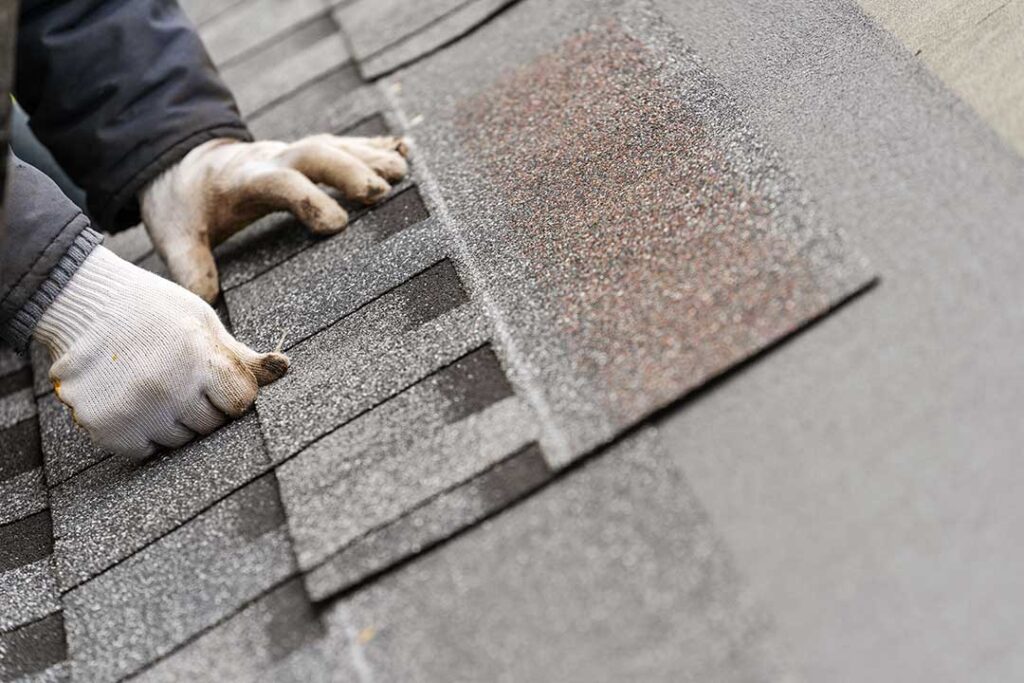
Pests usually enter through small openings rather than large, obvious holes. Loose shingles, damaged flashing, uncapped vents, gaps at roof edges, and openings around pipes or wiring can provide enough space for animals and insects to get inside.
In Ithaca, NY, freeze-thaw cycles, heavy snow, wind-driven rain, falling branches, and damp conditions can gradually weaken roofing materials. A gap that begins as a minor maintenance issue may become an entry point after repeated seasonal stress.
Common roof access points include:
- Openings beneath loose or lifted shingles
- Gaps along the fascia, soffits, and roof edges
- Damaged ridge vents or other ventilation openings
- Unscreened attic vents
- Cracks around plumbing vent pipes
- Gaps where electrical or communication cables pass through exterior walls
- Deteriorated chimney flashing or masonry joints
- Holes created by rot, insects, or storm damage
- Openings beneath poorly fitted repairs
Pests do not need a large opening to enter. Mice can pass through gaps roughly the width of a pencil, while bats and insects may use even smaller spaces around vents, trim, and roofing penetrations.
Which animals commonly enter roofs and attics?
The most common roof-related intruders include mice, squirrels, bats, birds, raccoons, and insects. The species involved often depends on the size of the opening and whether the attic offers warmth, shelter, or nesting material.
Mice may move into attics through small gaps at roof edges or around utility penetrations. Squirrels can enlarge openings by chewing wood, soffits, or other materials. Bats often use narrow spaces beneath flashing, trim, or roofing materials, particularly where an attic connects to the exterior through an unsealed gap.
Birds may enter through damaged vents or missing screens and build nests near warm, protected areas. Larger animals such as raccoons may force their way through weak soffits, roof-edge materials, or deteriorated sections of the roof.
Insects can enter through cracks that are easy to overlook. Carpenter ants and other wood-damaging insects may take advantage of damp or decaying roof components. Wasps and other stinging insects may build nests beneath eaves, inside wall cavities, or near attic vents.
Why are roof edges especially vulnerable?
Roof edges contain several connected components, so damage in one area can create access to another. Shingles, drip edges, fascia, soffits, gutters, and attic ventilation openings all meet near the perimeter of the roof.
Water can enter behind damaged edge materials and contribute to wood deterioration. Once the underlying wood becomes soft, squirrels, mice, and other animals may be able to chew or push through it. Wind can also lift shingles or loosen soffit panels, leaving narrow openings that are difficult to see from the ground.
Homes with older wood trim may be more vulnerable if paint has peeled, joints have opened, or repeated wetting has caused rot. Gutters that overflow against the fascia can add moisture to this area, especially during heavy rain or rapid snowmelt.
Can pests enter through roof vents?
Yes. Roof vents can become entry points when their covers are damaged, missing, poorly fitted, or blocked by nesting material. Attic ventilation openings are designed to allow air movement, but they must include durable screening or protective construction to keep animals out.
Problems may occur when:
- A vent cover cracks or becomes loose
- A screen is torn or missing
- An animal damages the vent while trying to enter
- Snow, ice, or wind causes a vent component to shift
- A repair leaves an opening around the vent base
- Birds or insects build nests inside the vent
A vent that is blocked should not simply be sealed without considering attic ventilation. Restricting intended airflow can contribute to condensation and moisture problems. The opening must be protected while preserving the roof’s ventilation design.
What signs suggest that pests have entered through the roof?
Noises are often the first warning. Scratching, gnawing, fluttering, or movement above a ceiling may indicate an animal in the attic or roof assembly. Activity is commonly more noticeable at dawn, dusk, or nighttime, depending on the species.
Other signs include:
- Droppings or urine stains in the attic
- Nesting material such as shredded insulation, leaves, or paper
- Chewed wood, wiring, vent covers, or insulation
- Greasy marks near frequently used openings
- Feathers, fur, or insect parts
- Unusual odors
- Daylight visible through attic surfaces
- Water stains near damaged roof areas
- Stains or debris beneath a vent or roof edge
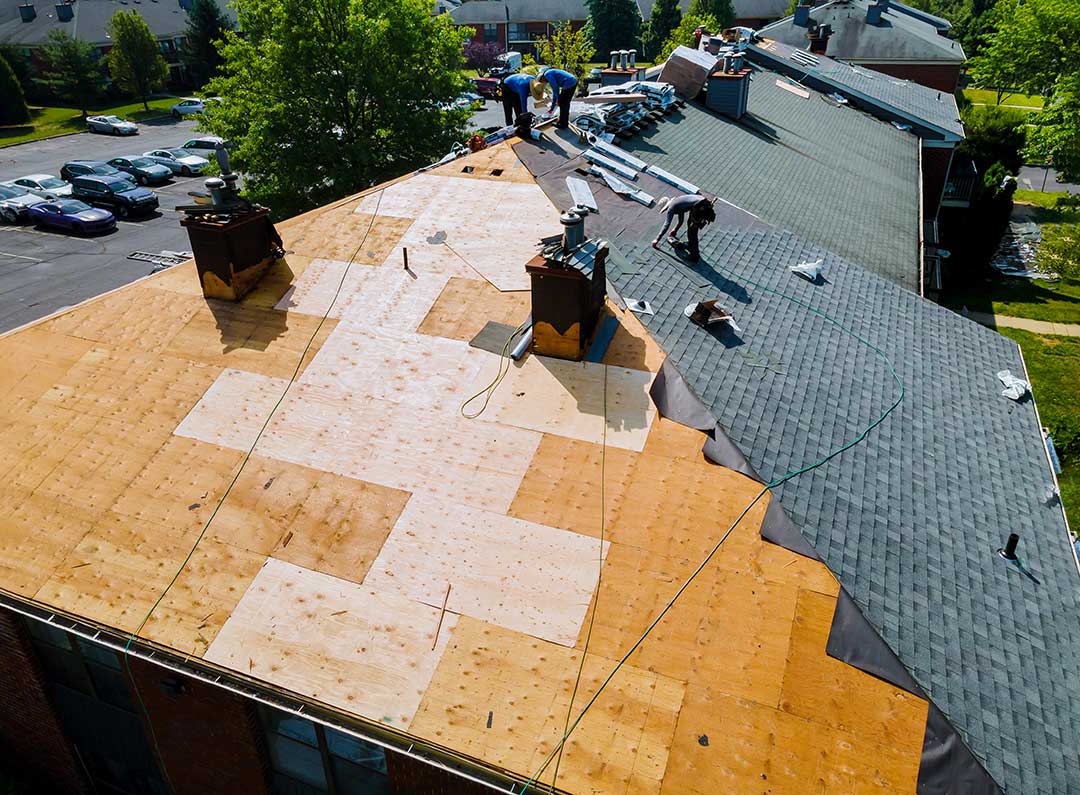
A roof leak and a pest entry point can exist at the same time. Water staining does not prove that an animal caused the damage, and animal activity does not rule out a separate roofing problem.
Do pests cause roof damage, or do they only use existing gaps?
Both situations occur. Many animals take advantage of openings caused by weather, age, or construction details, but some pests also enlarge those openings.
Squirrels may chew through wood and certain vent materials. Rodents can damage insulation and wiring. Birds may dislodge materials while building nests. Larger animals can bend flashing or loosen roof-edge components while trying to enter.
Nesting materials can also create secondary problems. A nest may block ventilation, hold moisture against wood, obstruct drainage, or increase the risk of unpleasant odors and contamination. In some cases, animals moving through an attic disturb insulation enough to create cold areas where condensation develops.
How can roof entry points be reduced?
The most reliable approach is to inspect the entire roof perimeter and all penetrations, not just the location where noise or damage was noticed. Small gaps around vents, chimneys, dormers, skylights, pipes, and utility lines deserve attention.
Useful maintenance measures include:
- Replacing broken or missing vent screens
- Keeping roof-edge trim secure and in sound condition
- Repairing deteriorated fascia and soffits
- Checking flashing after major storms
- Keeping gutters and downspouts functioning so water does not collect at roof edges
- Trimming branches that rub against the roof or provide easy access
- Removing nearby nesting materials only when it is safe and lawful
- Sealing appropriate gaps with materials suited to the location
- Maintaining attic ventilation without blocking designed airflow
Repairs should address the reason the opening developed. Covering a hole without correcting moisture damage, rot, or loose roofing materials may provide only a temporary barrier.
Should an opening be sealed immediately?
Not always. Sealing an opening while an animal is still inside can trap it in the attic or separate a parent from young. Bats, birds, and some other wildlife may also be subject to specific handling and exclusion requirements.
The safest sequence is to identify the entry point, determine whether animals are present, and then use an exclusion method that allows occupants to leave without returning. If there is contact with droppings, nesting material, dead animals, or contaminated insulation, protective equipment and careful cleanup are necessary.
Electrical damage, unstable attic flooring, steep roofs, icy surfaces, and suspected wildlife exposure can make inspection hazardous. Those conditions require appropriate safety measures rather than an improvised roof or attic repair.
Why should seasonal inspections matter in Ithaca?
Roof pest problems often become more noticeable during seasonal transitions. In autumn, animals may search for protected spaces before colder weather arrives. During winter, warm air escaping into an attic can make a hidden opening more attractive. Spring activity may reveal damage caused by snow, ice, wind, or animals that remained sheltered through the colder months.
After a significant storm, heavy snowfall, or ice buildup, checking roof edges, vents, soffits, and attic surfaces can help identify problems before they become larger. For area households, a careful inspection during spring and fall maintenance is often enough to catch loose materials, damaged screens, moisture entry, and early signs of nesting.
The main clue is rarely a single dramatic hole. More often, pest entry results from a combination of a small opening, moisture-damaged material, and a sheltered attic space.
