
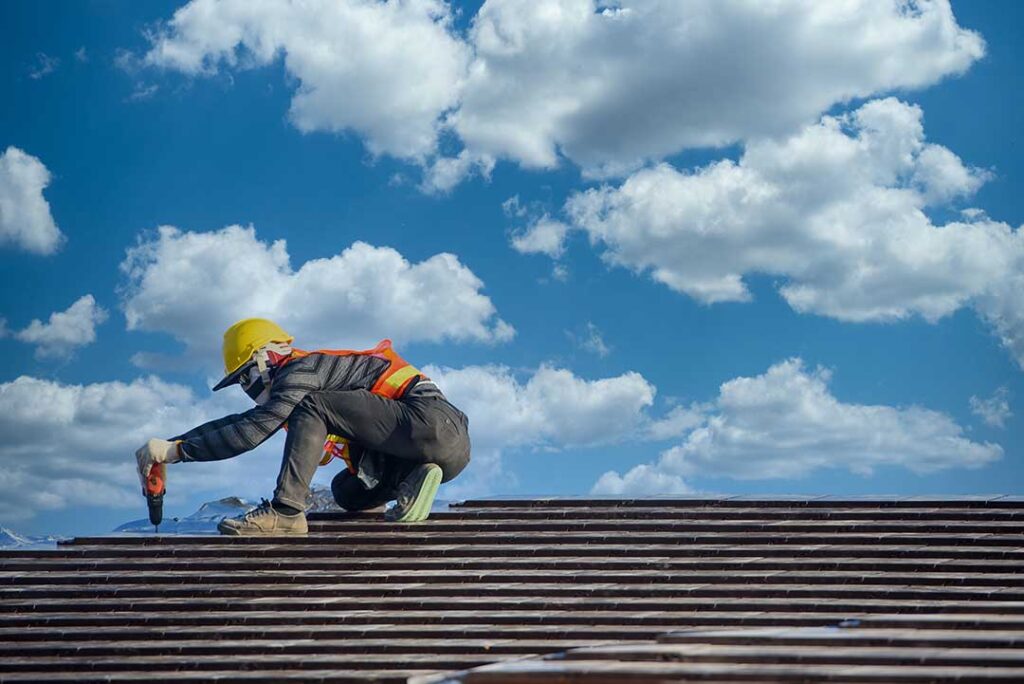
What is the difference between re-roofing and roof replacement?
In Ithaca, NY, re-roofing means installing a new layer of roofing material over an existing layer, while roof replacement means removing the existing roofing down to the roof deck before installing new materials. Re-roofing is generally a limited upgrade; replacement is a more complete roofing project that allows the underlying structure to be inspected and repaired.
The two terms are sometimes used interchangeably, but they do not describe the same work. The right choice depends on the roof’s age, condition, construction, ventilation, and history of previous repairs.
What does re-roofing involve?
Re-roofing places a new layer of shingles over an existing layer. The old shingles usually remain in place, which reduces removal work and can make the project faster and less disruptive.
Re-roofing may be suitable when:
- The existing roof has only one layer of shingles
- The roof deck is dry, solid, and free of sagging
- Damage is limited to surface wear or scattered missing shingles
- The roof has a reasonably simple shape
- The existing shingles are compatible with the new roofing material
- There are no persistent moisture or ventilation problems
A re-roof can improve the appearance of a worn roof and provide another period of service. It may also avoid the labor involved in tearing off and disposing of the old roofing materials.
However, re-roofing does not correct every roofing problem. It covers the existing surface rather than exposing the roof deck. Any hidden rot, deteriorated sheathing, improper flashing, or trapped moisture may remain underneath.
What happens during a full roof replacement?
A full roof replacement generally involves removing the shingles, underlayment, flashing, and other roofing components as needed. The exposed roof deck can then be examined for water damage, rot, weakened areas, or installation problems.
A typical replacement may include:
- Removal of existing roofing layers
- Inspection of the roof deck
- Replacement of damaged sheathing
- Installation of new underlayment
- Replacement or repair of flashing around penetrations and roof edges
- Installation of new shingles or another roofing material
- Evaluation of ventilation and drainage details
Replacement takes more time and produces more debris than re-roofing, but it provides a clearer view of the roof system. This matters in a region where repeated freeze-thaw cycles, snow, wind-driven rain, and ice buildup can gradually affect both the roofing surface and the materials beneath it.
Which option lasts longer?
A properly installed roof replacement generally provides a more reliable long-term result because the old roofing materials are removed and hidden conditions can be addressed. Re-roofing can still perform well, but its service life depends heavily on the condition of the existing roof and the quality of the installation.
A new layer installed over a failing base does not create the same foundation as a complete replacement. For example, if the old shingles are curled, uneven, brittle, or waterlogged, the new shingles may not lie flat or seal properly.
The expected service life also depends on material, roof slope, attic ventilation, installation quality, maintenance, and exposure to weather. A roof that looks acceptable from the ground may still have problems that affect its remaining life.
When is re-roofing usually not appropriate?
Re-roofing is generally a poor choice when the existing roof has significant structural or moisture-related problems. Covering these conditions can make future repairs more difficult and may conceal damage until it becomes more extensive.
Warning signs include:
- More than one existing layer of roofing
- Widespread curling, buckling, blistering, or missing shingles
- Soft spots or visible sagging
- Water stains on ceilings or attic materials
- Rot or mold-like deterioration on roof sheathing
- Repeated leaks in the same areas
- Damaged flashing around chimneys, walls, vents, or skylights
- Persistent ice buildup caused by ventilation or insulation issues
- A roof that has already reached or exceeded its expected service life
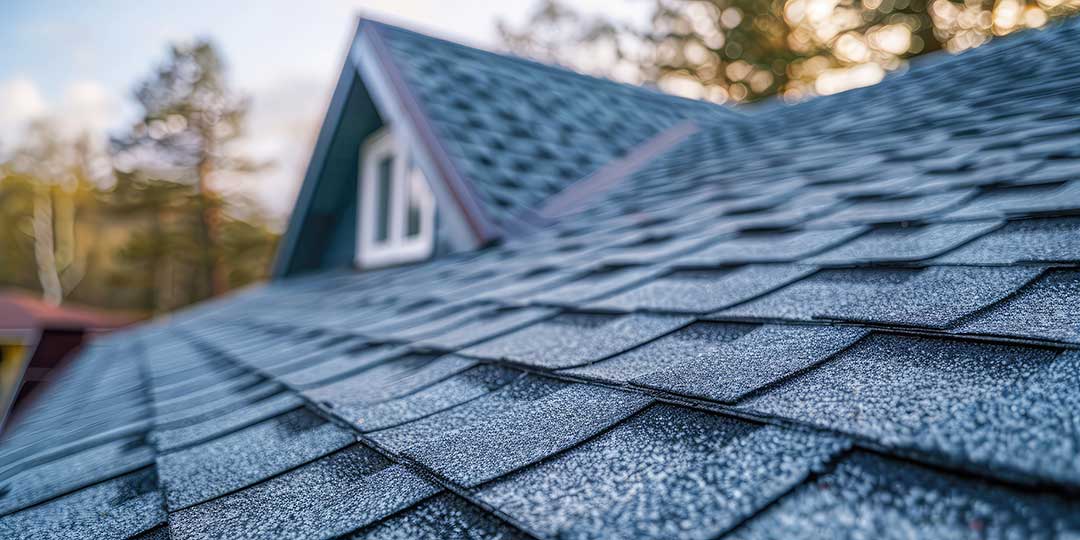
Local homes can also have varied roof designs, including older construction, additions, steep slopes, and intersecting roof sections. Complex areas often contain more flashing and drainage transitions, which can make a surface-level solution less dependable.
Does a roof leak always require full replacement?
No. A single leak does not automatically mean the entire roof must be replaced. Leaks can result from damaged flashing, a failed pipe boot, a small area of missing shingles, or an opening around a roof penetration.
A limited repair may be reasonable when the roofing system is otherwise in good condition and the source can be identified with confidence. The visible stain inside the home may not be directly below the exterior entry point, because water can travel along rafters, decking, insulation, or other surfaces.
Full replacement becomes more likely when leaks are widespread, recurring, difficult to trace, or connected to an aging roofing system. Replacing only the visible symptom may not solve a broader problem involving underlayment, flashing, ventilation, or deteriorated decking.
How do roof layers affect the decision?
The number of existing roofing layers is a major factor. Many roofing systems are designed to support only a limited number of layers, and local requirements may restrict additional layers depending on the structure and the work being performed.
A roof with one sound layer may be a candidate for re-roofing. A roof with multiple layers is more likely to require removal before new materials are installed. Multiple layers can add weight, hide damage, create an uneven surface, and make future inspections more difficult.
Tearing off older layers also gives the installer an opportunity to find problems that cannot be confirmed from the surface. That inspection is one of the main practical advantages of full replacement.
What about flashing, ventilation, and insulation?
The roofing surface is only one part of a roof system. Flashing directs water away from vulnerable joints, while ventilation helps manage heat and moisture in the attic. Insulation affects attic temperature and can influence the formation of ice dams.
Re-roofing may leave older flashing and ventilation components in place unless they are specifically addressed. That can be acceptable when those components remain functional, but it can also limit the benefit of new shingles.
During a full replacement, these details are easier to inspect and update. This does not mean every component must automatically be replaced. Sound materials may remain useful, but they should be evaluated rather than covered without consideration.
How should homeowners compare the two options?
The most useful comparison is not simply the upfront cost. Consider the roof’s present condition, how long the home is expected to be occupied, the number of existing layers, and whether hidden repairs are likely.
Questions worth asking include:
- How many roofing layers are currently installed?
- Is the roof deck expected to be dry and structurally sound?
- Are leaks isolated or recurring in several locations?
- Are flashing and ventilation contributing to the problem?
- Will the new work comply with applicable building requirements?
- How will damaged decking be handled if it is discovered?
- Is the proposed work a short-term improvement or a long-term roofing plan?
For older homes, a full replacement may provide better information and fewer surprises later, even though it requires more work initially. For a relatively sound roof with limited surface wear, re-roofing may be a reasonable approach if the construction and existing materials allow it.
What is the practical rule of thumb?
Re-roofing is mainly a surface upgrade for a roof that is still fundamentally sound. Roof replacement is a rebuilding process used when the existing roofing system is too old, damaged, layered, or uncertain to serve as a dependable base.
In Ithaca, seasonal snow, moisture, wind, and repeated temperature changes make it especially useful to distinguish cosmetic wear from problems beneath the shingles. The key question is not only whether new shingles can be installed, but whether the existing roof provides a safe, level, dry, and suitable foundation for them.
