
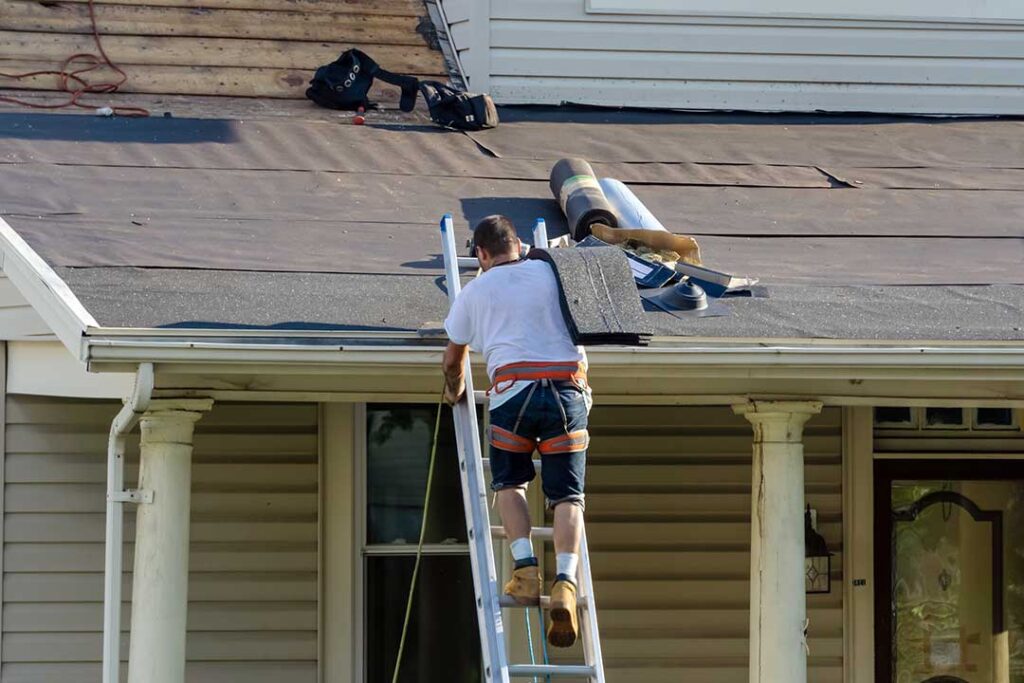
A typical residential roof lasts about 20 to 30 years, but the actual service life depends on the roofing material, installation quality, attic conditions, maintenance, and exposure to weather. In Ithaca, seasonal snow, freezing temperatures, rain, wind, and repeated freeze-thaw cycles can affect roofing materials over time.
A roof’s expected lifespan is a useful planning range, not a guarantee. Some roofs need major repairs much earlier, while well-maintained roofs may continue protecting a home beyond their commonly quoted service life.
How long do common roofing materials last?
The roofing material is the starting point for estimating longevity.
- Basic asphalt shingles: About 15 to 20 years under average conditions.
- Architectural asphalt shingles: Often 20 to 30 years, depending on quality, ventilation, installation, and weather exposure.
- Wood shingles or shakes: Roughly 20 to 30 years when properly maintained, although moisture and shade can shorten that period.
- Metal roofing: Commonly 40 to 70 years, depending on the metal, coating, fasteners, and installation.
- Slate, clay, or concrete tile: Often 50 years or longer, but the supporting structure and underlayment may require attention before the visible roofing material reaches that age.
- Low-slope membrane roofing: Frequently 15 to 30 years, depending on the membrane type, drainage, seams, and exposure.
For many homes in the community, asphalt shingles are the most familiar roofing material. Their age should be considered alongside their condition. A 16-year-old roof with good ventilation and no significant damage may perform better than a newer roof affected by poor drainage or installation problems.
Why does the local climate affect roof life?
Winter weather is one of the main reasons roof age alone does not tell the whole story. Ithaca typically experiences cold seasons, regular snowfall, rainfall, and periods when temperatures move above and below freezing.
Water can enter small cracks or weak points, freeze, expand, and then loosen materials as it thaws. This process may affect shingles, flashing, sealants, gutters, and roof edges. Snow and ice can also add weight and keep roofing surfaces wet for extended periods.
Other local conditions can matter as well:
- Heavy shade can slow drying and encourage moss or algae growth.
- Mature trees may drop branches, leaves, needles, and sap onto the roof.
- Wind can lift shingle edges or damage flashing.
- Snow sliding from a steep roof can affect lower roof sections, gutters, and nearby structures.
- Ice dams can form when heat escapes into a cold attic and melts snow unevenly across the roof.
A roof does not need to be at the end of its expected lifespan to develop a leak. Weather exposure can create isolated problems at any age.
What causes a roof to wear out early?
Premature roof failure is often related to moisture, ventilation, installation, or physical damage rather than normal aging alone.
Poor attic ventilation can allow heat and moisture to accumulate beneath the roof deck. In winter, warm indoor air that leaks into the attic may condense on cold surfaces. Over time, this can contribute to damp insulation, wood deterioration, mold growth, and weakened roof components.
Common causes of shortened roof life include:
- Improperly installed flashing around chimneys, skylights, vents, or wall intersections
- Inadequate attic ventilation or air sealing
- Repeated ice dam formation
- Gutters that overflow onto roof edges
- Debris that holds moisture against shingles
- Fastener problems or exposed nail heads
- Foot traffic that cracks or dislodges roofing materials
- Unaddressed storm, branch, or wind damage
- Multiple layers of old roofing that conceal damaged decking or flashing
A roof may appear acceptable from the ground while problems develop underneath. Attic inspection can reveal damp wood, stained decking, wet insulation, daylight around penetrations, or signs of previous leaks.
What are the signs that a roof may need replacement?
Visible aging does not always mean immediate replacement, but several warning signs deserve attention.
Look for:
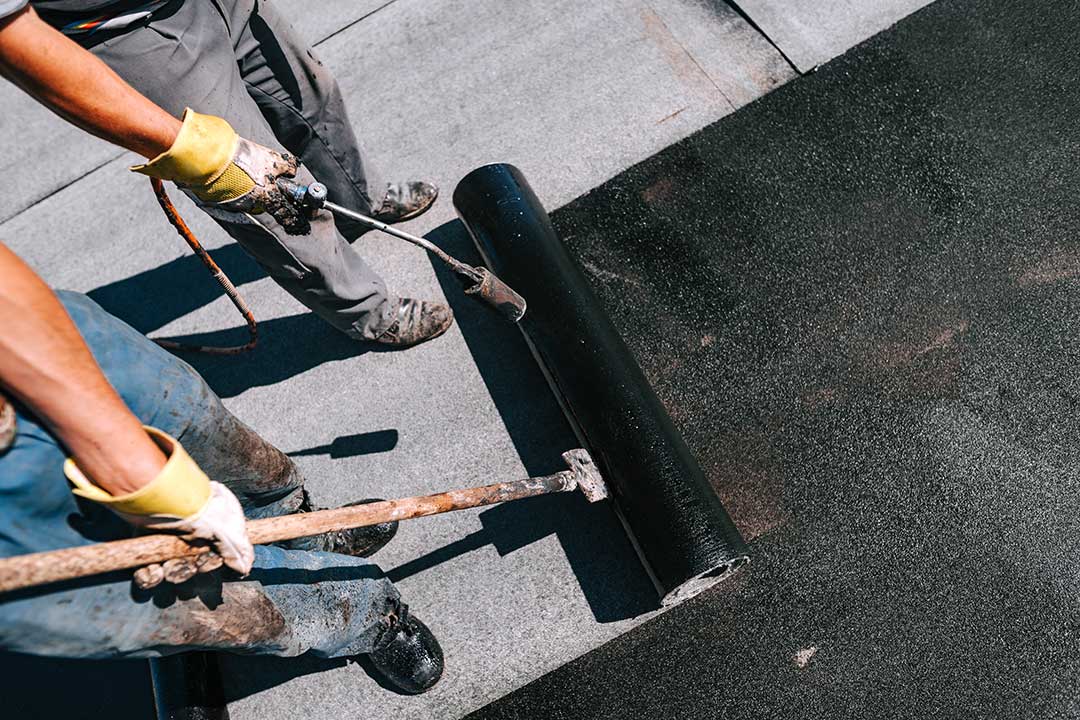
- Shingles that are curled, cracked, blistered, or missing
- Areas where the surface granules have worn away
- Sagging roof lines or soft spots in the decking
- Persistent leaks or water stains on ceilings and upper walls
- Rusted, separated, or damaged flashing
- Moss or organic growth covering large areas
- Shingle granules collecting in gutters
- Repeated repairs in the same location
- Daylight visible through the roof deck
- A roof approaching or exceeding its expected material life
A single damaged shingle may be repairable. Widespread granule loss, brittle shingles, sagging, or recurring leaks usually suggest that the roof system is nearing the end of its practical service life.
Can regular maintenance make a roof last longer?
Routine maintenance can help prevent small defects from becoming larger failures, although it cannot make an aging roof new again.
Useful maintenance includes keeping gutters and downspouts clear, trimming branches that rub against the roof, removing heavy debris, and checking attic areas for moisture after major storms. Snow should not be removed casually with sharp tools or by walking on icy shingles, since those actions can cause additional damage or create a fall hazard.
Moss and algae should also be handled carefully. Aggressive pressure washing can remove protective granules and shorten shingle life. The safest cleaning method depends on the roofing material and the extent of growth.
Ventilation and air sealing deserve particular attention in cold climates. Bathroom fans, kitchen exhaust, and dryers should discharge outdoors rather than into the attic. Controlling indoor moisture and maintaining clear ventilation pathways can reduce condensation and help protect roof decking.
Does a roof need replacement as soon as it reaches its expected age?
No. A quoted lifespan is not an automatic replacement deadline. It is a point at which closer evaluation becomes more useful.
For example, a 20-year-old asphalt roof with intact shingles, sound flashing, dry attic conditions, and no history of leaks may have useful remaining life. A 10-year-old roof with widespread curling, poor drainage, storm damage, or persistent moisture may require more immediate attention.
The most reliable decision considers:
1. The roof’s age and material
2. The condition of shingles or membrane surfaces
3. Flashing and roof penetrations
4. The condition of the decking and attic
5. Drainage, gutters, and areas where snow or water collects
6. The frequency and location of past repairs
7. Whether damage is isolated or spread across the roof
Safety concerns change the situation. Sagging areas, active leaks near electrical components, major storm damage, and unstable roofing materials should not be inspected by climbing onto the roof. A qualified roof inspector may be necessary when conditions cannot be evaluated safely from the ground or attic.
How should homeowners estimate remaining roof life?
A practical estimate comes from combining age with condition rather than relying on either one alone. Keep records of installation dates, repairs, storm events, and recurring leak locations. Photographs taken from the ground can also make it easier to track changes over several seasons.
For households in Ithaca, a roof inspection is particularly useful before winter if there are already signs of aging, damaged flashing, clogged drainage, or attic moisture. Identifying weak points before snow and freezing weather arrive can help distinguish a minor maintenance issue from a larger roof-system problem.
A typical roof may last two or three decades, but its real lifespan is shaped by how well it sheds water, manages moisture, withstands seasonal weather, and receives attention when small problems first appear.
