
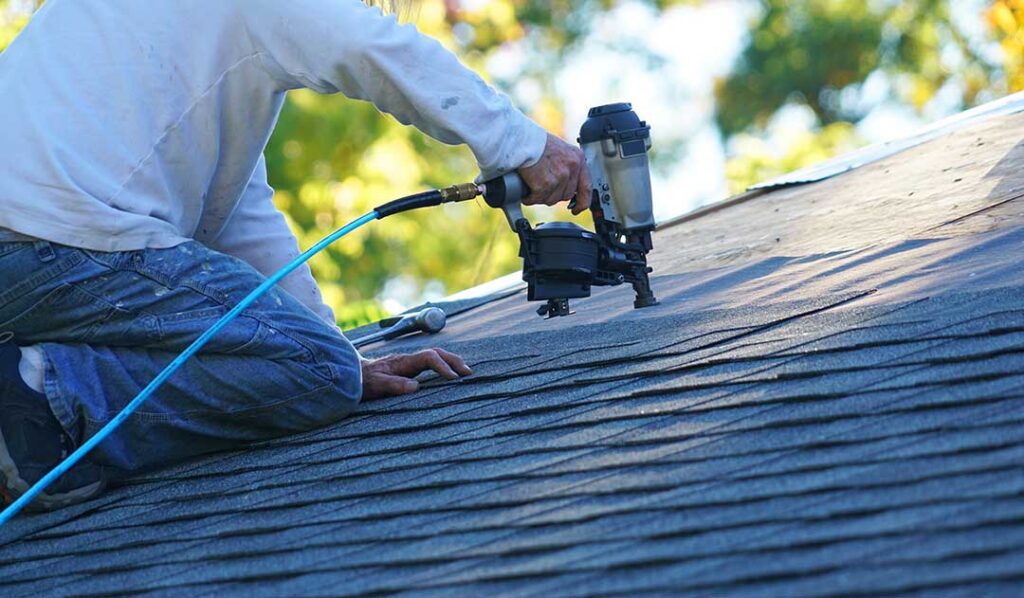
Roof maintenance is easiest when it follows the seasons. In Ithaca, NY, roofs must handle snow, freeze-thaw cycles, wind, heavy rain, falling leaves, and summer heat. A short inspection several times a year can reveal small problems before they become leaks, interior damage, or unsafe conditions.
What should be checked after winter?
After snow and ice have cleared, inspect the roof, gutters, attic, and areas around ceilings and exterior walls. Spring is the best time to look for damage caused by winter weather.
From the ground, check for:
- Missing, cracked, curled, or displaced shingles
- Bent or loose metal flashing around chimneys, skylights, vents, and roof edges
- Sagging roof lines
- Damaged gutters, downspouts, or gutter hangers
- Large areas of moss, algae, or debris
- Exposed underlayment or roofing fasteners
Do not climb onto a wet or steep roof. Binoculars can provide a useful first look from the ground, while attic inspection can reveal problems that are not visible outside.
Inside the attic, look for damp insulation, water stains, darkened wood, mold-like growth, or daylight showing through the roof deck. A leak may appear several feet away from the point where water entered, because water can travel along rafters and sheathing.
Spring is also a good time to inspect ceilings and upper walls. Stains that appeared during late winter may become more noticeable after repeated rain.
How should gutters and downspouts be maintained?
Gutters should be cleared at least in spring and late fall, with additional checks if trees surround the home. Leaves, twigs, roof grit, and ice can block water and cause it to spill against fascia boards, siding, foundations, or walkways.
After cleaning, confirm that:
- Gutters slope gently toward their outlets
- Downspouts are firmly attached
- Elbows and underground extensions are not blocked
- Water is directed away from the foundation
- Gutter edges are not pulling away from the roofline
- Fasteners and seams are not visibly loose or separated
During a rainstorm, observe whether water flows steadily through the system. Overflow at one location may indicate a clog, an improperly sloped section, or a roof drainage problem rather than simply “too much rain.”
Do not rely on gutter guards as a maintenance-free solution. Small debris can still collect on top of or beneath them, and the roof edge should remain visible for inspection.
What should be inspected during summer?
Summer maintenance focuses on ventilation, flashing, sealants, and damage that may have developed during spring storms. Strong wind can loosen shingles or expose weak points around roof penetrations.
Look for granules collecting in gutters, which may indicate shingle wear. A few granules are normal, especially on newer roofing, but a sudden increase can signal accelerated deterioration.
Check the condition of:
- Pipe collars and vent boots
- Chimney flashing and masonry joints
- Skylight frames and surrounding roofing
- Drip edges and fascia boards
- Roof valleys where water flows in concentrated channels
- Sealants that are cracked, dry, or pulling away
Warm attic temperatures are not always a roof defect. However, excessive heat combined with poor airflow can shorten the life of roofing materials and increase indoor cooling demand. Air should generally enter through properly designed soffit or eave vents and leave through compatible upper-roof ventilation. Blocking vents with insulation can reduce airflow and contribute to moisture problems.
Trees should also be evaluated before storm season. Branches that touch or overhang the roof can scrape shingles, drop debris, and increase the chance of impact damage during wind. Trimming should be done from a safe position, not from the roof.
Why is fall preparation especially important?
Fall maintenance helps prevent winter problems. Clean the roof surface and gutters before leaves become wet, compacted, and difficult to remove. Pay particular attention to valleys, roof-to-wall areas, and locations beneath trees.
Before freezing weather arrives:
- Clear leaves and organic debris from gutters
- Confirm that downspouts remain open
- Secure loose flashing or exterior trim
- Remove small branches from the roof
- Check attic insulation for dampness or displacement
- Make sure bathroom and kitchen exhaust fans vent outdoors rather than into the attic
- Inspect for signs of rodents or birds entering through roof openings

Moisture in an attic is not always caused by a roof leak. Warm indoor air can enter the attic through gaps around light fixtures, plumbing penetrations, attic hatches, or ductwork. That air can condense on cold surfaces during winter. Sealing air leaks and maintaining adequate insulation and ventilation can help distinguish a building-ventilation issue from a roofing failure.
How can ice dams be reduced?
Ice dams form when heat from the building melts snow on warmer sections of the roof and the water refreezes near colder eaves. The resulting ice can block drainage and allow water to move beneath roofing materials.
The most useful prevention measures are consistent attic insulation, controlled air leakage, and balanced ventilation. Keeping gutters clear also gives meltwater a better path away from the roof edge, although clean gutters alone cannot prevent ice dams.
Avoid chopping at ice with tools or applying corrosive chemicals. These actions can damage shingles, metal components, gutters, landscaping, and people below. A roof rake may be appropriate for limited snow removal from the ground, but it should be used carefully and according to the roof material and equipment instructions.
Heavy snow, large ice formations, visible roof deflection, cracking sounds, or interior water entry require caution. Roofs are especially hazardous when covered with ice, and snow removal from a roof can cause falls or structural damage.
How often should a roof be inspected?
A practical schedule is:
- Early spring: Check for winter damage, leaks, and gutter problems.
- Early summer: Review flashing, ventilation, trees, and storm damage.
- Late fall: Clear debris and prepare drainage systems for freezing weather.
- After severe weather: Look for displaced materials, fallen branches, or new interior stains.
A roof that is older, shaded, heavily wooded, or exposed to frequent snow accumulation may need closer observation. Buildings with additions, dormers, multiple roof slopes, skylights, or complex flashing details also have more locations where water can enter.
Which warning signs should not be ignored?
Some conditions deserve prompt attention rather than seasonal monitoring:
- Water stains that are growing or returning
- Dripping during rain or thawing weather
- Sagging roof sections or ceilings
- Shingles appearing in the yard
- Large areas of missing granules
- Rusted or separated flashing
- Persistent damp attic insulation
- Mold-like odors or visible growth
- Ice dams accompanied by interior leaks
- A roof edge, gutter, or chimney component that has pulled away
Roof work becomes dangerous when surfaces are wet, icy, steep, or structurally weakened. Inspection from the ground is appropriate for routine observation, but hazardous conditions and active leaks may require qualified assistance to protect occupants and prevent further damage.
