
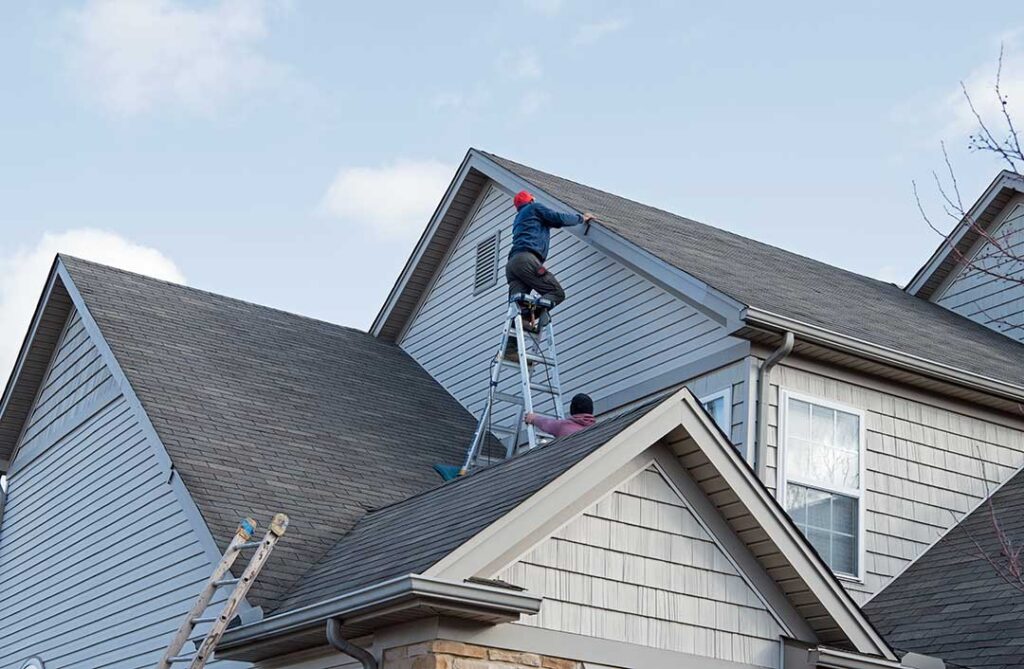
Cleaning a roof safely requires more than removing visible dirt. The work can damage shingles, create slippery surfaces, harm nearby plants, and expose a person to a serious fall. For many homes in Ithaca, NY, the safest approach is to clean from the ground whenever possible and avoid stepping onto the roof unless proper fall-protection equipment and training are available.
What makes roof cleaning hazardous?
Roof cleaning combines several risks: height, water, chemicals, unstable footing, and hidden roof damage. A roof that looks dry from the ground may become extremely slick after treatment, especially where algae, moss, pine needles, or leaf debris are present.
Common hazards include:
- Falling from the roof or ladder
- Slipping on wet shingles
- Breaking or loosening roofing materials
- Splashing cleaning solution into the eyes or onto skin
- Damaging siding, windows, landscaping, or exterior finishes
- Allowing debris to enter gutters and downspouts
- Walking on weak areas around chimneys, skylights, valleys, or roof edges
Cold winters and repeated freeze-thaw cycles can also leave shingles, flashing, and roof edges more fragile than they appear. Cleaning should not be used as an opportunity to walk across a roof that already shows signs of deterioration.
Should you climb onto the roof to clean it?
Usually, no. A homeowner can often handle light debris removal from the ground or from a properly positioned ladder, but climbing onto a sloped roof is not a routine household task.
Do not walk on the roof if it is wet, icy, frosted, steep, unusually high, damaged, or covered with moss. Avoid roof access if there are skylights, fragile roofing panels, loose shingles, overhead wires, or no secure place to attach fall-protection equipment.
A ladder is not a substitute for a fall-arrest system. If a task requires working on the roof rather than simply reaching a low edge, the safety setup becomes more complex. The ladder must rest on stable, level ground, be inspected before use, and be secured against movement. It should extend above the landing surface sufficiently to provide a stable handhold when stepping off or returning.
Never place a ladder on ice, snow, loose soil, a pile of leaves, or an uneven surface. Do not work alone, overreach, stand on the top step, or carry bulky equipment while climbing.
What equipment is appropriate for basic roof cleaning?
For ground-level or low-edge cleaning, use tools that limit the need to climb:
- A soft-bristle brush or roof-safe extension pole
- A garden hose with a gentle spray setting
- A stable ladder used only where footing and access are secure
- Work gloves, eye protection, and slip-resistant footwear
- Plastic sheeting or temporary covers for delicate plants and exterior fixtures
- A bucket or container for collecting loose debris
- A hose-end shutoff to control water flow
Avoid metal tools that can scrape granules from asphalt shingles. A leaf blower may be useful for dry leaves on a low-slope area, but blowing debris toward people, vehicles, windows, neighboring property, or open attic vents can create additional problems.
How should loose leaves and debris be removed?
Start from the ground and work upward only as far as can be reached safely. Use a soft tool with a long handle rather than dragging a rake across the roof surface.
Pulling aggressively can lift shingle edges or remove protective granules. It can also push debris beneath overlapping shingles, where it may hold moisture. Clear leaves from valleys, roof-to-wall intersections, and areas behind chimneys, but do not pry at flashing or sealant.
Gutters should be checked after roof debris is removed. Roof cleaning can send additional material into the gutter system, causing blockages. Make sure downspouts discharge away from the foundation and are not clogged at the bottom.
What is the safest way to remove moss and algae?
Light algae staining may be treated with a cleaner specifically labeled for the type of roofing material involved. Follow the product label exactly, including dilution, application method, contact time, rinsing instructions, and protective equipment.
Do not assume that a stronger solution works better. Excessive chemical strength can damage roofing, discolor siding, harm plants, and contaminate soil or surface water. Keep children and pets away from the work area, and avoid spraying during windy conditions.
Moss should not be forcibly scraped from shingles. Thick growth may have roots or holdfasts that have already disturbed the roofing surface. A gentle treatment can loosen it over time, but removing moss does not repair any underlying damage.
Use care near rain barrels, vegetable gardens, ponds, and storm drains. Prevent runoff from flowing over landscaping or into drainage systems whenever possible. Rinse affected plants with clean water if they are accidentally exposed, while following all label directions for the cleaning product.
Why should pressure washing usually be avoided?
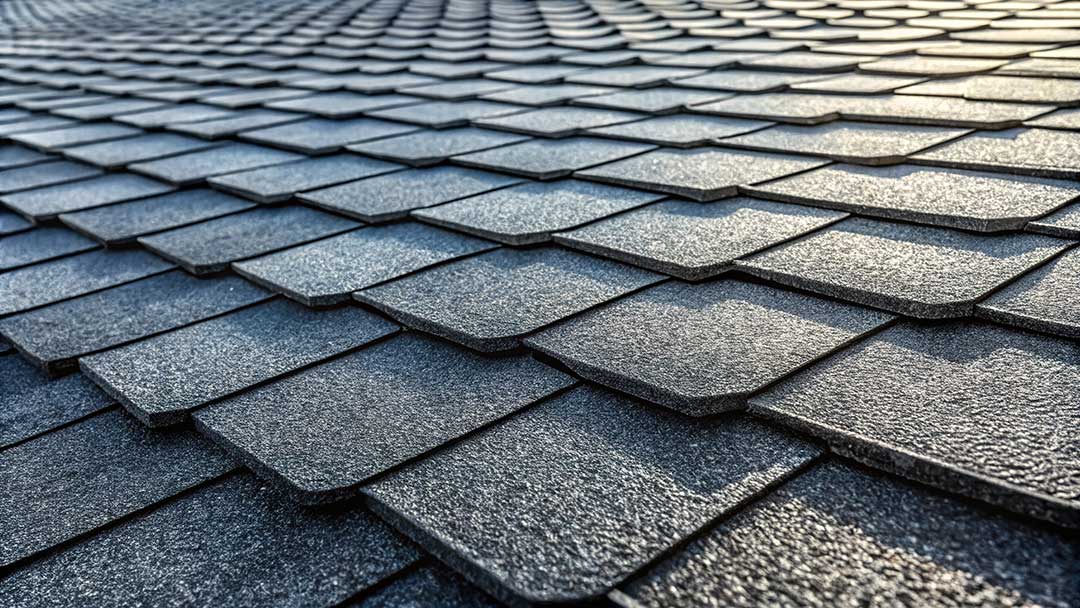
Pressure washing is generally too aggressive for asphalt shingles and many other residential roofing materials. High-pressure water can remove granules, force water beneath shingles, damage flashing, and shorten the roof’s useful life.
It may also spread contaminated runoff over siding and landscaping. A roof can look cleaner immediately after pressure washing while having sustained damage that becomes visible months or years later.
If water is needed, use a low-pressure garden-hose rinse or a method specifically approved for the roofing material. Do not aim water upward beneath shingle edges, vents, flashing, or siding joints.
When is the best time to clean a roof in Ithaca?
Choose a dry, calm day when the roof and surrounding ground are free of ice. Late spring through early fall is generally more practical than winter because cold surfaces, snow, and freezing water increase slip hazards.
Avoid cleaning before heavy rain if the runoff could carry debris or chemicals onto nearby property. Also avoid very hot, sunny conditions if a cleaning solution may dry too quickly or leave uneven marks.
After autumn leaf fall, inspect the roof and gutters from the ground. Removing loose debris before it becomes wet and compacted can reduce blocked gutters and damp areas, but the work should still be limited to locations that can be reached without unsafe climbing.
What signs mean the roof should not be cleaned by a homeowner?
Stop and avoid roof access if you see:
- Missing, curled, cracked, or loose shingles
- Sagging roof areas
- Exposed underlayment or roof decking
- Rusted, lifted, or separated flashing
- Damaged skylights or roof vents
- Extensive moss attached to the roofing surface
- Water stains or active leaks inside the home
- Ice, frost, or standing water
- A roof slope that requires special climbing equipment
Cleaning cannot correct structural damage or a leak. Scrubbing a damaged area may make the condition worse by removing loose material or disturbing a temporary seal.
How can roof stains and moss be reduced later?
Keeping gutters clear, trimming branches away from the roof, and improving sunlight and airflow can reduce recurring moisture. Remove leaves from roof valleys and gutters before they become saturated.
Moss is more likely to return where shade, dampness, and organic debris persist. A roof-cleaning treatment may improve appearance, but recurring growth can indicate poor drainage, overhanging vegetation, or aging roofing materials.
The safest cleaning plan is modest: remove loose debris without scraping, use only roof-compatible cleaning methods, control runoff, and avoid any task that requires unsafe movement on a slope.
