
Roofing rules are not merely paperwork requirements. They establish minimum standards for structural safety, weather protection, fire resistance, drainage, ventilation, and energy performance. For property owners in Ithaca, NY, understanding these requirements can help prevent avoidable leaks, unsafe roof conditions, inspection problems, and costly corrections.
What building codes govern roofing work?
Roofing projects in Ithaca are generally governed by the New York State Uniform Code, the New York State Energy Conservation Construction Code, and applicable local requirements.
New York State sets the basic construction standards used throughout most of the state. Local enforcement determines how those standards apply to a particular property, project, and permit application. Local zoning, historic-preservation rules, floodplain requirements, or other property-specific regulations may also affect the work.
The applicable code can depend on several factors:
- Whether the building is a one- or two-family dwelling, a multifamily building, or a commercial structure
- Whether the project is a repair, reroofing project, roof replacement, addition, or structural alteration
- The number of existing roofing layers
- Whether the roof structure has been damaged or weakened
- Whether solar equipment, new skylights, dormers, or other features are being added
- Whether the property is located in an area subject to additional local review
The state code was updated effective December 31, 2025. That means a permit application submitted after that date may be subject to the 2025 New York State code requirements rather than the earlier 2020 provisions.
Does replacing a roof require a permit?
In Ithaca, roofing work is listed among the types of work that may require a building permit because it must comply with the Uniform Code or Energy Code.
A permit is more than permission to begin. It creates a formal record of the work and allows the building department to review whether the proposed assembly, materials, structural conditions, and related details meet applicable requirements.
Permit needs can vary depending on the scope of work. A limited repair may be treated differently from a full replacement, structural repair, or project that changes the roof’s configuration. Replacing roofing materials may also expose deteriorated sheathing, inadequate flashing, unsafe framing, or other conditions that require correction before new materials are installed.
Before work begins, property owners should confirm the requirements for the specific address and project. Assumptions based on a neighboring property or a previous roofing job may not apply.
How do local codes address snow, ice, and severe weather?
Roof design rules account for environmental conditions, including snow loads, wind, rain, freezing temperatures, and ice formation. These factors are especially relevant in Ithaca, where roofs experience repeated freeze-thaw cycles, winter snowfall, spring moisture, and occasional heavy weather.
A roof must be capable of carrying expected loads through its structural framing, sheathing, fasteners, and covering system. A roof that appears sound from the outside may still have weakened rafters, trusses, or sheathing beneath older layers of roofing.
Ice-barrier requirements are another important consideration. In cold climates, snow can melt over warmer portions of a roof and refreeze near colder eaves. This can create ice dams that force water beneath shingles or other roof coverings. Proper underlayment and flashing details help reduce that risk, although no code-compliant roof can guarantee that ice dams will never occur.
Ventilation and insulation also matter. Poor attic ventilation can contribute to condensation, moisture damage, roof-deck deterioration, and uneven winter temperatures. Code requirements help establish a baseline for managing moisture and heat, but existing homes may require a broader evaluation when problems persist.
Why does the code regulate reroofing and multiple layers?
Reroofing rules help prevent new materials from being installed over an unsafe or unsuitable base.
In general, a roof recover may not be allowed when the existing roof is water-soaked, severely deteriorated, or already contains multiple layers. Certain materials, including some types of tile, may also be subject to special restrictions. The condition of the existing sheathing must be considered because new shingles or panels cannot correct structural decay hidden beneath them.
Multiple roof layers can add weight, conceal damage, interfere with proper fastening, and make future repairs more difficult. They can also affect how flashing, valleys, eaves, and roof edges perform.
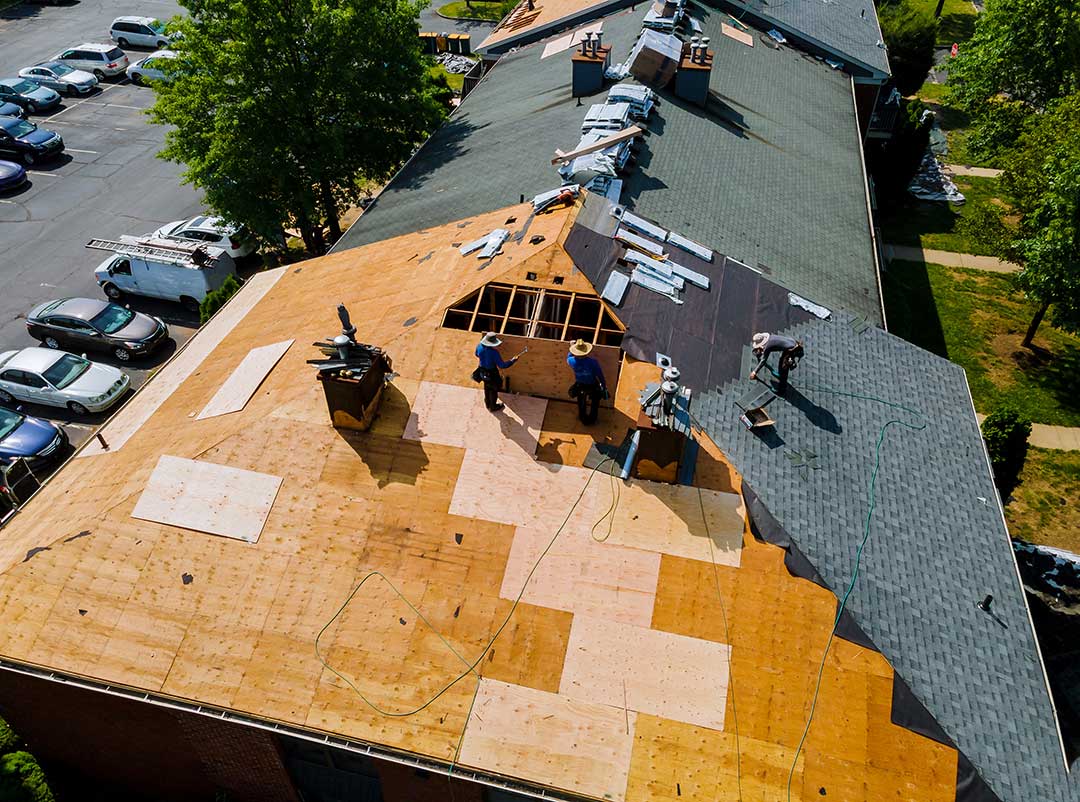
A tear-off may reveal:
- Rot or delamination in the roof sheathing
- Water damage around chimneys, skylights, and roof penetrations
- Inadequate or deteriorated flashing
- Improperly framed roof additions
- Evidence of long-term condensation
- Structural movement or sagging
Code requirements do not exist simply to increase project cost. They help prevent a new roof from being installed over conditions that could shorten its service life or create a safety concern.
How do flashing, drainage, and ventilation affect code compliance?
Roof coverings receive much of the attention, but many roof failures begin at details rather than in the field of the roof.
Building standards address items such as:
- Flashing at walls, chimneys, valleys, skylights, and roof edges
- Drainage and the prevention of water accumulation
- Underlayment beneath roof coverings
- Approved materials and installation methods
- Fire classification
- Roof penetrations and mechanical equipment
- Attic ventilation and insulation
- Fastening patterns for specific roofing materials
A roof can have good-quality shingles and still leak if flashing is missing, step flashing is reused after deterioration, or water is directed behind siding instead of away from the building.
In older housing stock, layers of past repairs may make these details difficult to evaluate. A code review can identify problems that are not obvious during a quick visual inspection.
What happens if roofing work does not follow local requirements?
Unpermitted or noncompliant work can create practical and legal complications. The building department may require corrections, additional documentation, inspections, or removal of improperly installed materials.
A missing permit can also make it harder to establish what work was completed and when. That may matter during a property sale, insurance review, refinancing process, or future renovation.
A final inspection does not guarantee that a roof will never leak, nor does it replace routine maintenance. It does provide an official check that the work was presented as complying with the applicable requirements at the time of construction.
What should property owners ask before roofing work begins?
A few specific questions can prevent misunderstandings:
- Is a permit required for this exact project and property?
- Which New York State code edition applies to the application?
- Will the existing roof be removed or covered?
- How will damaged sheathing or framing be handled?
- Are new flashing, underlayment, ventilation, or ice-barrier details required?
- What inspections are needed, and at what stages?
- Are zoning, historic, floodplain, or other local reviews involved?
- Will the permit and inspection records be retained with the property documents?
The responsible property owner, designer, or contractor must comply with applicable state and local requirements. If structural safety is affected, or if the roof has significant sagging, fire damage, widespread rot, or unsafe access conditions, qualified building and design expertise may be necessary.
Local building codes provide a practical safety baseline for roofs exposed to winter weather, moisture, aging materials, and changing household needs. Understanding those rules before work begins helps ensure that a replacement or repair addresses the whole roof system rather than only the visible surface.
