
What does a roof fire rating measure?
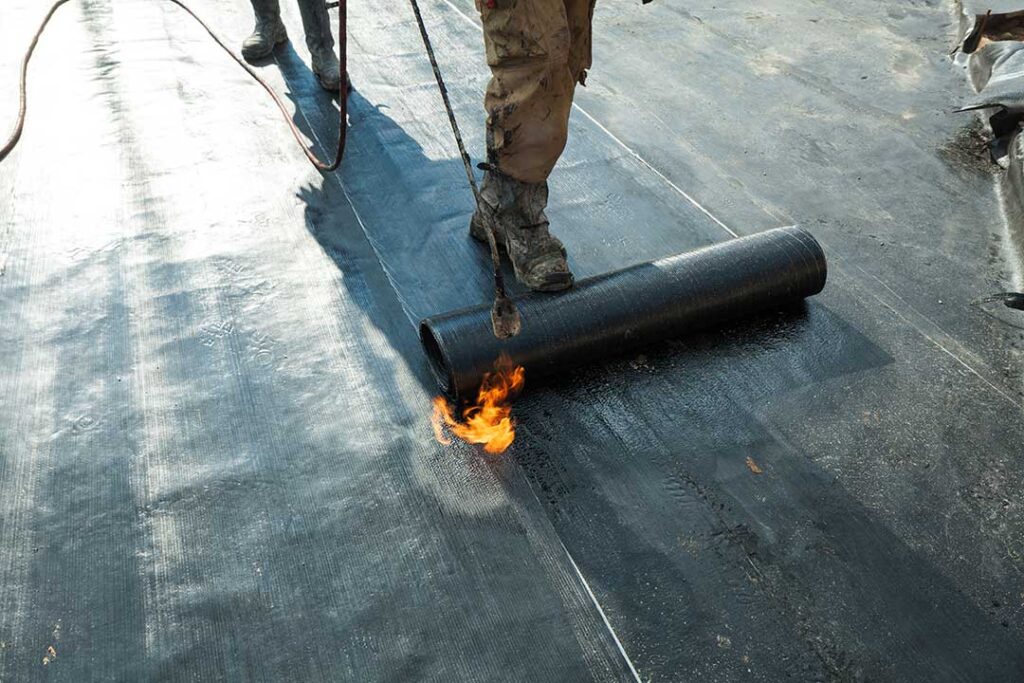
A roof fire rating describes how a roof assembly performs when exposed to fire from outside the building. It is not simply a rating for the visible shingles or panels. The tested assembly may include the roof covering, underlayment, deck, insulation, and other components installed together.
Roof fire classifications are commonly identified as:
- Class A: Effective against severe fire exposure
- Class B: Effective against moderate fire exposure
- Class C: Effective against light fire exposure
- Nonclassified: Approved roofing material that has not been listed as Class A, B, or C
Class A provides the strongest level of protection among the three classifications. It does not mean the roof is fireproof, and it does not guarantee that a fire cannot spread across or through the roofing system.
Why does the roof assembly matter more than the roofing material alone?
A common misunderstanding is that a product automatically has the same fire rating regardless of how it is installed. In practice, the complete assembly is what is tested.
For example, asphalt shingles may achieve a Class A rating when installed with a particular underlayment and roof deck. The same visible shingles installed over different materials or in a different configuration may not produce the same tested result.
The following components can affect the classification:
- Roof decking, such as plywood or oriented strand board
- Underlayment beneath the roof covering
- Insulation or cover boards
- Fasteners and installation methods
- Roof slope
- Air spaces beneath the covering
- The type and arrangement of solar equipment
- Whether the roof covering is installed over a combustible or noncombustible deck
This is why a product label or installation specification should be reviewed as a complete system rather than judged by appearance alone.
What are Class A, B, and C roofs designed to withstand?
The classifications are based on standardized fire testing. The tests examine how a roof assembly responds to conditions such as flame spread, fire penetration, and the movement of burning materials across the roof surface.
A Class A roof is tested against the most severe exterior fire exposure recognized by the classification system. Class B and Class C assemblies are tested against less severe exposure levels.
The rating does not represent a number of hours, such as a one-hour or two-hour fire-resistance rating. That is a separate concept. Fire-resistance ratings generally describe how long a structural assembly can maintain its function during a fire. Roof fire classification focuses primarily on how the roof covering responds to fire exposure from outside.
Are most residential roofs in Ithaca required to be Class A?
Many residential roofing systems in the area are installed as Class A assemblies, but the exact requirement depends on the building type, construction classification, roof location, and applicable code provisions.
New York’s residential code includes fire-classification requirements for roof assemblies. It also addresses situations where a roof edge is close to a property line. For certain buildings and conditions, Class A, B, or C assemblies may be required.
Commercial, multifamily, and other larger buildings can be subject to different requirements based on construction type and occupancy. The minimum classification may not be identical for every structure.
The 2025 New York State Uniform Code became fully effective on December 31, 2025. Existing buildings are not automatically required to be rebuilt to every current standard, but roof replacements, additions, alterations, and permit applications may trigger code requirements. The applicable rules can depend on the scope of work and how the existing building is classified.
Does asphalt roofing usually have a fire rating?
Many asphalt shingle systems are tested and listed as Class A, especially products made with fiberglass reinforcement. However, the rating belongs to the listed assembly and installation method, not to the general category of “asphalt shingles.”
Older roofing may have limited documentation, particularly if the original packaging and installation records are no longer available. The visible condition of the shingles also does not reveal the complete fire classification.
For a replacement project, useful information includes:
- The product’s listed fire classification
- The required underlayment
- Approved roof deck conditions
- Fastener requirements
- Minimum and maximum roof slopes
- Whether the installation is approved for the specific roof design
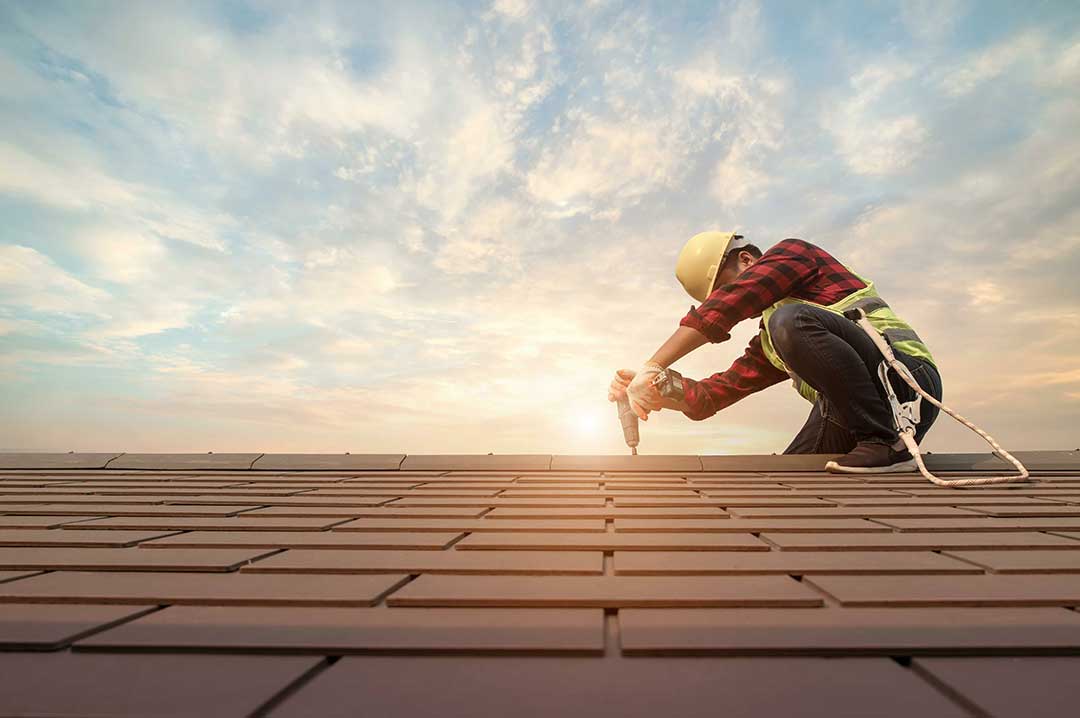
Following the manufacturer’s instructions is part of maintaining the tested assembly.
How do metal, slate, tile, and wood roofs compare?
Material type can influence fire performance, but no single material should be judged without considering the full installation.
Metal panels and shingles are often associated with strong fire performance, but gaps, combustible substrates, coatings, and underlayment can still affect the tested assembly. Slate, clay tile, and concrete tile can qualify as Class A in particular configurations, including installations over suitable noncombustible decks.
Wood shakes and shingles require closer attention. Some wood products are treated with fire-retardant chemicals and tested for a specific classification. Untreated wood roofing should not be assumed to meet a Class A, B, or C requirement simply because it is thick or in good condition.
The important question is not only “What is the roof made of?” but also “What tested assembly does this installation match?”
Do solar panels change a roof’s fire rating?
They can. Solar panels installed above an existing roof and building-integrated photovoltaic systems are evaluated under separate requirements.
A solar installation may need to be tested and labeled for roof fire classification. The panels, mounting system, spacing, wiring, roof covering, and underlying assembly can all affect performance. A roof that was originally classified in one way may require additional evaluation after photovoltaic equipment is added.
Solar equipment should not be treated as unrelated to the roof assembly. Its placement can also affect access for firefighters, drainage, maintenance, and the condition of the underlying roof.
What does roof fire rating mean during a winter fire?
Cold weather does not eliminate roof fire risk. In Ithaca, roofs commonly experience snow, ice, freeze-thaw cycles, and extended periods of dampness. These conditions can affect roof materials over time, although they do not change a product’s tested classification by themselves.
Seasonal issues that deserve attention include:
- Snow and ice concealing damaged or missing roof coverings
- Ice dams allowing water to enter around eaves and roof edges
- Wet leaves or debris collecting in valleys and low-slope areas
- Chimney or heating-equipment clearances being obscured by snow
- Temporary heat sources being used near combustible roofing or wall materials
- Aging sealants and flashing becoming brittle after repeated temperature changes
A Class A roof still requires proper maintenance. Fire performance does not replace safe chimney practices, electrical maintenance, appropriate clearance around heating equipment, or careful use of portable heaters.
How can a homeowner verify a roof’s fire classification?
Start with the roofing records, product packaging, permit documents, or installation specifications. Look for a clear reference to Class A, Class B, or Class C and confirm that the classification applies to the complete roof assembly.
For an older home, the exact classification may be difficult to establish without opening the roof or locating historical documentation. A visual inspection can identify obvious concerns such as exposed decking, deteriorated underlayment, improper repairs, or combustible debris, but it cannot reliably determine the tested fire rating.
If a roof is being replaced, altered near a property line, or combined with solar equipment, code compliance and assembly documentation become especially important. Hazardous conditions, active fire damage, exposed electrical components, or structural deterioration require qualified evaluation rather than guesswork.
IMAGE_ALT:
Roofing materials, underlayment, and labeled fire classification documents arranged on a workbench beside roof plans.
