

Roof decking is the structural layer beneath the shingles or other roof covering. It is usually made from plywood or oriented strand board and rests across the roof rafters or trusses. Although it is not visible from the ground, damaged decking can affect the roof’s strength, weather resistance, insulation, and interior finishes.
In Ithaca, NY, repeated snow, ice, rain, freeze-thaw cycles, and shaded roof areas can expose weaknesses in roof decking over time. Recognizing early warning signs can help prevent a small leak from becoming a larger structural problem.
What does roof decking do?
Roof decking provides a continuous surface for roofing materials and transfers the weight of the roof covering, snow, and maintenance activity to the rafters or trusses. It also helps keep the roof plane rigid and supports flashing details around chimneys, walls, skylights, and roof penetrations.
Decking is not the same as shingles, underlayment, or insulation. A roof can have relatively intact shingles while the decking below has softened from long-term moisture exposure.
What are the clearest signs of damaged roof decking?
The most reliable signs are usually visible from the attic or noticed as changes in the roof’s shape. Common indicators include:
- Sagging areas on the roof surface
- Soft, spongy, or uneven sections underfoot
- Water stains, dark discoloration, or mold-like growth on the underside of the decking
- Dripping or damp insulation after rain or snowmelt
- Shingle sections that appear wavy, sunken, or uneven
- Rusted fasteners or nails that no longer hold securely
- Repeated ceiling or wall stains in the same area
- A musty odor in the attic
- Daylight visible through roof boards, seams, or holes
A single attic stain does not always mean the entire roof deck needs replacement. However, it does show that moisture has reached an area that deserves investigation.
Can roof decking be damaged without an obvious leak?
Yes. Decking may weaken before water appears inside the living space. Moisture can remain trapped beneath shingles, underlayment, or insulation, especially around roof valleys, eaves, chimneys, and areas where two roof sections meet.
Some roof leaks travel along rafters before entering the building, so the interior stain may be several feet away from the actual entry point. Small leaks may also dry between storms, leaving behind weakened wood but no active dripping.
Condensation can create a similar problem. Warm, moist air from the home may enter a poorly ventilated attic and condense on cold roof surfaces during winter. Over time, repeated condensation can darken or soften decking even when the shingles are not leaking.
What should residents look for in the attic?
An attic inspection can reveal problems that are difficult to see from the ground. Use a flashlight and look for:
- Brown or gray water marks
- Areas that appear darker than surrounding wood
- Peeling, swollen, or delaminated plywood layers
- Sagging between rafters
- Mold-like spotting or surface growth
- Wet insulation or compressed insulation near a roof leak
- Corroded metal fasteners
- Signs of animal entry or nesting that may have damaged the roof assembly
Avoid stepping directly on the decking unless the walking surface is clearly supported and safe. Insulation can hide open spaces between framing members, and weakened decking may not support a person’s weight.
How does the roof surface reveal decking problems?
The roof may show structural changes before indoor damage becomes visible. From the ground, look for roof sections that appear:
- Sunken between rafters
- Wavy instead of flat
- Uneven along the eaves
- Raised around fasteners
- Distorted near valleys or roof penetrations
- Covered with shingles that curl, buckle, or fail in a concentrated area
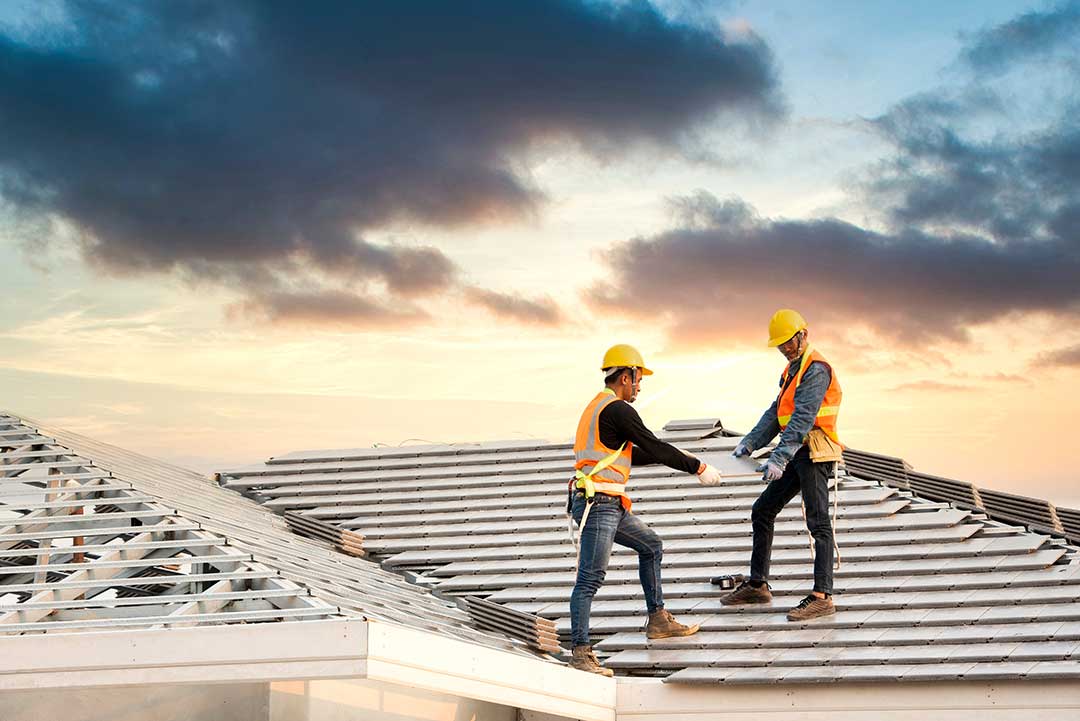
These conditions can also result from installation problems, aging shingles, poor ventilation, or underlayment issues. A distorted appearance does not prove that the decking is damaged, but it is a reason to examine the roof system more closely.
Heavy snow can make a weak area more noticeable, particularly where snow accumulates unevenly. Ice dams can also direct meltwater beneath shingles and toward roof edges, where repeated wetting may affect the decking near the eaves.
Which roof areas are most vulnerable?
Certain locations deserve closer attention because they receive more water or experience more complex drainage conditions:
Roof valleys: Water and melting snow from two roof planes collect here. Faulty flashing or damaged underlayment can expose the decking to repeated moisture.
Eaves and edges: Ice dams, clogged drainage paths, and wind-driven rain can affect the lower edge of the roof. Decking near the gutter line is especially vulnerable to long-term wetting.
Chimneys and wall intersections: Flashing failures can allow water to enter around masonry, siding transitions, and roof-to-wall joints.
Skylights and vents: These openings depend on properly installed flashing. A small leak may continue unnoticed until nearby decking softens.
Areas beneath trees: Shade slows drying, while falling branches, leaves, and accumulated debris can keep roof materials damp.
Is soft decking always a reason for replacement?
Soft decking usually indicates that the wood has lost some of its structural strength, but the affected area may be limited. In some cases, only a section around a leak requires removal. In other cases, widespread staining or multiple soft areas indicate a larger moisture or ventilation problem.
Painting, sealing, or covering damaged decking without addressing the source of moisture does not restore its strength. Likewise, replacing shingles alone may leave weakened wood underneath.
The condition of the decking should be considered along with the age of the roof covering, the location of the damage, the extent of moisture exposure, and whether the framing below remains sound.
When is roof decking an urgent safety concern?
Prompt attention is warranted when the roof visibly sags, the attic floor or roof surface feels unstable, water is entering near electrical equipment, or a ceiling is bulging from trapped water. Stay clear of areas that may collapse and avoid entering an attic during active leaking, severe weather, or suspected structural movement.
A roof that has been struck by a large branch, exposed to significant ice buildup, or affected by prolonged water intrusion may have hidden damage. Structural concerns are not suitable for trial-and-error repairs from the roof surface.
How can decking problems be reduced?
Regular observation helps limit damage. After major storms, heavy snow, or periods of ice buildup, check accessible attic areas for dampness and inspect ceilings for new stains. Keep attic insulation from blocking soffit ventilation, and watch for persistent condensation or frost on the underside of the roof during cold weather.
Gutters and drainage paths should remain clear enough to move water away from roof edges. Tree branches that rub against shingles or drop debris onto the roof can also shorten the life of the roof assembly.
The most useful question is not simply whether a roof has a leak. It is whether moisture has reached the decking, how long it may have been present, and whether the wood still provides a stable surface for the roof above it.
