
What is a roof valley?
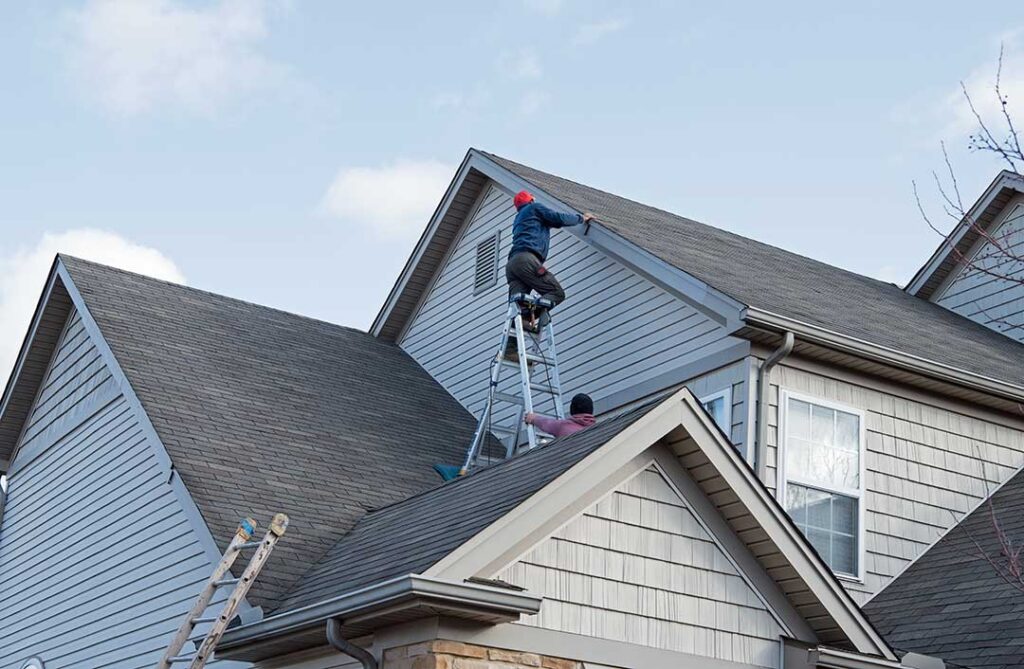
A roof valley is the inside angle where two sloping roof sections meet. It collects water from both roof planes and directs that water into a gutter, downspout, or lower roof section.
Because valleys handle more runoff than many other parts of a roof, they can deteriorate sooner than nearby shingles. Problems may begin beneath the visible surface, so regular observation is useful even when the roof looks acceptable from the ground.
In Ithaca, NY, valleys also face repeated cycles of rain, snow, ice, freezing temperatures, and thawing. Leaves, needles, and windblown debris can collect in these low channels, slowing drainage and keeping roofing materials damp.
What are the most visible signs of a failing valley?
The clearest warning signs are damaged shingles, exposed underlayment, rusted metal, staining, and water marks near the valley. Some signs appear outside, while others show up in the attic or on ceilings.
Look for:
- Shingles that are cracked, curled, lifted, missing, or worn unusually thin along the valley
- Dark lines or broad stains below the valley on the roof surface
- Exposed nails, underlayment, or roof decking
- Rust, holes, open seams, or displaced sections of valley flashing
- Granules collecting heavily in gutters below the valley
- Sagging materials or visible dips where the two roof slopes meet
- Moss or algae growing in a concentrated strip around the drainage path
- Water stains on ceilings or upper walls near the roof intersection
A small amount of discoloration does not always prove an active leak. However, a repeated stain, soft ceiling material, peeling paint, or damp insulation suggests that moisture has entered the building and should not be ignored.
How can valley damage be checked safely from the ground?
A ground-level inspection can reveal many early warning signs without requiring anyone to climb onto the roof. Use a clear day with good visibility, and inspect from several angles.
Binoculars can help show whether shingles are missing or whether metal flashing is bent. Pay attention to the lower end of the valley, where water accelerates and where debris often accumulates. Also examine the roof edge below the valley for overflowing water marks, damaged fascia, or staining.
After rain, check whether water exits the valley cleanly. Water spilling over the sides, running behind gutters, or forming a concentrated stream against siding may indicate blocked drainage or an improperly directed discharge.
Do not walk on a roof that is wet, icy, steep, fragile, or covered with moss. Snow-covered roofs can hide open seams and weak areas, while frost can make an apparently manageable surface dangerously slippery.
What should residents look for in the attic?
The attic often reveals valley leaks before indoor damage becomes obvious. Inspect during daylight hours with a flashlight, but avoid stepping between ceiling joists unless a stable walking surface is present.
Check the underside of the roof decking near the valley for:
- Darkened wood or water trails
- Damp or compressed insulation
- Mold-like spotting or persistent musty odors
- Rusted fasteners
- Peeling wood fibers
- Fresh droplets or wet areas after rain
Water does not always appear directly below the point where it entered. It can travel along rafters, roof sheathing, insulation, or framing before reaching a ceiling. A stain several feet away from the valley may still be connected to valley drainage.
Leaks that appear only during wind-driven rain, heavy snowmelt, or freeze-thaw weather can be especially difficult to identify. Dry conditions do not necessarily mean the roof is watertight.
How do snow and ice affect roof valleys?
Snow and ice can expose weaknesses in roof valleys, particularly where drainage is restricted. Valleys naturally receive runoff from two roof planes, so melting snow may move through them in large volumes.
Ice can form when upper roof areas warm during the day and meltwater refreezes near colder eaves or shaded sections. This may create a temporary dam that forces water beneath shingles or around flashing. Repeated freezing and thawing can also widen small cracks and loosen materials.
Warning signs after winter weather include:
- Icicles concentrated below one valley
- Ice buildup that extends upward into the valley
- Water stains that first appear during thawing
- Shingles displaced after snow or ice slides
- Gutter sections pulling away below a drainage path
- Repeated leaks during warm afternoons after freezing nights

Do not chop ice with a tool or climb onto an icy roof. Falling ice can injure people and damage windows, vehicles, landscaping, and gutters.
Can debris cause a valley to fail?
Yes. Leaves, pine needles, small branches, and windblown litter can block water flow and keep roofing materials wet. Debris may also hide cracked shingles or prevent a clear view of the flashing.
A valley does not have to be completely blocked to develop a problem. Even a narrow strip of accumulated material can slow drainage enough for water to back up during a heavy storm.
Trees near a home make seasonal inspection particularly useful. After autumn leaf fall and after major wind events, check whether debris has collected in roof channels. Removing loose debris from a safe location may help, but scraping or pulling at shingles can cause additional damage.
What are common misconceptions about roof valleys?
One misconception is that a valley leak always produces a ceiling stain directly underneath it. Water often travels before entering the living space, so the visible damage may be offset from the roof defect.
Another is that metal flashing must be visibly rusted or broken before a valley becomes a problem. Flashing can leak at laps, fasteners, edges, or seals while appearing mostly intact from the ground.
It is also easy to assume that new-looking shingles mean the valley is sound. The valley may contain separate flashing, underlayment, or installation details that age differently from the rest of the roof.
Moss is not automatically proof of a leak, but thick growth can hold moisture against roofing materials and obscure damage. It deserves attention when it is concentrated in a valley or associated with loose, brittle, or deteriorated shingles.
When does a valley problem require prompt attention?
Prompt attention is warranted when water is entering the home, the roof deck is sagging, electrical fixtures are near a leak, or a large section of flashing or roofing has become displaced.
Treat these conditions as urgent:
- Active dripping during rain or thawing
- A bulging ceiling or wet electrical area
- Soft or collapsing roof decking
- A large opening visible in the valley
- Shingles blown away after a storm
- Water entering near an attic electrical component
- A strong musty odor accompanied by damp insulation
If a ceiling is bulging from trapped water, keep clear of the area and avoid touching nearby electrical fixtures. Roof access during storms, ice, or high winds creates unnecessary danger and may make the damage worse.
A valley that is noticed early may show only localized wear. Once water reaches the decking, insulation, framing, or interior finishes, the repair becomes more extensive. Regular visual checks—especially after heavy rain, wind, leaf fall, and winter thawing—are a practical way for local households to spot changes before a minor drainage issue becomes hidden structural damage.
