
What does the roofing process involve?
The roofing process usually includes inspection, planning, material delivery, preparation, removal of existing roofing, installation, cleanup, and final review. Each stage affects how well the finished roof handles rain, snow, ice, wind, and seasonal temperature changes.
For homeowners in Ithaca, roof work often needs to account for repeated freeze-thaw cycles, heavy winter precipitation, spring rain, summer heat, and tree debris. A roof is not just a visible layer of shingles. It is a system made up of several materials that work together to keep water out and allow the building to release moisture.
How is a roof evaluated before work begins?
The first step is a condition assessment. A careful evaluation looks at both the roof surface and the underlying components that can be seen from accessible areas.
Common inspection points include:
- Missing, cracked, curled, or damaged shingles
- Exposed fasteners or areas where roofing material has lifted
- Sagging roof lines or soft decking
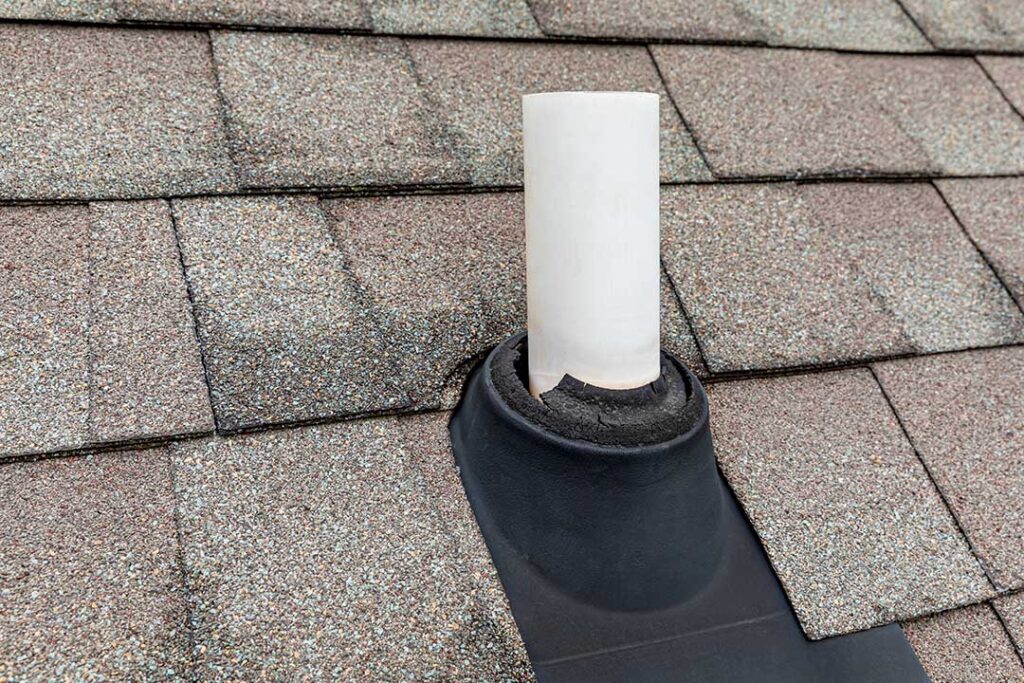
- Damaged flashing around chimneys, vents, skylights, and wall intersections
- Worn pipe boots and other roof penetrations
- Blocked or poorly draining gutters
- Moss, algae, or organic debris
- Signs of water entry in attics, ceilings, and upper-floor rooms
A roof can appear acceptable from the ground while still having problems around valleys, flashing, or penetrations. Interior evidence, such as stained sheathing, damp insulation, peeling paint, or a musty attic smell, may reveal leaks that are not visible outside.
Age is also considered, but it does not determine roof condition by itself. Installation quality, ventilation, shading, storm exposure, maintenance, and the type of roofing material all influence service life.
How is the roofing project planned?
Planning determines the scope of work and helps prevent surprises after the old roof is removed. The process should identify whether the project involves a repair, partial replacement, or complete replacement.
Important planning questions include:
- Is the roof deck structurally sound?
- Will existing roofing be removed or covered?
- Are the gutters, fascia, soffits, or chimney areas affected?
- Are ventilation improvements needed?
- Are there nearby trees, steep slopes, porches, or tight access areas?
- How will rain or snow be managed if weather changes during the work?
- Are permits or inspections required for the specific project?
Roofing materials also need to match the building and its conditions. Asphalt shingles are common, but homes may also have metal roofing, slate, wood, or membrane materials on low-slope sections. A material that works well on one roof may be unsuitable for another because of slope, weight, drainage, or installation requirements.
What happens before the old roofing is removed?
Preparation protects the property and creates a safe work area. Outdoor items near the walls may need to be moved or covered. Attic belongings can be covered because vibration from removal may loosen dust and small debris.
The work area should also be evaluated for:
- Safe ladder and roof access
- Protection of doors, windows, siding, landscaping, and paved surfaces
- Temporary storage of materials
- Placement of debris containers
- Weather conditions and overnight protection
- Safe handling of nails and sharp waste
Roof work can create noise and vibration, especially during tear-off. Residents may notice movement of small objects on walls or ceilings. Fragile items should be secured before work begins.
Why is removal of the old roof important?
Removing the existing roofing allows the deck and water-control layers to be inspected. Covering a damaged roof may hide problems and add unnecessary weight.
After removal, the roof deck is checked for rot, delamination, loose panels, staining, or areas weakened by long-term moisture. Damaged sections may need to be replaced before new roofing is installed. This is one reason the final scope cannot always be known from an exterior inspection alone.
Old flashing may also be removed during this stage. Reusing worn flashing around chimneys, walls, valleys, and penetrations can create leaks even when the new shingles are installed correctly.
What layers make up a roof?
A typical sloped roof contains several layers, each with a separate function.
The roof deck provides the structural surface. Underlayment is placed above the deck to provide an additional moisture barrier beneath the outer roofing. At the lower edge, an ice-barrier material may be used where local conditions and the roof design call for it.
Flashing directs water away from vulnerable areas. It is commonly found around:
- Chimneys
- Skylights
- Plumbing vents
- Roof-to-wall transitions
- Valleys
- Eaves and roof edges
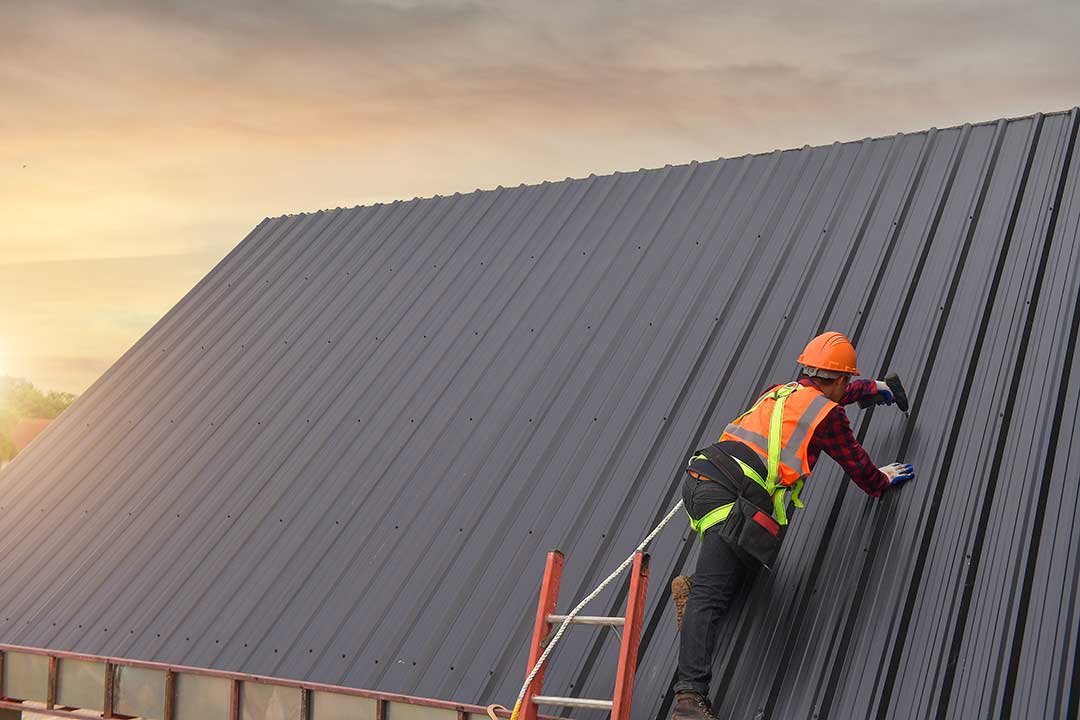
The outer roofing material sheds most rainfall and snow. Shingles or panels are installed in overlapping courses so water flows downward rather than into joints.
Ventilation is another part of the system. Intake vents near the lower roof edge and exhaust vents near the upper roof help move air through the attic. Proper ventilation can reduce heat and moisture buildup, but vents must be balanced and should not allow wind-driven rain or snow to enter.
How is the new roofing installed?
Installation generally begins at the roof edges and proceeds upward in overlapping rows. Edge materials help direct water into the gutters or away from the building. Underlayment and flashing are installed in an order that allows upper layers to shed water over lower layers.
Fasteners must be placed in the correct locations and driven properly. Overdriven fasteners can damage roofing material, while underdriven or misplaced fasteners may allow movement or leakage. Valleys, ridges, roof penetrations, and transitions require particular attention because they receive concentrated water flow or experience movement from temperature changes.
Cold weather creates additional considerations. Some roofing products rely on sunlight and warmth to seal fully, while very cold temperatures can make certain materials less flexible. Snow, frost, and wet surfaces can also create safety hazards and interfere with proper installation.
What happens after installation?
A final review checks the roof surface, edges, flashing, penetrations, valleys, and ventilation details. Loose debris, excess materials, and exposed fasteners should be removed from the roof and surrounding property.
Cleanup should include a careful check of walkways, driveways, planting areas, and places where roofing nails may have fallen. Gutters and downspouts should be checked for debris that could restrict drainage.
Homeowners should also look in the attic after the first significant rainfall. Signs of trouble may include damp insulation, fresh staining, daylight where none should be visible, or moisture around vents and roof intersections. A new roof should not produce a new leak, but early observation can help identify installation or flashing issues before hidden damage develops.
How should a roof be maintained afterward?
Regular observation helps extend the life of a roof. In Ithaca, leaves, small branches, ice, snow, and moss can collect in shaded areas or interfere with drainage.
Useful maintenance habits include:
- Keep gutters and downspouts clear
- Trim branches that rub against roofing or drop heavy debris
- Look for damaged materials after strong wind
- Check attic ventilation and signs of moisture
- Watch for loose flashing, exposed nails, or lifted edges
- Avoid walking on the roof unless the surface and conditions are safe
- Remove snow only with methods that do not damage the roofing
Moss should not be scraped aggressively from shingles because this can remove protective granules. Ice dams should also be treated as a drainage and heat-loss problem rather than simply chipped away. Removing ice with sharp tools can damage roofing materials and flashing.
When does roofing require specialized attention?
Some conditions make roof work especially hazardous or technically complex. These include steep slopes, unstable decking, active leaks near electrical equipment, extensive structural sagging, chimney deterioration, and roofs covered with deep snow or ice.
Older homes may also contain several generations of roofing materials or unusual construction details. Low-slope additions, enclosed porches, and transitions between older and newer sections may drain differently from the main roof.
Understanding the sequence of roofing work helps residents evaluate what is happening above their homes. The visible shingles are only the final part of a larger system involving structure, drainage, weather protection, ventilation, and ongoing maintenance.
