
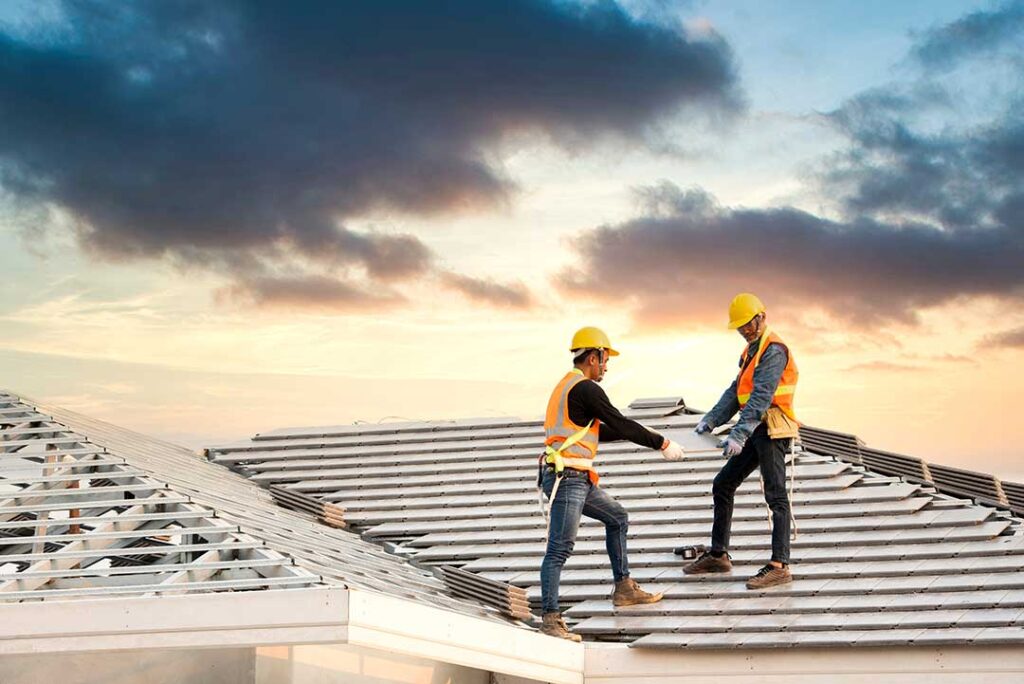
Cool roofs are designed to reflect more sunlight and release absorbed heat more effectively than conventional roofing materials. For households in Ithaca, NY, that can mean a cooler upper floor during sunny summer weather, less strain on air-conditioning equipment, and a roof surface that experiences less heat stress.
The benefits are real, but they depend on roof design, insulation, ventilation, shading, and how much cooling a building actually uses. A cool roof is not automatically the best choice for every home, especially in a climate with cold winters and snow.
What is a cool roof?
A cool roof has a surface that reflects a relatively large portion of the sun’s energy and emits absorbed heat efficiently. Reflective roofing can be made from specially designed shingles, coated metal, membranes, tiles, or roof coatings.
Roof color can provide a general clue, but color alone does not tell the full story. Two roofs with a similar appearance may perform differently because of differences in surface coatings, material composition, texture, and thermal emittance.
A traditional dark roof can become much hotter than the surrounding air on a sunny summer afternoon. Some of that heat moves through the roof assembly and into the attic or upper living areas. A reflective roof reduces the amount of solar heat entering that system.
Can a cool roof reduce indoor summer temperatures?
Yes, particularly in homes with limited air conditioning, older insulation, finished attic spaces, or rooms directly below the roof. By absorbing less solar heat, the roof can reduce heat transfer into the attic and upper floors.
The effect is usually most noticeable during:
- Sunny, hot afternoons
- Extended summer heat waves
- Periods with little shade over the roof
- Warm nights when the roof has stored heat during the day
- Conditions where attic insulation or air sealing is less effective
A cool roof will not eliminate indoor heat gain. Windows, walls, air leakage, appliances, and ventilation also affect indoor temperature. In a well-insulated home with substantial tree shade and efficient cooling equipment, the difference may be modest.
Does a cool roof lower energy use?
A cool roof can reduce the amount of electricity needed for air conditioning by lowering heat gain through the roof. The savings are generally greater in buildings with high cooling demand and weaker insulation.
In Ithaca, the annual energy benefit may be smaller than it would be in a much hotter climate because summers are relatively moderate and many homes rely less heavily on air conditioning. Even so, hotter stretches of summer can create meaningful short-term benefits, especially in upper-floor rooms.
The roof should be considered as part of a larger energy system. Air sealing, adequate attic insulation, properly sized cooling equipment, window shading, and ventilation may have equal or greater effects depending on the building’s condition.
Is there a winter heating penalty?
Potentially. Because a cool roof reflects more sunlight, it can allow less solar heat to reach the building during winter. This is sometimes called the heating penalty.
In a cold-weather community, that issue deserves consideration. However, several factors limit the effect:
- Winter days are shorter and the sun is lower in the sky.
- Snow cover can reflect sunlight regardless of the roof’s original color.
- Good insulation reduces heat transfer in both summer and winter.
- A roof’s orientation and shading affect how much sunlight it receives.
- Heating and cooling costs depend on the building’s equipment and occupancy habits.
For many buildings, summer cooling savings can offset the winter penalty, but the balance is not identical for every home. A heavily shaded house with little air conditioning may gain less from a cool roof than a sunny home with a hot finished attic.
Can cool roofs help roofing materials last longer?
They may reduce heat-related stress by keeping the roof surface cooler during strong sunlight. Repeated heating and cooling can cause some materials to expand and contract, and high surface temperatures can accelerate aging in certain roofing systems.
That does not mean a cool roof will never wear out or that reflectivity guarantees a longer service life. Roof longevity also depends on moisture control, installation quality, ventilation, wind, snow and ice exposure, foot traffic, debris, and the underlying deck.
In this region, winter conditions create additional concerns. Freeze-thaw cycles, drifting snow, ice dams, trapped moisture, and blocked drainage can affect roof performance independently of surface temperature.
What types of roofs can be cool roofs?
Cool-roof features are available in several roofing categories:
- Reflective asphalt shingles: Some shingles are manufactured with reflective granules and may be available in lighter or specially formulated colors.
- Coated metal roofing: Metal can be finished with coatings that reflect sunlight while providing a durable surface.
- Low-slope membranes: White or light-colored membranes are commonly used on low-slope roofs where conventional shingles are not appropriate.
- Roof coatings: Certain coatings can improve reflectivity on compatible roof surfaces, but they must be suited to the existing material and roof condition.
- Tile or other specialty materials: Some products are naturally reflective or can be finished to increase solar reflectance.
The correct material depends on roof slope, drainage, existing layers, snow exposure, flashing, ventilation, and the condition of the roof deck. A reflective product is not a substitute for a sound roofing system.
Does a cool roof prevent ice dams?
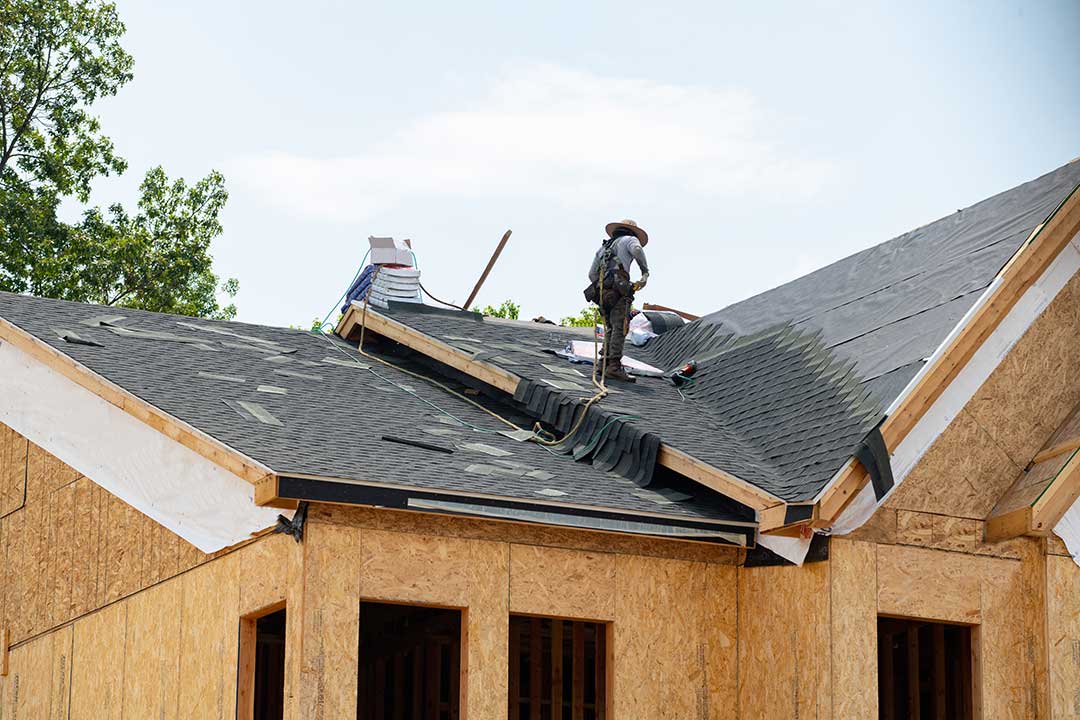
No. A cool roof may reduce some solar heating, but it does not solve the main causes of ice dams.
Ice dams usually develop when heat escapes from the living space into a cold attic, warms portions of the roof, melts snow, and allows water to refreeze near colder eaves. Uneven insulation, air leakage, inadequate ventilation, roof geometry, snow accumulation, and weather patterns all play a role.
A roof can be reflective and still develop ice dams if warm air is entering the attic. Preventing or reducing ice dams generally requires attention to the entire attic and roof assembly, not just the surface color.
Are cool roofs suitable for older homes?
They can be, but the roof assembly should be evaluated as a whole. Older houses may have limited attic insulation, unusual framing, multiple roofing layers, enclosed soffits, or ventilation arrangements that differ from modern construction.
Before choosing a reflective material, useful questions include:
- Is the roof deck dry and structurally sound?
- Is attic insulation evenly distributed?
- Are air leaks from the living space sealed?
- Can the attic release moisture and heat properly?
- Will the selected material handle snow, ice, wind, and roof pitch?
- Is the roof already near the end of its service life?
If the roof needs replacement, comparing reflective options at that time may be more practical than changing a serviceable roof solely for energy reasons.
What are the main benefits beyond energy savings?
Cool roofs can provide several secondary benefits:
- More comfortable upper-floor rooms during hot weather
- Lower peak demand for air conditioning
- Reduced heat transfer into attic spaces
- Less contribution to localized heat buildup in developed areas
- Potentially lower heat-related stress on some roofing materials
- Reduced emissions when lower electricity use results in less energy generation
The community-wide effect is usually more noticeable where many large roofs are close together. For an individual household, comfort and cooling demand are often the most relevant benefits.
What should Ithaca homeowners keep in mind?
A cool roof is most useful when it matches the building and the local climate. In this area, decisions should account for both sunny summer afternoons and long periods of cold, snow, and moisture.
Reflectivity is only one part of roof performance. Proper insulation, air sealing, drainage, flashing, ventilation, material durability, and careful detailing remain essential. A light-colored roof with poor moisture control can perform worse overall than a well-designed conventional roof.
The practical question is not simply whether a roof is light or dark. It is whether the complete roofing system can manage heat, water, snow, ventilation, and seasonal temperature changes reliably.
