
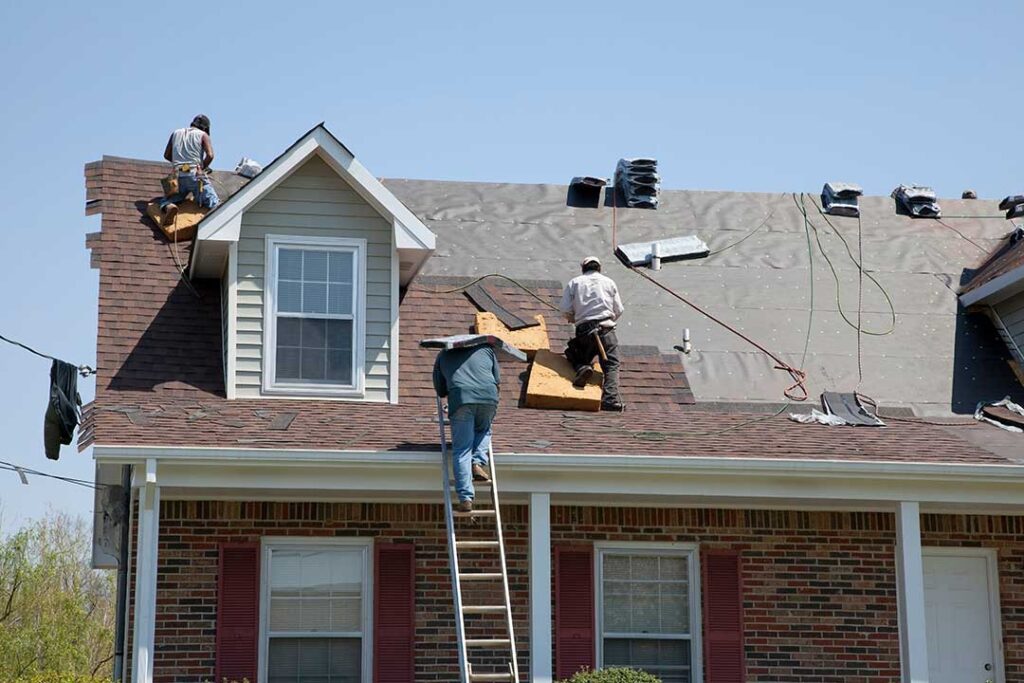
A roof can look new and still have installation problems that shorten its life or allow water into the building. In Ithaca, NY, repeated freeze-thaw cycles, heavy rain, snow, ice, wind, and shaded roof areas can expose small workmanship defects quickly.
Poor installation is not always obvious from the ground. Some warning signs appear on the roof surface, while others show up in the attic, ceilings, walls, or energy bills.
What are the clearest signs of poor roof installation?
The most reliable clues include uneven shingle lines, exposed fasteners, missing flashing, inadequate ventilation, loose materials, and water damage that appears soon after the roof is installed.
A single cosmetic imperfection does not always mean the entire roof was installed incorrectly. However, several problems occurring together may indicate that the installation did not follow proper roofing practices.
Look for:
- Shingles that appear wavy, buckled, crooked, or unevenly spaced
- Shingle edges that do not line up consistently
- Roofing nails visible where they should be covered
- Loose or lifted shingles
- Exposed underlayment or roof decking
- Flashing that is missing, bent, poorly sealed, or installed over old materials
- Gaps around chimneys, plumbing vents, skylights, or roof valleys
- Gutters filled with excessive roofing granules soon after installation
- Attic moisture, stained wood, or daylight visible through the roof
- Interior leaks that begin after the replacement
The age of the roof matters. Some surface changes result from weathering over time, but defects visible within the first few seasons deserve closer attention.
How can shingles reveal installation mistakes?
Shingles should form relatively straight courses with consistent exposure. A roof may have minor visual variation, but pronounced waviness, sagging, or irregular lines can point to problems beneath the shingles.
Possible causes include:
- Uneven or damp roof decking
- Inadequate fastening
- Shingles installed over an unsuitable surface
- Improper alignment
- Installation in conditions that were too cold for the adhesive strips to bond
- Failure to account for roof movement during temperature changes
Shingles also need enough fasteners in the correct locations. Nails driven too high may not properly secure the shingle. Nails driven too low can remain exposed and create a path for water. Overdriven fasteners can damage the shingle, while underdriven fasteners may leave the material loose.
In a cold, snowy climate, loose shingles can be lifted by wind or stressed by ice. A roof that looks acceptable in mild weather may show installation weaknesses after its first winter.
Why is flashing so important?
Flashing directs water away from seams, joints, walls, and penetrations. Poorly installed flashing is one of the most common causes of roof leaks.
Flashing is usually needed around:
- Chimneys
- Plumbing vent pipes
- Skylights
- Roof-to-wall intersections
- Valleys where two roof sections meet
- Dormers and other raised sections
- Edges around roof openings
A frequent mistake is relying only on roofing cement or caulk instead of using properly shaped metal or compatible flashing materials. Sealants can deteriorate, separate, or crack as the roof expands and contracts.
Flashing should also be integrated with the surrounding shingles rather than simply placed on top of them. If water stains appear near a chimney or wall after rain, the source may be a flashing detail rather than a damaged shingle field.
Can poor ventilation indicate an installation problem?
Yes. A roof ventilation system that is blocked, missing, or poorly balanced can contribute to moisture buildup and shorten shingle life.
Most roof assemblies need a way for air to enter near the lower roof edges and exit near the upper portions. If intake ventilation is blocked by insulation, or exhaust ventilation is installed without enough intake air, the attic may not ventilate properly.
Warning signs include:
- Frost or condensation on attic nails during cold weather
- Musty odors
- Damp insulation
- Mold-like staining on roof framing
- Peeling paint or persistent ceiling discoloration
- Unusually hot attic temperatures in summer
- Shingles aging faster than expected

Ventilation problems can be confused with roof leaks. Moisture may form inside the attic even when the roof surface is intact. A careful inspection should distinguish between rainwater entering from above and indoor moisture condensing below the roof deck.
What does poor installation look like around roof edges and valleys?
Edges and valleys handle a large amount of runoff, so installation mistakes in these areas can cause leaks even when the main roof surface looks good.
At the eaves, improperly installed drip edge may allow water to run behind gutters or onto fascia boards. If the drip edge is missing, misaligned, or placed incorrectly relative to the underlayment, wood at the roof perimeter may begin to rot.
Valleys should be covered and shingled in a way that keeps water moving freely. Warning signs include:
- Exposed gaps between shingles
- Shingle corners cut inconsistently
- Roofing nails placed too close to the valley
- Debris collecting where water should drain
- Rusted or damaged valley metal
- Repeated leaks during heavy rain
Ice can make edge problems more serious. When snow melts and refreezes near the roof edge, water may back up beneath shingles if drainage and protective layers were not installed correctly.
What interior clues suggest a roofing installation defect?
Interior evidence is often the first sign that something is wrong. Water stains, peeling paint, and damp insulation should not be dismissed simply because they appear small.
Check the attic and upper floors for:
- Brown or yellow ceiling stains
- Damp roof decking
- Water marks on rafters or trusses
- Rust around roofing nails
- Wet insulation
- Sagging drywall
- A musty smell after rain
- Drips near vents, chimneys, or exterior walls
The location of an interior stain may not match the exact leak location. Water can travel along roof decking, framing, insulation, or drywall before becoming visible. For that reason, painting over a stain does not confirm that the problem has been solved.
Are roof leaks always caused by poor installation?
No. Leaks can also result from storm damage, aging materials, clogged drainage, animal activity, ice movement, or later work performed on the roof.
A newly installed roof may also leak because an older chimney, wall, skylight, or ventilation component was not properly addressed during the project. Determining responsibility requires looking at the complete roof assembly rather than assuming every leak comes from a defective shingle.
Records can help. Keep photographs taken before and after installation, written descriptions of visible defects, dates of leaks, and notes about weather conditions. This information can clarify whether a problem is isolated, recurring, or connected to a particular roof detail.
When does a roof problem require prompt attention?
Visible sagging, active leaks, exposed decking, large areas of lifted shingles, and electrical fixtures affected by water should be treated as urgent safety concerns. Water near wiring can create hazards, and a weakened roof surface may become more dangerous under snow or wind loads.
Avoid walking on steep, wet, icy, or damaged roofing. From the ground, binoculars can help identify irregular shingles, missing flashing, or sagging without creating additional risk.
For residents dealing with a recent installation, the most useful approach is a documented inspection that examines the shingles, fasteners, underlayment, flashing, ventilation, roof edges, valleys, attic, and interior damage together. Looking at only the visible shingles may miss the installation detail responsible for the problem.
