
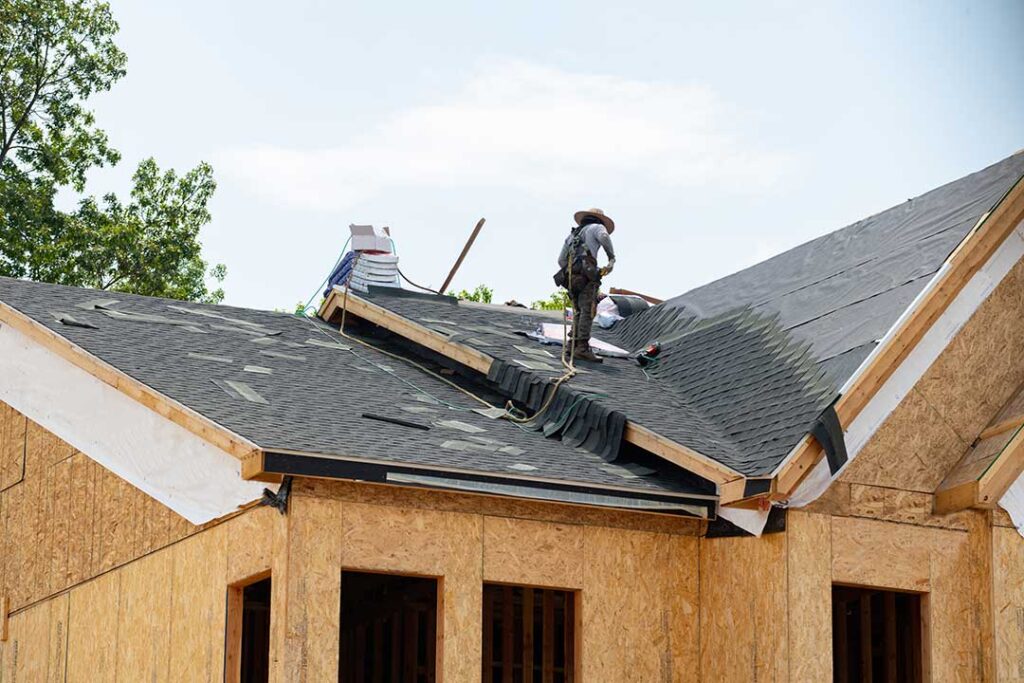
Strong wind can damage a roof without leaving an obvious hole. Shingles may loosen, flashing can lift, vents may shift, and water can enter during the next rainstorm. For homeowners in Ithaca, NY, wind damage often occurs alongside thunderstorms, falling branches, freeze-thaw cycles, and aging roofing materials.
Understanding how wind affects different parts of a roof makes it easier to recognize problems before they become interior leaks or structural damage.
What does severe wind do to a roof?
Severe wind creates both sideways pressure and upward lifting forces. The strongest effects usually occur at roof edges, corners, ridges, eaves, and around roof penetrations such as chimneys, plumbing vents, and skylights.
Wind may cause:
- Shingles to curl, crack, crease, or blow away
- Exposed fasteners to loosen
- Metal flashing to bend or separate
- Ridge caps to lift
- Fascia, soffits, and gutters to pull away
- Tree limbs or other debris to puncture the roof covering
- Water to enter beneath partially detached materials
A roof does not need to lose an entire section to suffer meaningful damage. A single lifted shingle can expose the underlayment or roof deck to repeated wetting.
Why are roof edges and corners especially vulnerable?
Wind pressure is often greatest along the perimeter of a roof. At corners and edges, air can move over and around the building in ways that increase uplift. This is why wind damage commonly appears at the first and last rows of shingles, along rake edges, and near gable ends.
Roof overhangs can also experience strong upward forces. If the connections between the roof framing, walls, and foundation are weak or deteriorated, severe wind may affect more than the shingles. Older homes, additions, detached garages, and structures with previous alterations can have different levels of wind resistance.
New York building requirements include provisions for roof-covering wind resistance and structural connections. However, code compliance at the time of construction does not guarantee that every roof component remains in good condition decades later. Corrosion, moisture damage, remodeling, and repeated weather exposure can weaken those connections.
Which roofing materials are most affected?
Asphalt shingles are common in the area and may show wind damage through lifted tabs, missing granules, creases, or broken seal strips. A shingle can look mostly intact while no longer being securely bonded to the course below it.
Metal roofing can resist wind well when properly fastened, but loose panels, failed fasteners, damaged seams, and lifted trim can allow water beneath the system. Wind may also deform lighter metal components around chimneys and roof edges.
Slate, tile, and wood roofing materials can crack, split, or become displaced. Their weight does not make them immune to wind. Once one piece moves, nearby sections may become more exposed.
Flat or low-slope roofs may not lose visible pieces in the same way as steep-slope roofs. Instead, wind can affect membrane edges, flashing, coping, drainage components, or rooftop equipment. Ponding water after a storm may reveal a problem that began with wind-related movement.
Can a roof be damaged even if no shingles are missing?
Yes. Missing shingles are only one possible sign of wind damage. A roof may have hidden or less obvious problems, including:
- Lifted shingle edges that reseal poorly
- Torn underlayment beneath intact shingles
- Cracked pipe-boot flashing
- Bent drip edge or step flashing
- Loose ridge vents
- Small punctures from airborne debris
- Roof-deck movement around fasteners
- Water entry at a wall or chimney intersection
Wind-driven rain can travel beneath roofing materials, especially where a flashing detail has shifted. Interior signs may not appear until hours or days later.
After a major storm, check ceilings, attic insulation, upper walls, and areas around chimneys or roof penetrations for dampness. A musty odor or a new water stain may indicate a leak even if the roof surface looks normal from the ground.
How do trees and airborne debris increase roof damage?
Trees are a major source of storm-related roof damage. Falling limbs can puncture shingles, break roof decking, damage gutters, and strike chimneys. Smaller branches and loose objects can scrape surfaces or damage flashing.
The risk is not limited to trees directly beside a house. Wind can carry branches, siding pieces, outdoor furniture, and other materials across a property. In neighborhoods with mature trees, storm preparation should include checking for dead limbs, weak branches, and objects that could become airborne.
Do not climb onto a roof to inspect damage during or immediately after high winds. Wet surfaces, unstable shingles, exposed nails, and damaged electrical equipment create serious hazards. A fallen tree may also place weight on the roof structure or nearby utility lines.
What should residents inspect after a windstorm?
A ground-level inspection can identify many warning signs without creating additional risk. Look for:
- Shingles or roofing pieces in the yard
- Uneven lines along the roof edge
- Missing or lifted ridge caps
- Gaps around vents, chimneys, or skylights
- Detached gutters, downspouts, soffits, or fascia
- Granules collected near downspouts
- Broken branches on or near the roof
- New stains on ceilings or walls
- Daylight visible through the attic roof deck
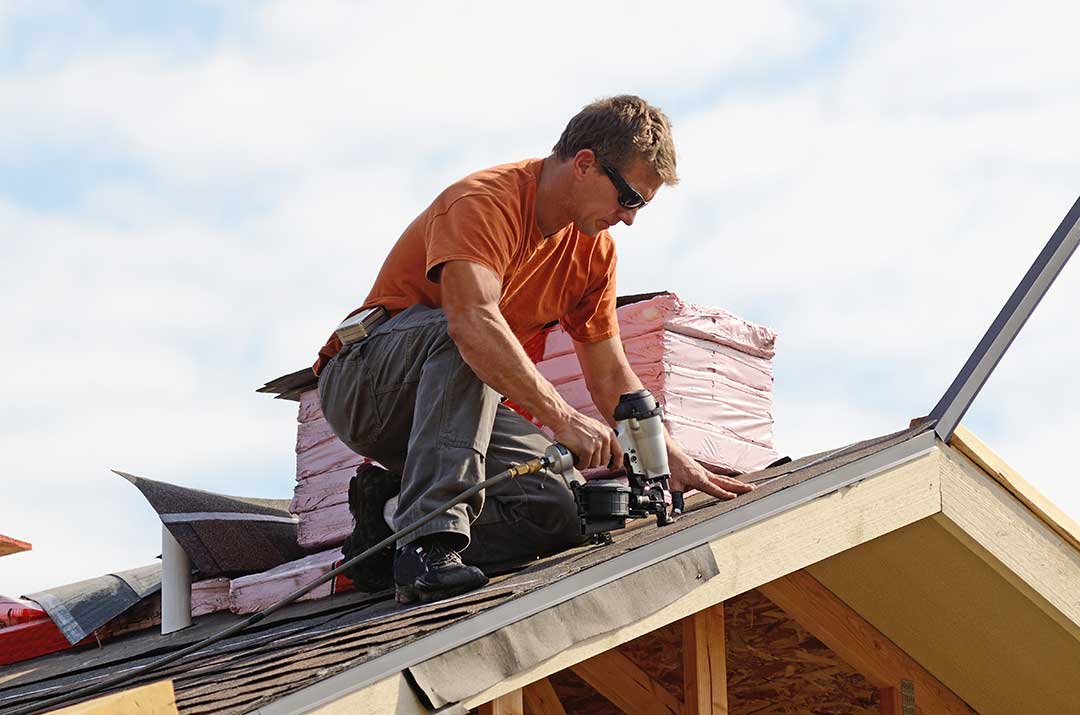
Photographs taken from the ground can help document changes. If water is actively entering, place containers beneath drips and move belongings away from the affected area. Avoid puncturing or walking on the roof to make temporary repairs.
When structural damage, exposed decking, electrical hazards, or a fallen tree is involved, a qualified roofing or building professional may be necessary for a safe inspection. Emergency conditions should be handled before cosmetic concerns.
How does Ithaca weather contribute to long-term wind damage?
Wind damage often develops through repeated seasonal stress rather than one dramatic event. Thunderstorms can produce abrupt gusts, while winter weather brings ice, snow, and freeze-thaw movement. Moisture that reaches vulnerable edges may freeze and expand, making small separations worse.
The surrounding hills, wooded properties, older housing stock, and varied roof designs create different exposure conditions from one property to another. A home with an open roofline may experience different wind forces than one sheltered by nearby buildings or trees. Exposure can also change after tree removal or a major neighborhood construction project.
A roof that has already aged, lost flexibility, or developed brittle seal strips is generally less tolerant of sudden gusts. Regular visual checks are especially useful before the spring and fall storm seasons and after any event involving strong wind or falling branches.
Does insurance cover wind damage?
Wind damage may be covered under a homeowners insurance policy, but coverage depends on the policy language, exclusions, deductible, maintenance history, and the cause of damage. Gradual deterioration is usually treated differently from sudden storm damage.
Keep records of the roof’s condition, repairs, and storm-related observations. Do not discard damaged materials before documentation is complete unless they create an immediate hazard. Policyholders should review their own policy and follow its reporting requirements.
A practical distinction is this: wind can cause sudden physical damage, but an insurer may question damage that appears to result from long-term wear, poor maintenance, or an older unresolved leak. Clear photographs and timely documentation can help establish what changed after the storm.
How can wind resistance be improved?
Wind performance depends on the complete roof system, not just the visible shingles. Important factors include secure roof-deck attachment, properly installed edge metal, sound flashing, sealed penetrations, adequate roof-to-wall connections, and correct fastening patterns.
Useful preventive steps include:
- Keep gutters and roof drainage paths clear
- Replace cracked or deteriorated flashing
- Secure loose exterior items before forecasted storms
- Trim dead or structurally weak branches
- Inspect roof edges and penetrations periodically
- Address small leaks before winter freeze-thaw cycles
- Avoid adding rooftop equipment without considering structural and wind loads
A well-maintained roof may still be damaged by exceptional winds, but prompt inspection and attention to vulnerable details can reduce the chance that a small failure becomes widespread water damage.
