
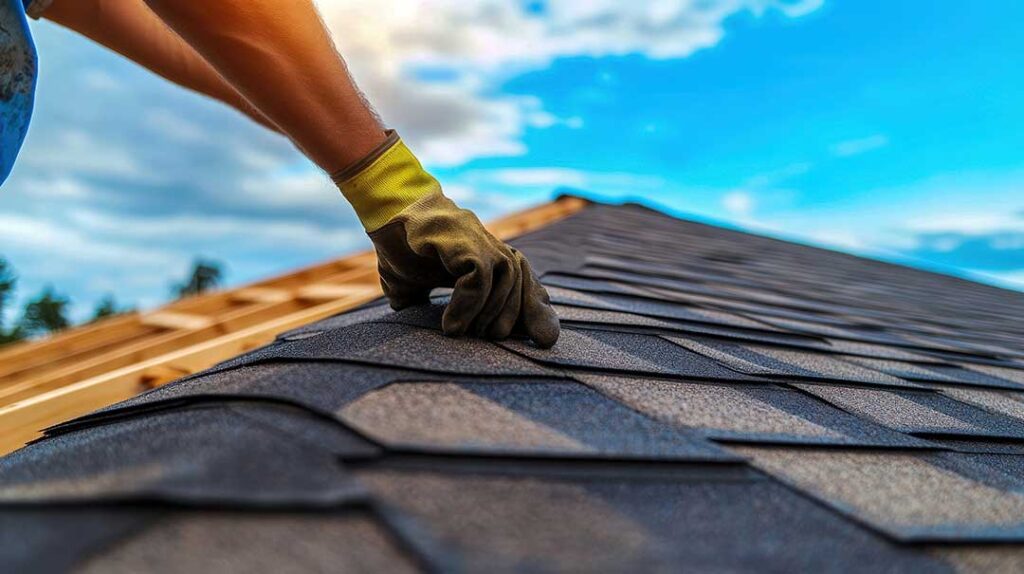
Roof decking is the structural surface installed over a home’s rafters or trusses and beneath the underlayment and shingles. It creates the base for the roof covering, helps distribute weight, and contributes to the roof’s ability to resist snow, wind, moisture, and everyday movement.
For homeowners in Ithaca, NY, understanding the condition of this hidden layer can make roof maintenance decisions easier. A roof may appear sound from the ground while the decking underneath has softened, split, or developed areas of deterioration.
What is roof decking?
Roof decking, also called roof sheathing, is the layer of panels or boards attached to the roof’s framing. Modern homes commonly use wood structural panels, while older homes may have closely spaced boards, sometimes called plank decking.
The decking performs several jobs:
- It provides a nailing surface for roofing materials.
- It spreads the weight of snow, workers, and roof equipment across the framing.
- It helps the roof maintain its shape.
- It supports underlayment and flashing details.
- It separates the living space from the exterior roof system.
Decking is not the same as underlayment or shingles. Shingles form the weather-exposed surface. Underlayment adds another moisture-resistant layer below the shingles. Decking is the structural layer beneath both.
What materials are used for roof decking?
Plywood and oriented strand board are the most common decking materials in newer construction. Both are manufactured as structural panels and are available in different thicknesses and grades.
Older houses may have individual wood boards rather than large panels. This type of decking can remain serviceable for many decades, but its condition depends on exposure to moisture, the spacing between boards, and whether the roof covering has been maintained properly.
The appropriate material depends on the roof design, framing layout, local building requirements, and the condition of the existing structure. A patch may be suitable in one area, while larger sections may require replacement to provide a continuous, stable surface.
How does roof decking become damaged?
Water is the most common cause of decking deterioration. A small roof leak can allow moisture to reach the sheathing repeatedly, even when the leak is not obvious inside the home.
Common causes include:
- Damaged or aging shingles
- Failed flashing around chimneys, walls, and roof openings
- Ice dams and repeated freeze-thaw conditions
- Blocked or poorly draining roof edges
- Condensation caused by inadequate attic ventilation
- Long-term exposure after storm damage
- Improperly sealed roof penetrations
In Ithaca, changing seasons can place stress on the entire roof assembly. Snow, rain, ice, and repeated temperature swings may expose weak areas over time. A roof does not need to experience one dramatic event to develop decking problems; slow moisture entry can be equally damaging.
What are the signs of damaged decking?
Some signs are visible from the attic, while others appear on the roof surface or inside the home. Warning signs may include:
- Dark stains or water marks on the underside of the decking
- Soft, crumbly, or swollen wood
- A sagging area between rafters or trusses
- Musty odors in the attic
- Visible mold-like growth caused by persistent dampness
- Roof surfaces that appear wavy or uneven
- Nails that no longer hold securely
- Ceiling stains or damp insulation beneath a roof section
A soft spot in the attic does not always mean the entire roof needs replacement. Damage may be limited to one area near a flashing detail or roof penetration. The extent can only be determined through careful inspection of the decking, framing, insulation, and roof covering.
Does every roof replacement require new decking?
No. Roof decking does not automatically need to be replaced during every roof covering replacement. If the panels or boards are dry, structurally sound, properly attached, and able to hold roofing fasteners, they may remain in place.
Replacement becomes more likely when decking is:
- Rotting, delaminated, cracked, or badly split
- Swollen from repeated moisture exposure
- Sagging or structurally unstable
- Too damaged to hold nails
- Missing in areas that need a continuous surface
- Not compatible with the intended roofing installation
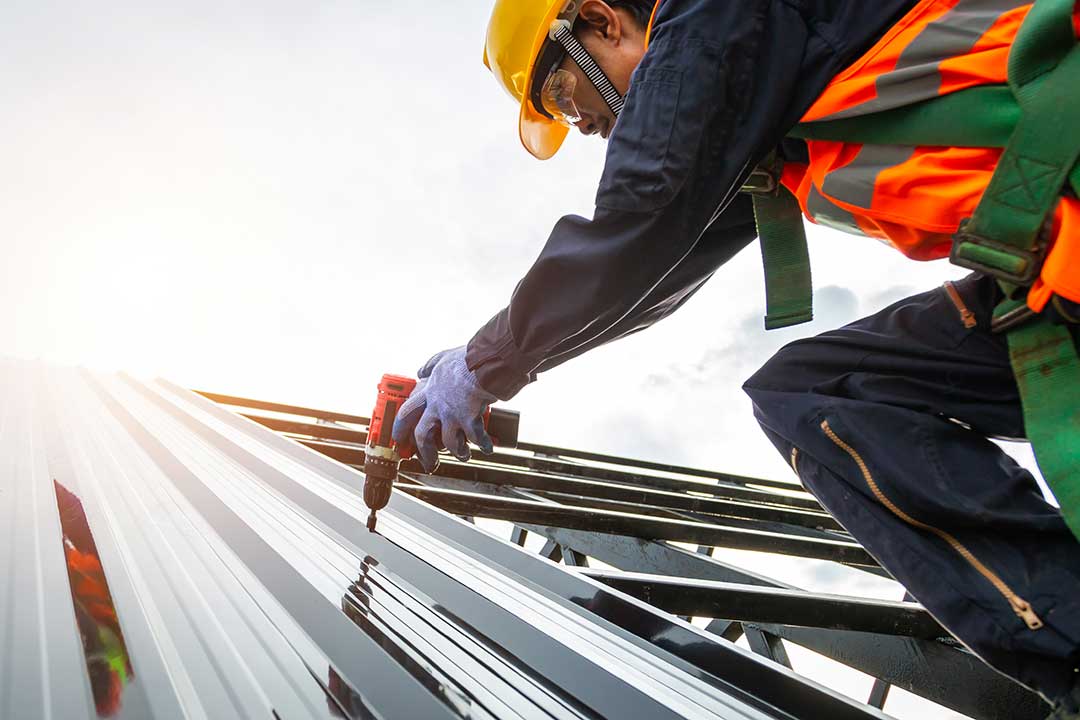
Removing the old roof covering is often the point at which concealed decking damage becomes easier to identify. Small repairs may involve replacing individual sections, while widespread deterioration may require more extensive work.
Can shingles be installed over damaged decking?
Roofing materials should not be installed over decking that cannot safely support them or hold fasteners. Shingles may look acceptable at first, but weak decking can lead to loose fasteners, surface irregularities, leaks, and premature failure.
Installing new materials over deteriorated sheathing can also hide an unresolved moisture problem. If the decking is wet, the roof assembly may continue to deteriorate after the new covering is installed.
A sound roof deck should be dry, securely fastened, reasonably flat, and strong enough to support the roofing system. The exact requirements depend on the roof design and applicable building standards.
How is roof decking inspected?
An inspection usually begins in the attic, where the underside of the decking can be viewed without removing the roof covering. Visible staining, mold-like growth, exposed fasteners, and areas of sagging may indicate trouble.
The roof surface may also be examined for dips, raised areas, soft spots, or patterns that suggest movement beneath the shingles. During replacement work, the decking is more directly evaluated after the existing roof covering is removed.
Inspection should also consider ventilation. Poor attic airflow can cause condensation on the underside of the decking, particularly during cold weather. This moisture may resemble a roof leak even when the exterior roof covering is intact.
Is roof decking part of the roof structure?
Roof decking is a structural component, but it is only one part of the roof’s structure. Rafters or trusses carry the primary loads, while decking helps distribute loads and stabilizes the roof plane.
Because decking works together with the framing, damage should not be judged by appearance alone. A small area of rot near a roof edge may be limited, while damage around a support point or large section may affect the roof’s overall stability.
Hazardous conditions, extensive sagging, active leaks near electrical wiring, or unsafe attic access require caution. Roof and attic inspections can involve fall hazards, sharp fasteners, poor air quality, and unstable surfaces.
How can homeowners help protect roof decking?
The most useful preventive steps are routine observation and moisture control. Homeowners can watch for ceiling stains, attic dampness, missing roof materials, blocked drainage paths, and changes in the roof’s appearance.
It also helps to:
- Keep roof drainage routes clear of leaves and debris.
- Check attic insulation for dampness or compression.
- Maintain reasonable attic ventilation without blocking airflow.
- Address visible roof damage before repeated weather exposure worsens it.
- Avoid storing heavy materials in the attic unless the framing is designed for that load.
- Inspect areas around chimneys, skylights, vents, and roof-to-wall transitions.
Roof decking is easy to overlook because it is normally hidden. Yet it supports nearly every layer above it. Understanding its purpose and warning signs helps residents distinguish between a cosmetic roof issue and a condition that may affect the roof’s structural performance.
